R. Bruce Elder – författare
Visar alla böcker från författaren R. Bruce Elder. Handla med fri frakt och snabb leverans.
5 produkter
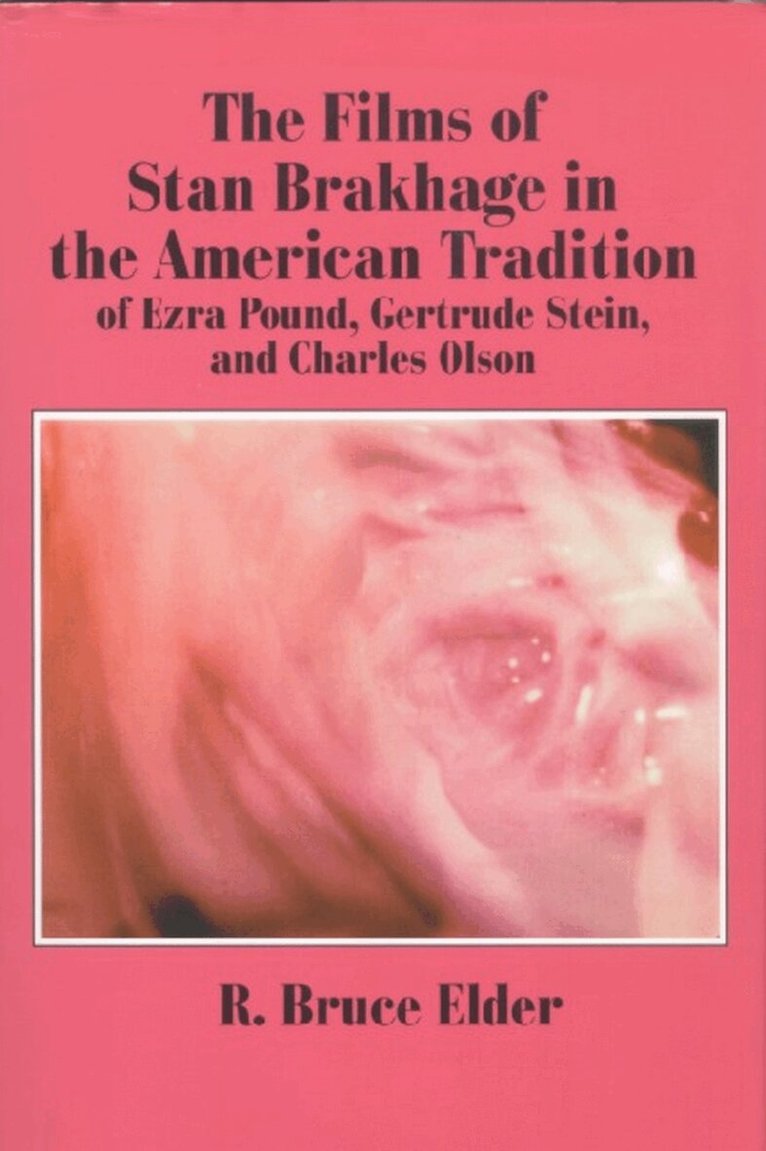
Films of Stan Brakhage in the American Tradition of Ezra Pound, Gertrude Stein and Charles Olson
Häftad, 2011
609 kr
Lägg i varukorg
Since the late 1950s Stan Brakhage has been in the forefront of independent filmmaking. His body of work - some seventy hours - is one of the largest of any filmmaker in the history of cinema, and one of the most diverse. Probably the most widely quoted experimental filmmaker in history, his films …
Image and Identity
Reflections on Canadian Film and Culture
Häftad, 2006
534 kr
Lägg i varukorg
What do images of the body, which recent poets and filmmakers have given us, tell us about ourselves, about the way we think and about the culture in which we live? In his new book A Body of Vision, R. Bruce Elder situates contemporary poetic and cinematic body images in their cultural context. …
DADA, Surrealism, and the Cinematic Effect
Inbunden, 2013
1031 kr
Lägg i varukorg
This book deals with the early intellectual reception of the cinema and the manner in which art theorists, philosophers, cultural theorists, and especially artists of the first decades of the twentieth century responded to its advent. While the idea persists that early writers on film were troubled …
Dada, Surrealism, and the Cinematic Effect
Häftad, 2015
564 kr
Lägg i varukorg
This book deals with the early intellectual reception of the cinema and the manner in which art theorists, philosophers, cultural theorists, and especially artists of the first decades of the twentieth century responded to its advent. While the idea persists that early writers on film were troubled …
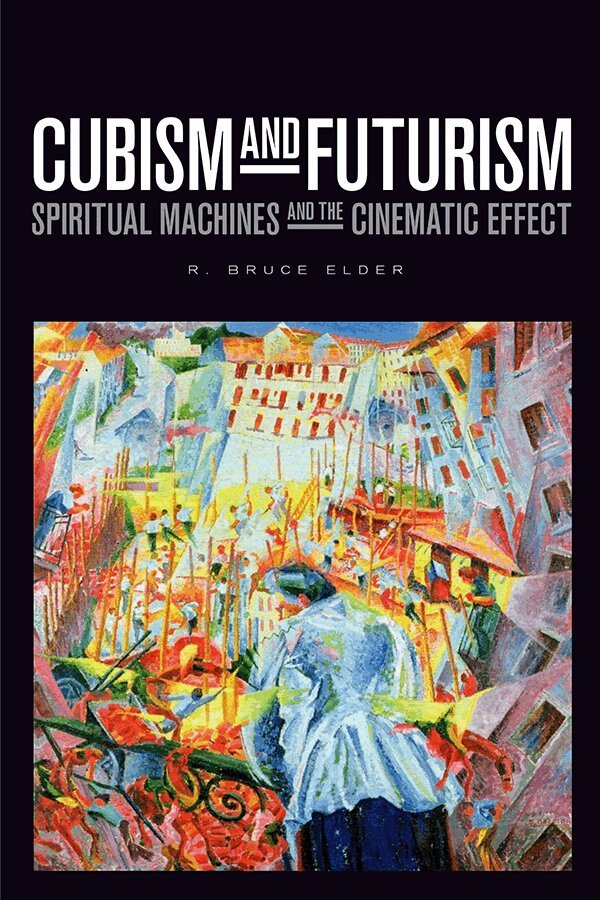
Cubism and Futurism
Spiritual Machines and the Cinematic Effect
Inbunden, 2018
1153 kr
Lägg i varukorg
Cubism and futurism were related movements that vied with each other in the economy of renown. Perception, dynamism, and the dynamism of perception - these issues passed back and forth between the two. Cubism and Futurism shows how movement became, in the traditional visual arts, a central factor …