R. James Ferguson – författare
Visar alla böcker från författaren R. James Ferguson. Handla med fri frakt och snabb leverans.
5 produkter
5 produkter
1 276 kr
Skickas inom 10-15 vardagar
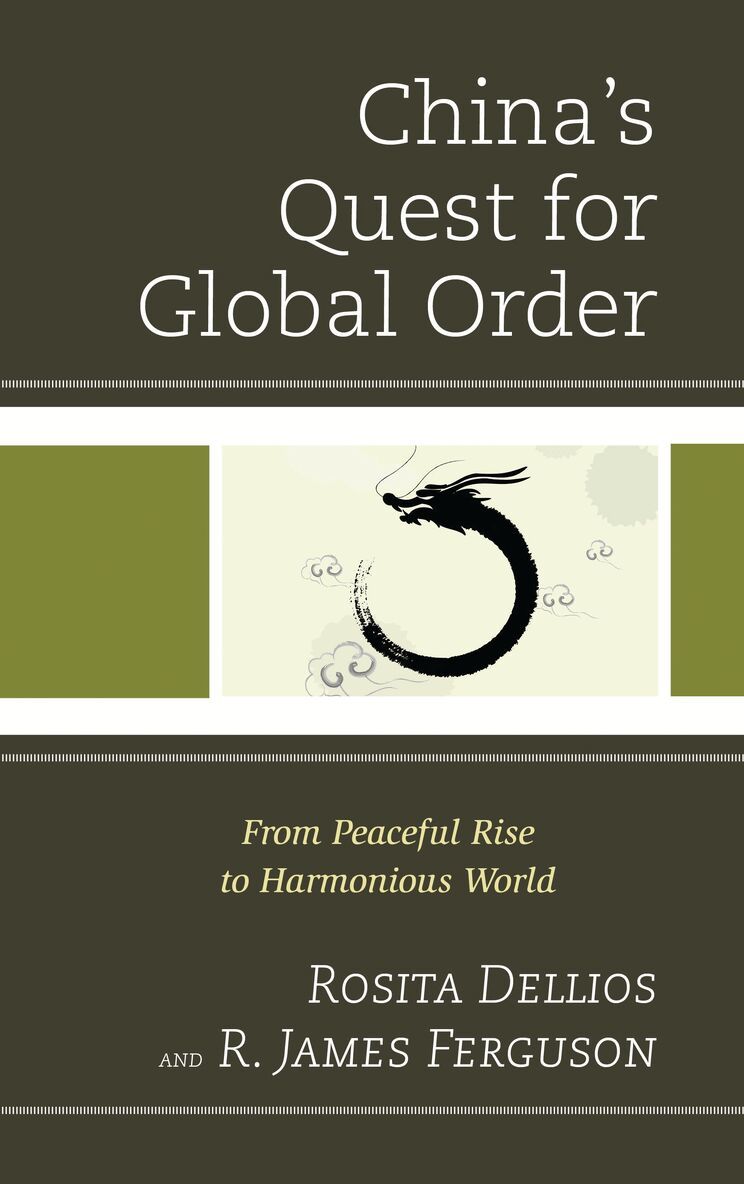
The “rise of China” has become a ubiquitous and often menacing term in global politics. China’s Quest for Global Order: From Peaceful Rise to Harmonious World, by Rosita Dellios, PhD, and R. James Ferguson, PhD, examines how China’s leadership has responded to this depiction and the strategic approaches that have been developed to ameliorate threat perceptions. Rather than simply reassuring others that its “rise” is peaceful, China has taken proactive steps to reduce possible conflicts. Beijing seeks to shape the emerging global governance order as both non-threatening to itself and productive in transnational problem-solving. Borrowing from its own Confucian heritage to promote a harmonious world policy, China’s contribution to world order is likely to be more robust than the “responsible stakeholder” epithet upon which the West has pinned its collective hopes. The book interprets China’s quest for global order from Chinese perspectives, old and new, and provides the relevant philosophical and historical background to engage the reader in the ensuing debates. The authors also contextualize Chinese concepts with those from contemporary international relations, strategic studies and systems thinking. Their resultant contributions to existing analyses include the notion of “Confucian geopolitics” and the interplay between strategic theatres of cooperation and protection.
1 476 kr
Skickas inom 10-15 vardagar
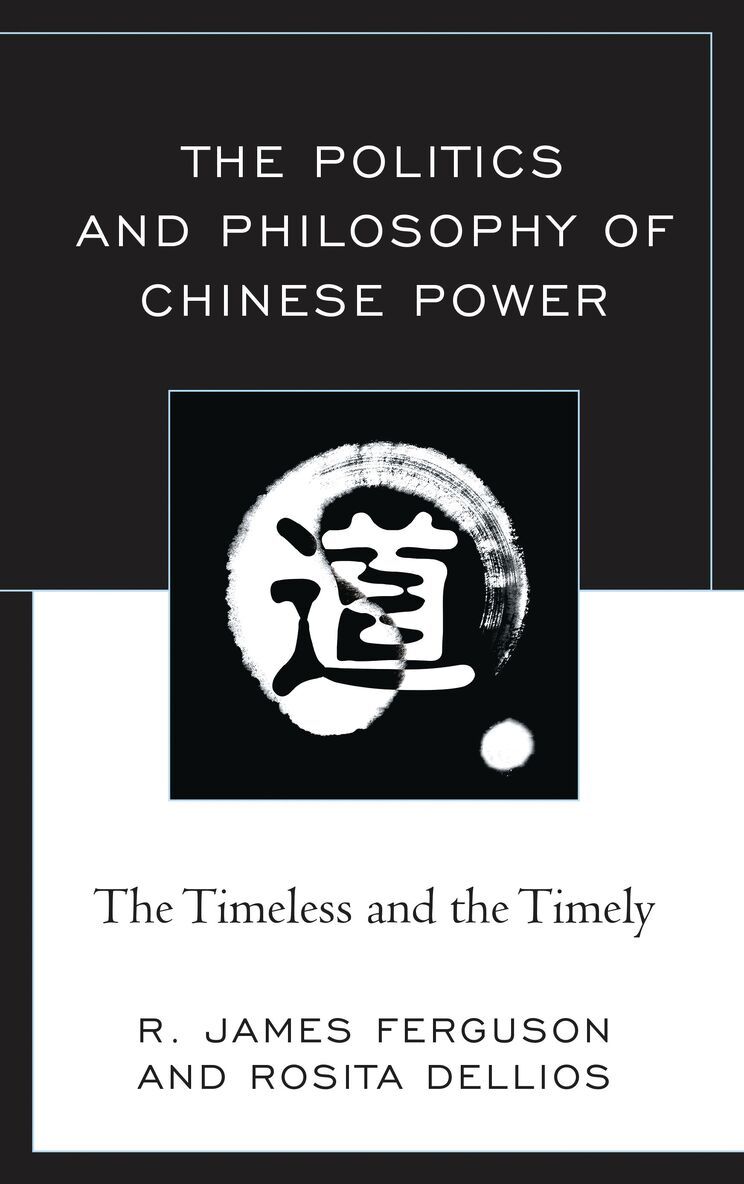
This book provides a timely analysis of the politics, philosophy, and history of Chinese power, focusing on social, strategic, and diplomatic trends that have shaped China for over three thousand years. Chinese elites have used the past to inform the present, but have also mobilized new ideas to address the country’s rapid transition to global power. China’s intellectual world can draw on a surprisingly pluralist legacy. When Chinese thinkers assess “power,” they bring to bear their classical legacy, the military classics, Chinese socialism, and Western political thought. There are also a number of intriguing formulations that give shape to the exercise of Chinese power. Among these are comprehensive national strength, stability preservation, soft power, asymmetric conflict, and counter-intervention strategies. This book looks at key periods in Chinese history when attitudes to power evolved and at their current expressions. These include China’s expanded use of think tanks to chart the future, efforts at creating an eco-civilization to balance growth, and an extended set of security and information capabilities. From observing the centrality of power in today’s international affairs, the book moves to the foundational concepts of Chinese governance: its belief in a strategic configuration of power—as understood in military contexts—as well as its growing diplomatic and maritime engagement abroad. This analysis culminates in new ideas of functional multipolarity. Power is also deployed internally: China’s use of nationalism as a major tool for state-building and cohesion, the ongoing role of socialism, and the People’s Liberation Army are all examined in this light. China’s current strategic culture has shaped President Xi Jinping’s search for a new model of power for China in the twenty-first century, an endeavor that will have serious implications for the future global order. This book provides an alternative perspective on China’s trajectory towards a revised international system.
581 kr
Skickas inom 10-15 vardagar
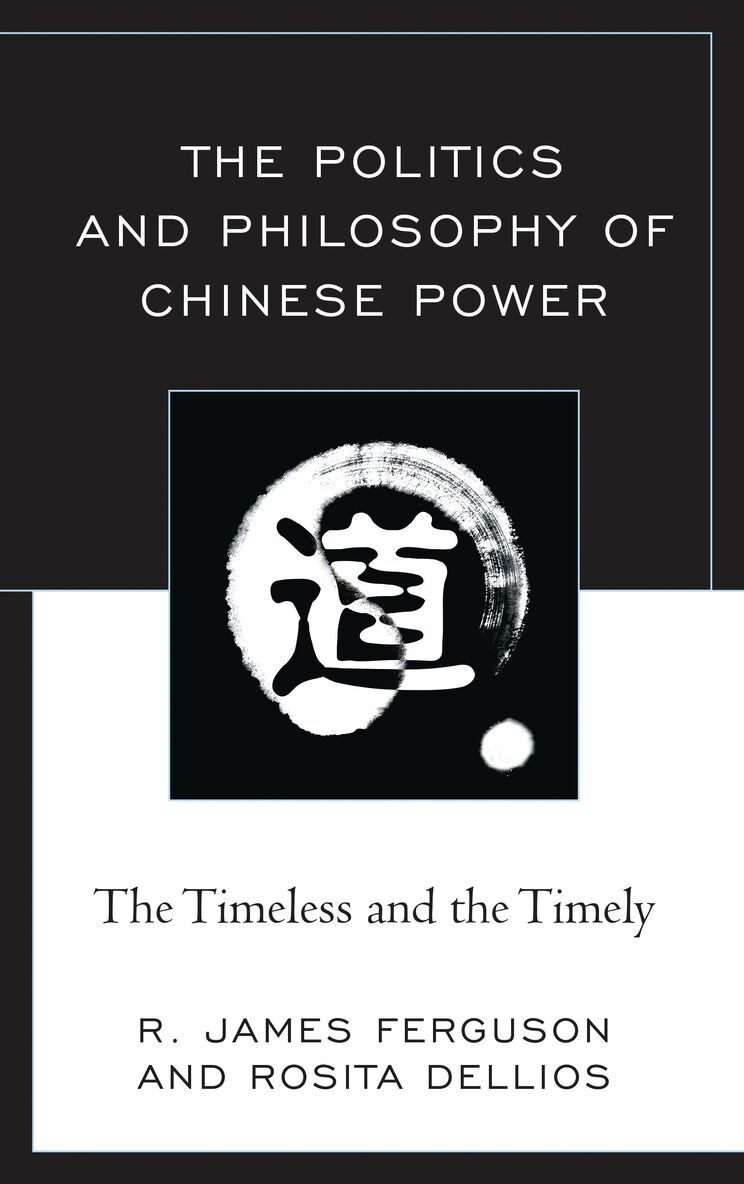
This book provides a timely analysis of the politics, philosophy, and history of Chinese power, focusing on social, strategic, and diplomatic trends that have shaped China for over three thousand years. Chinese elites have used the past to inform the present, but have also mobilized new ideas to address the country’s rapid transition to global power. China’s intellectual world can draw on a surprisingly pluralist legacy. When Chinese thinkers assess “power,” they bring to bear their classical legacy, the military classics, Chinese socialism, and Western political thought. There are also a number of intriguing formulations that give shape to the exercise of Chinese power. Among these are comprehensive national strength, stability preservation, soft power, asymmetric conflict, and counter-intervention strategies. This book looks at key periods in Chinese history when attitudes to power evolved and at their current expressions. These include China’s expanded use of think tanks to chart the future, efforts at creating an eco-civilization to balance growth, and an extended set of security and information capabilities. From observing the centrality of power in today’s international affairs, the book moves to the foundational concepts of Chinese governance: its belief in a strategic configuration of power—as understood in military contexts—as well as its growing diplomatic and maritime engagement abroad. This analysis culminates in new ideas of functional multipolarity. Power is also deployed internally: China’s use of nationalism as a major tool for state-building and cohesion, the ongoing role of socialism, and the People’s Liberation Army are all examined in this light. China’s current strategic culture has shaped President Xi Jinping’s search for a new model of power for China in the twenty-first century, an endeavor that will have serious implications for the future global order. This book provides an alternative perspective on China’s trajectory towards a revised international system.
1 276 kr
Skickas inom 10-15 vardagar
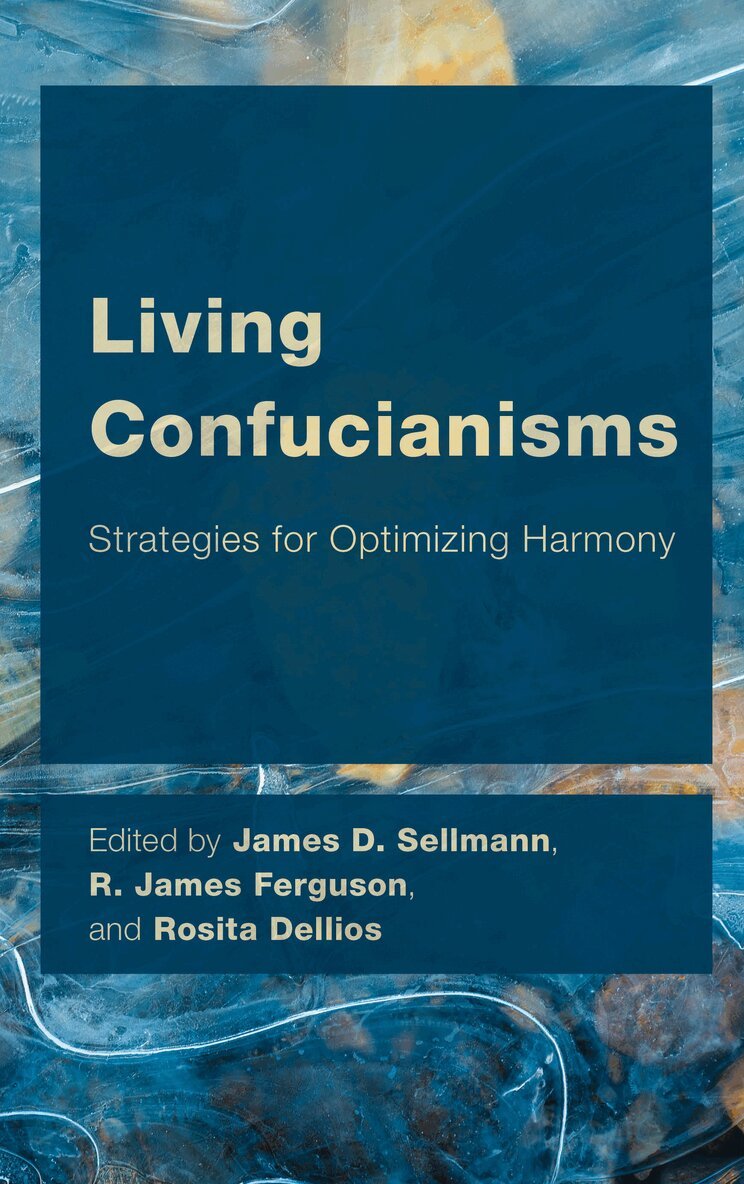
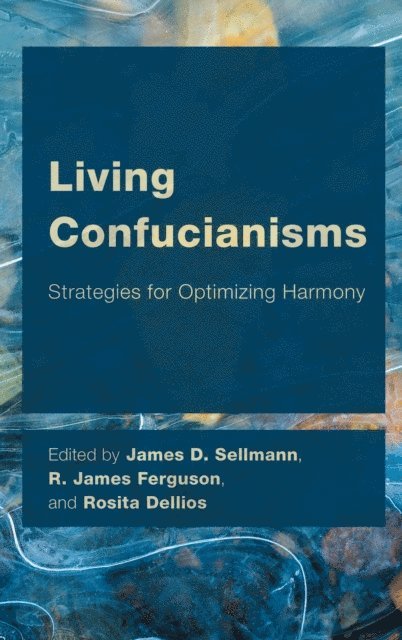
For over two thousand years, Confucianism has built up sophisticated approaches exploring social, political, and environmental harmony. As a valuable cultural resource and one of the main drivers of societal norms across much of East Asia, Confucian philosophy has been going through a global academic revival over the last three decades. It has insights that can help us reflect on the root causes of, and remedies for, disorder in the 21st century, and can build bridges of dialogue across alternative philosophical, political, diplomatic, educational, and religious systems. This volume presents diverse ‘Confucianisms’ as hybrid, evolving traditions that have been indigenized and creatively interpreted to support human fulfilment, using the vast cultural resources of the past to meet the needs of the present and the future.Living Confucianisms: Strategies for Optimizing Harmony explores contemporary harmony from a wide range of perspectives across philosophy, religion, politics, linguistics, diplomacy, international relations and education, with writers from numerous cultural and national backgrounds.
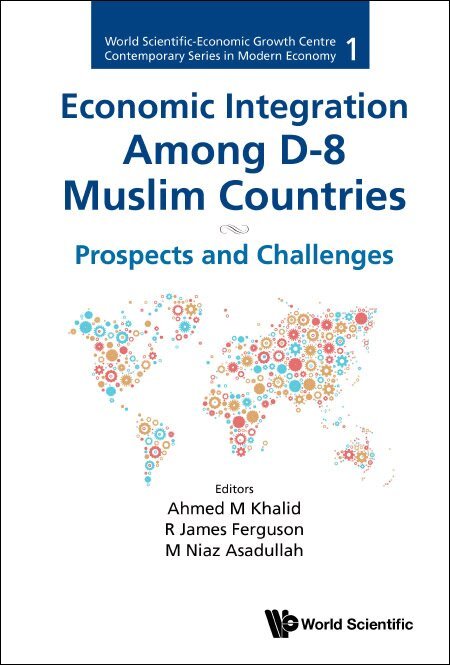
Del 1 - World Scientific-economic Growth Centre Contemporary Series In Modern Economy
Economic Integration Among D-8 Muslim Countries: Prospects And Challenges
Inbunden, Engelska, 2023
1 987 kr
Skickas inom 3-6 vardagar
The D-8 (Developing Eight) organisation was officially formed in 1997 and has Bangladesh, Egypt, Indonesia, Iran, Malaysia, Nigeria, Pakistan and Turkey as full members. The D-8 economies encompass nearly 62% of the Muslim population or about 1.17 billion people globally. The economic, cultural, social, political and geographical diversity that exists amongst the D-8 member countries differs radically from other Muslim or regional blocks. Furthermore, D-8 member countries are developing economies that do not solely rely on oil, ancient civilizations, or roles as historical powerhouses, but their populations aspire to be better educated, scientifically more advanced, have higher incomes and improved human rights. It is imperative to study the implications of these developments for cultural identity and life quality. This book studies the contemporary socio-economic developments and challenges faced by D-8 countries. It explores questions on the socio-economic and political formation, sustainability, economic participation, and the vitality of the D-8 member countries. It deepens our understanding of recent global economic systems and governance, and suggests areas for future research and publications.