R. Kirkwood - Böcker
Visar alla böcker från författaren R. Kirkwood. Handla med fri frakt och snabb leverans.
4 produkter
4 produkter
1 589 kr
Skickas inom 10-15 vardagar
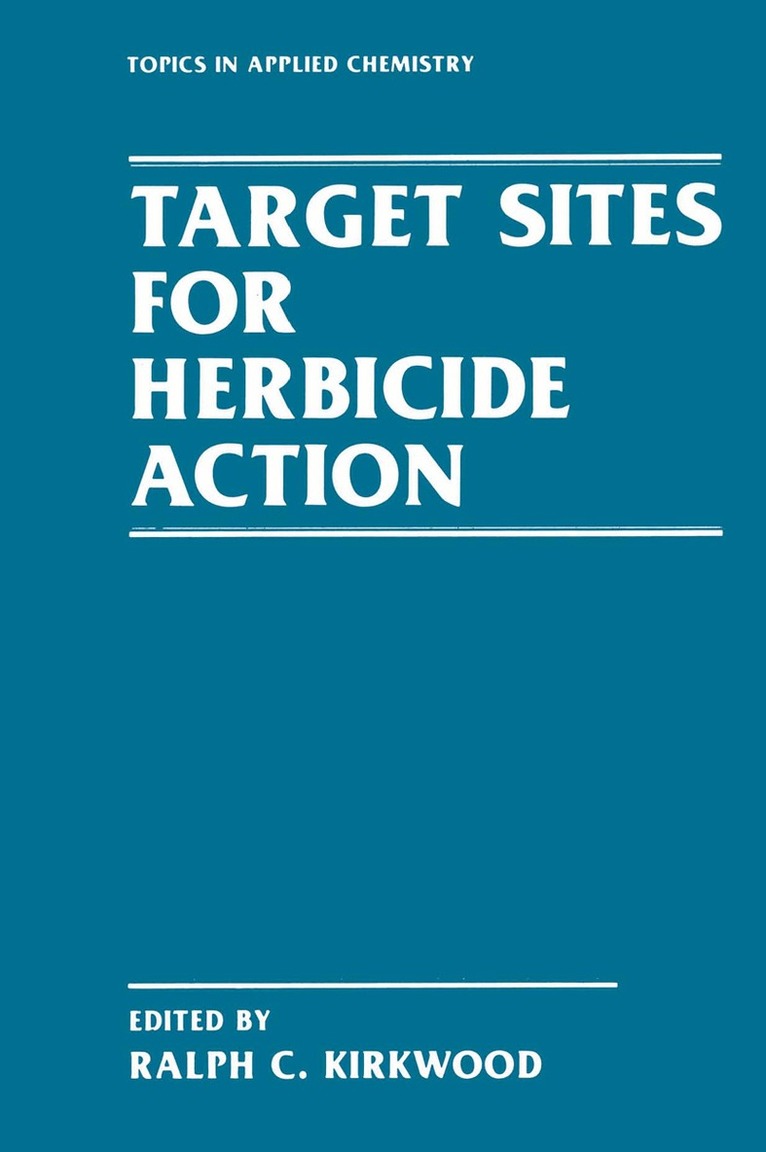
The development of chemicals to selectively control the growth of weeds has been a fascinating success story which has unfolded largely during the last four decades. The dramatic growth of herbicide research that followed the wartime discoveries of the auxin-type herbicides (phenoxyalkanoic acids) resulted in a whole range of compounds and mixtures which are used to eliminate broad-or narrow-leaved weeds from agricultural, horticul tural, or forestry crops. Today, the safe use of this armament of compounds requires our understanding of their mode of action, metabolism, and environmental persistence. The most recently developed herbicides are highly effective inhibitors of specific enzyme systems, and formulation may be an important factor determining their efficient delivery at specific target sites. In this book, the major target sites of herbicide action are discussed in Chapters 1-5, with particular reference to photosynthesis; amino acid, lipid, and carotenoid synthesis; and other primary target sites. The effects of synergists or antagonists as modifiers of herbicide action are described in Chapter 6. The importance of efficient target site delivery as a fundamental factor in herbicide activity and selectivity is generally recognized. Delivery of a potentially lethal dose of active ingredient may depend on a whole range of factors including the efficiency of application, retention, absorption, translocation, immobilization, and detoxification. These aspects are con sidered in the remaining chapters, with particular reference to the pathways and mechanisms involved in the uptake, translocation, and metabolism of soil-and foliage-applied herbicides.
2 117 kr
Skickas inom 10-15 vardagar
This book describes the concept of "clean technology" as an approach for protecting the environment by preventing pollution at source, minimising waste and reducing energy use. Early chapters review the general effects and economics of industrial pollution. Coverage then moves on to an examination of the issues and what is being done on a sector-by-sector basis. Surveys of clean methods of chemical synthesis, and the use and supply of clean energy complete the volume. Written primarily for industrial and environmental chemists, the book is also intended for those in academic and research institutions requiring up-to-date information and references on this strategically critical subject.
1 589 kr
Skickas inom 10-15 vardagar
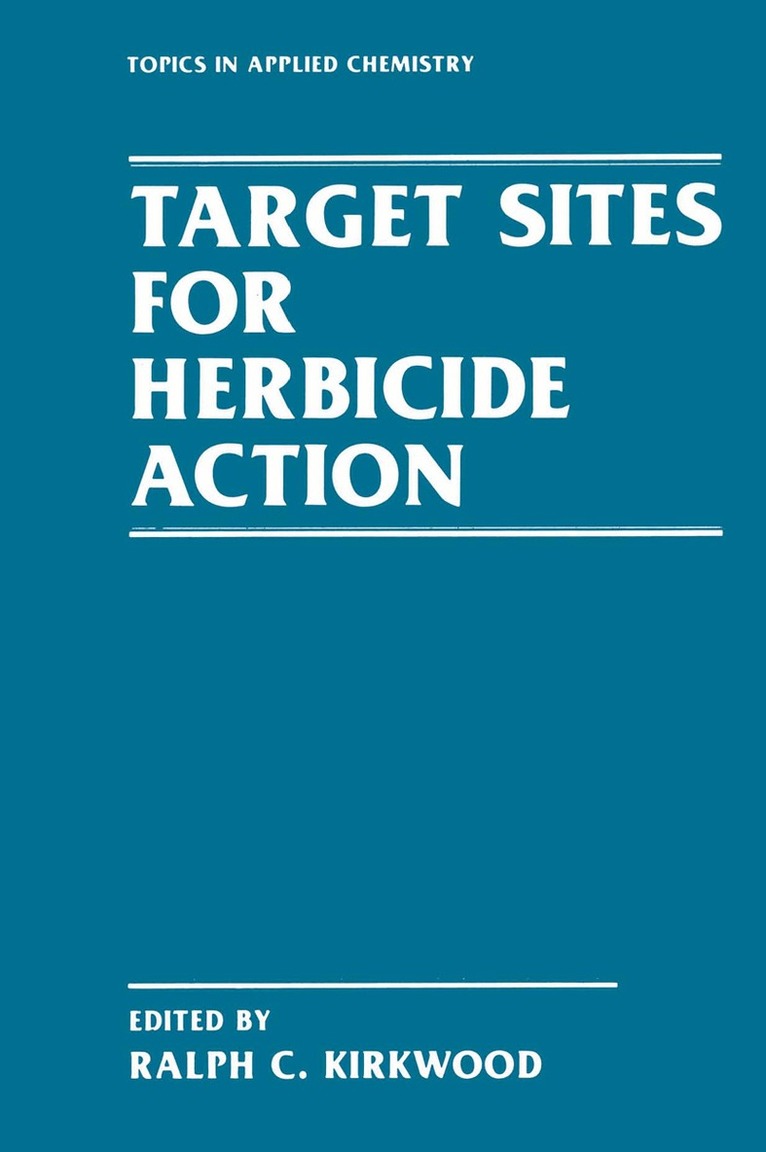
The development of chemicals to selectively control the growth of weeds has been a fascinating success story which has unfolded largely during the last four decades. The dramatic growth of herbicide research that followed the wartime discoveries of the auxin-type herbicides (phenoxyalkanoic acids) resulted in a whole range of compounds and mixtures which are used to eliminate broad-or narrow-leaved weeds from agricultural, horticul tural, or forestry crops. Today, the safe use of this armament of compounds requires our understanding of their mode of action, metabolism, and environmental persistence. The most recently developed herbicides are highly effective inhibitors of specific enzyme systems, and formulation may be an important factor determining their efficient delivery at specific target sites. In this book, the major target sites of herbicide action are discussed in Chapters 1-5, with particular reference to photosynthesis; amino acid, lipid, and carotenoid synthesis; and other primary target sites. The effects of synergists or antagonists as modifiers of herbicide action are described in Chapter 6. The importance of efficient target site delivery as a fundamental factor in herbicide activity and selectivity is generally recognized. Delivery of a potentially lethal dose of active ingredient may depend on a whole range of factors including the efficiency of application, retention, absorption, translocation, immobilization, and detoxification. These aspects are con sidered in the remaining chapters, with particular reference to the pathways and mechanisms involved in the uptake, translocation, and metabolism of soil-and foliage-applied herbicides.
2 328 kr
Skickas inom 10-15 vardagar
Many environmental problems resulting from atmospheric, land and water pollution are now widely understood. The combination of both improved technology and legislative pressure has led to a reduction in pollution from industrial practices in the West in recent years. However, sustainable development is dependent upon a new approach to environmental protection - clean technology. This book is in two parts. The first explores the ecological principles governing the function of ecosystems, sustain ability and biodiversity (Chapter 1) and the problems resulting from atmospheric pollution (Chapter 2), water pollution (Chapter 3) and land pollution (Chapter 4). For example, there is increasing international concern that the combustion of fossil fuels is leading to an increase in the levels of carbon, sulphur and nitrogen gases which pollute the atmosphere of our planet. The enhanced levels of carbon gases such as carbon dioxide may cause change in our global climate and, in tum, lead to flooding and loss of low-lying coastal regions. In addition, the deposition of sulphur and nitrogen oxides is believed to be the cause of 'acid rain' which has led to loss of fish stocks from upland lochs and damage to forestry plantations.