R. Tupas – författare
Visar alla böcker från författaren R. Tupas. Handla med fri frakt och snabb leverans.
6 produkter
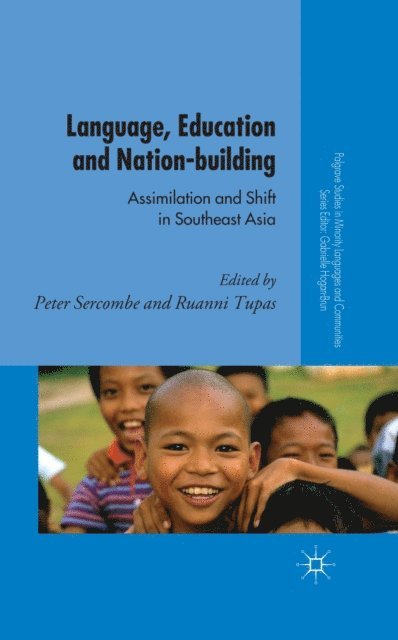
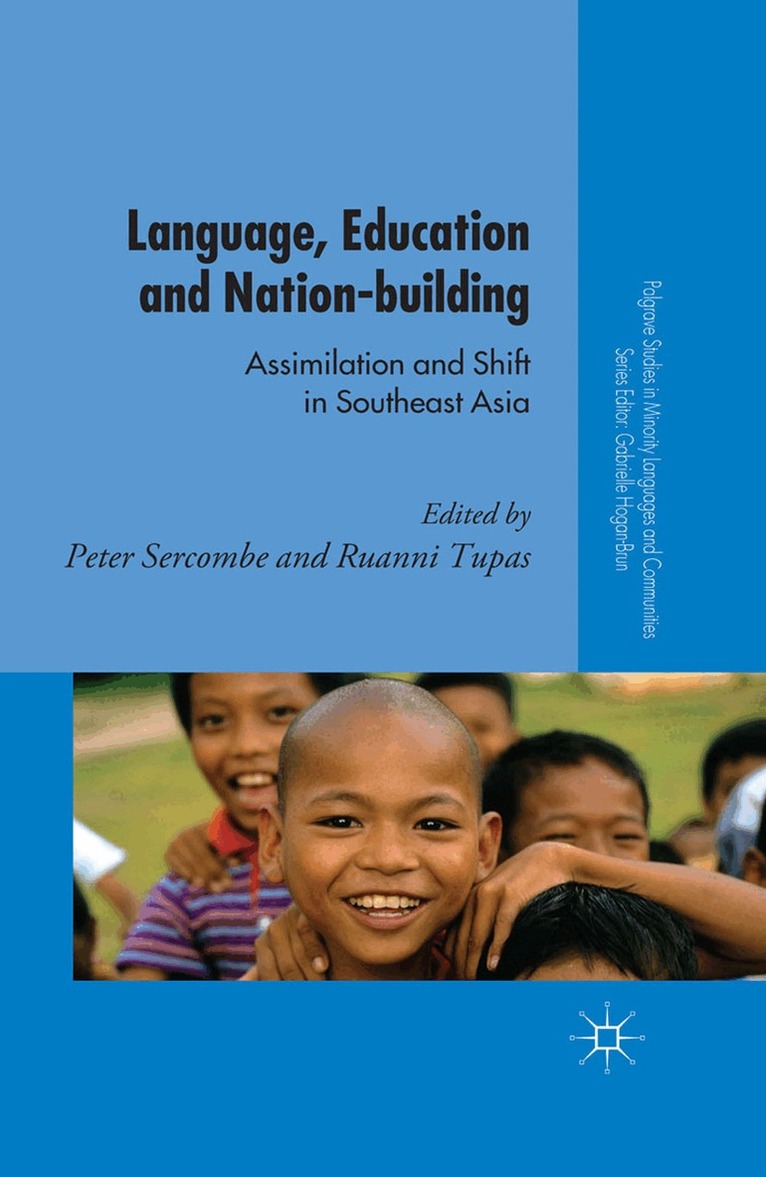
Language, Education and Nation-building
Assimilation and Shift in Southeast Asia
Av R. Tupas, P. Sercombe
E-bok, 2014
1744 kr
Lägg i varukorg
This volume tracks the complex relationships between language, education and nation-building in Southeast Asia, focusing on how language policies have been used by states and governments as instruments of control, assimilation and empowerment. Leading scholars have contributed chapters each …
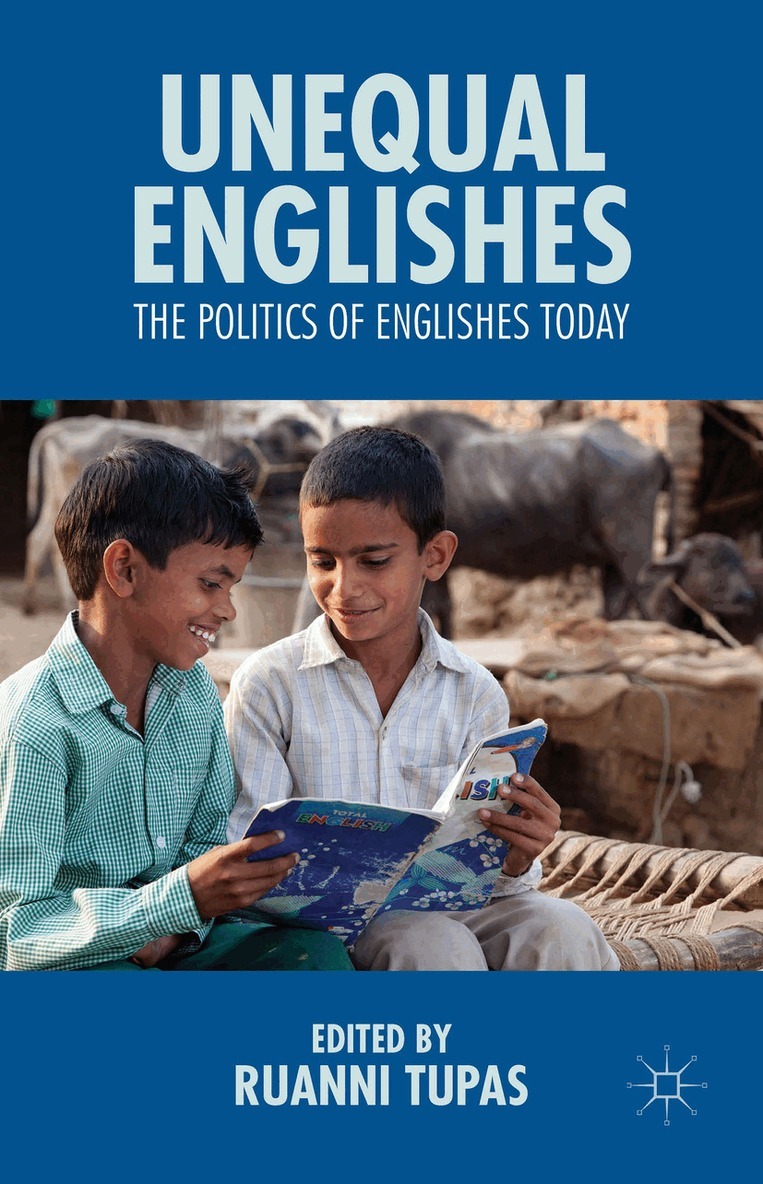
Unequal Englishes
The Politics of Englishes Today
Av R. Tupas
Inbunden, 2015
1017 kr
Lägg i varukorg
This book proposes, examines and unpacks the notion of unequal Englishes as a way to understand English today. Unlike many studies on the pluralization of English, the volume assumes that inequalities and Englishes are inextricably linked and must be understood and theorized together.
Unequal Englishes
The Politics of Englishes Today
Av R. Tupas
E-bok, 2015
981 kr
Lägg i varukorg
This book proposes, examines and unpacks the notion of unequal Englishes as a way to understand English today. Unlike many studies on the pluralization of English, the volume assumes that inequalities and Englishes are inextricably linked and must be understood and theorized together.
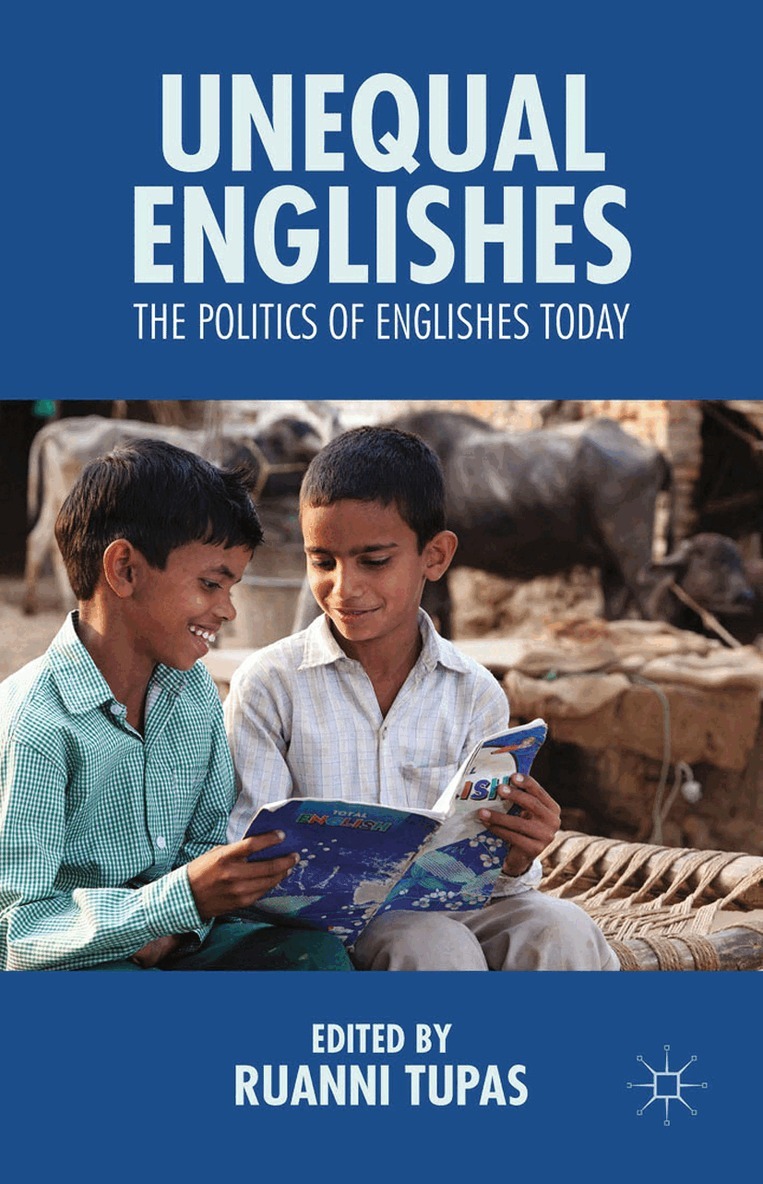
Unequal Englishes
The Politics of Englishes Today
Av R. Tupas
Häftad, 2015
735 kr
Lägg i varukorg
This book proposes, examines and unpacks the notion of unequal Englishes as a way to understand English today. Unlike many studies on the pluralization of English, the volume assumes that inequalities and Englishes are inextricably linked and must be understood and theorized together.
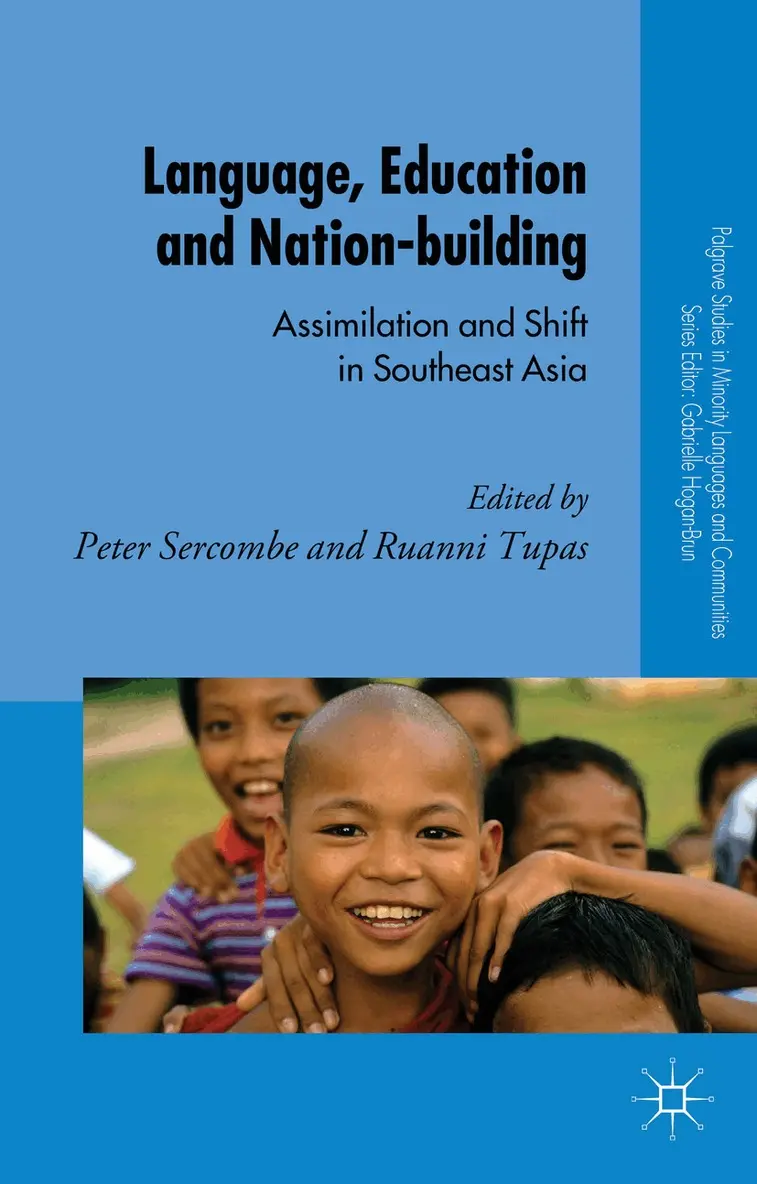
Language, Education and Nation-building
Assimilation and Shift in Southeast Asia
Av P. Sercombe, R. Tupas
Häftad, 2014
1258 kr
Lägg i varukorg
This volume tracks the complex relationships between language, education and nation-building in Southeast Asia, focusing on how language policies have been used by states and governments as instruments of control, assimilation and empowerment. Leading scholars have contributed chapters each …
Language, Education and Nation-building
Assimilation and Shift in Southeast Asia
Av Ruanni Tupas, P. Sercombe m. fl.
Inbunden, 2014
1063 kr
Lägg i varukorg
This volume tracks the complex relationships between language, education and nation-building in Southeast Asia, focusing on how language policies have been used by states and governments as instruments of control, assimilation and empowerment. Leading scholars have contributed chapters each …