Rachel Darnley Smith – författare
2 313 kr
Skickas inom 10-15 vardagar
569 kr
Skickas inom 10-15 vardagar
1 585 kr
Skickas inom 3-6 vardagar
`I found this a useful book in terms of its clarity and carefully thought out structure. It is a rich source of information and of ideas which are extremely important for the potential music therapy trainee to think about; it also makes valuable reading for more experienced therapists, bringing our minds back to some central questions about the nature of our work…. Whatever stage you may be at in your life as a music therapist, it will refresh your mind and your practice' - Eleanor Richards, Nordic Journal of Music Therapy
From the Foreword:
`Rachel Darnley-Smith and Helen M Patey have managed so well to tell their story of music therapy offering the framework of theory, training and professional practice, and the complimentary value of Analytical Music Therapy and Creative Music Therapy within improvization. The authors devote a whole chapter to promoting a wider understanding of improvisation, describing its value as a form of play, free association, with more or less structure depending on the form of intervention and the client's needs. There is really a valuable resource of meaningful and relevant examples from their own clinical work. These examples clearly validate and illustrate the seminal theoretical concept of the first great pioneer of music therapy in the United Kingdom, Juliette Alvin, who taught us that music is a creation of people, and therefore we can see people in their music' - Professor Tony Wigram
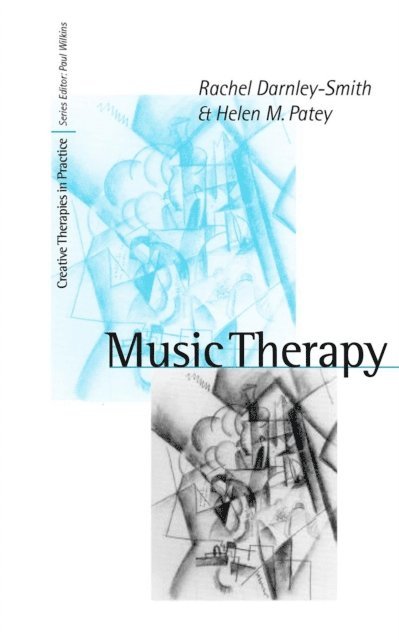
Music Therapy is an introduction to contemporary training and practice. Written in a clear, jargon-free style, the book provides a lively source of information and ideas for all who are new to music therapy.
Written by highly experienced practitioners, the book examines improvization, the principal method for music therapy, and points to the underlying assumptions about music, which shape this way of working. Two of the main music therapy approaches - Analytic Music Therapy and Nordoff- Robbins Music Therapy - are also outlined.
Drawing on their own experience, the authors examine a range of clinical situations and give examples of working with children and adults with a range of needs, including autism, learning disabilities and mental health problems. They highlight the many issues which arise from day-to-day practice and explore other aspects of professional life, such as personal therapy and supervision.
For anyone training or thinking of training to be a music therapist, this book provides an ideal place to start. As a guide to contemporary music therapy, it also has much to offer those already in practice.
652 kr
Läs direkt efter köp
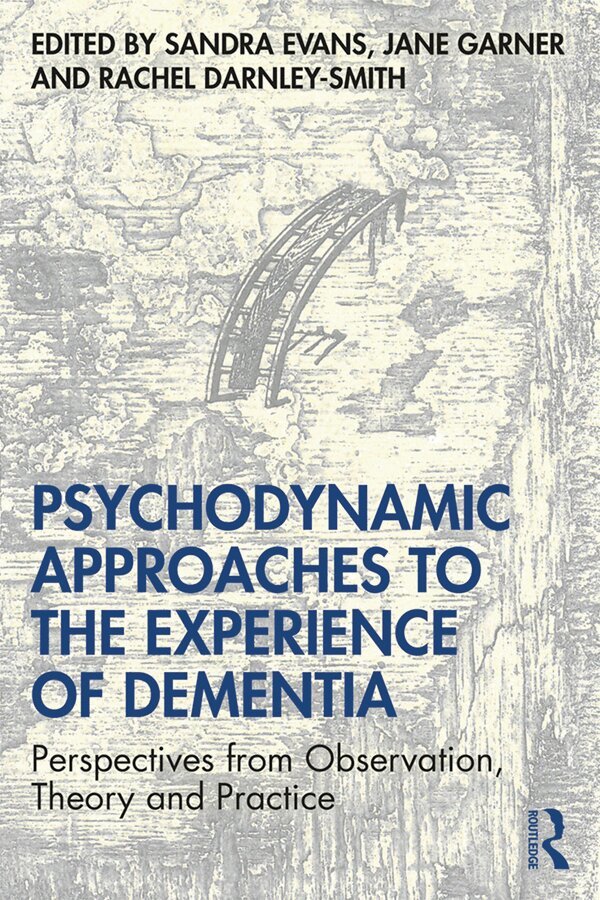
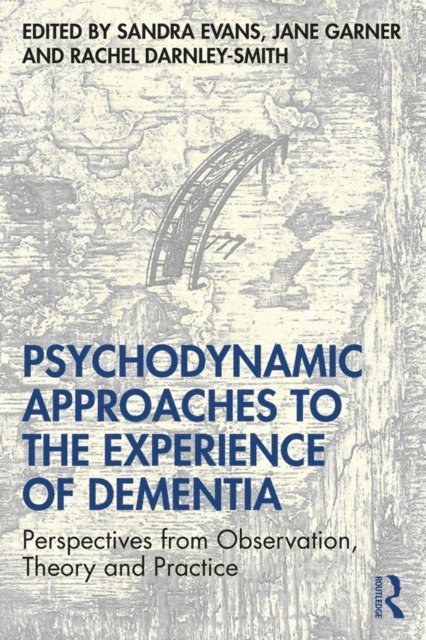
Psychodynamic Approaches to the Experience of Dementia: Perspectives from Observation, Theory and Practice demonstrates the impact of healthcare approaches that take into account not only the practical needs but also the emotional experience of the patient, their partners, families and friends, lay carers and professional staff.
Currently there is no cure for dementia, but the psychosocial and therapeutic approaches described in this volume have appeared to help people, both patients and carers, feel more contained and less lonely and isolated. Psychoanalytic theory provides a disciplined way of thinking about the internal world of an individual and their relationships. Each author provides their own commentary on the personal and interpersonal effects of dementia, endeavouring to understand behaviours and emotions which may otherwise seem incomprehensible. The subject is approached from a psychodynamic perspective, considering the unconscious, previous and current experiences and relationships, including those between patients and staff.
Psychodynamic Approaches to the Experience of Dementia illustrates the practical and theoretical thinking of clinicians from a wide range of disciplines who are engaged in the care of people in late life with a diagnosis of dementia. It will be essential reading for mental health and health professionals in practice and training in the field of dementia.
652 kr
Läs direkt efter köp
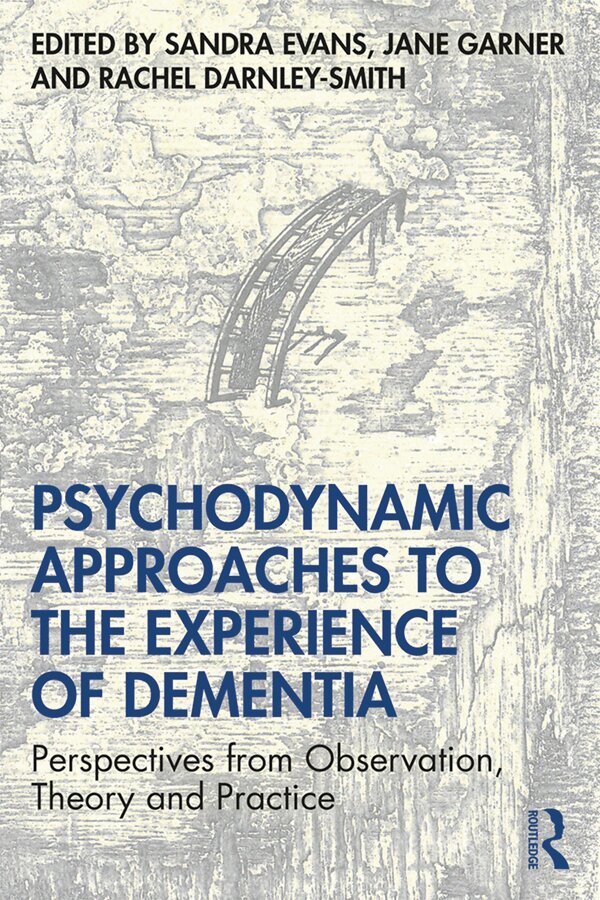
Psychodynamic Approaches to the Experience of Dementia: Perspectives from Observation, Theory and Practice demonstrates the impact of healthcare approaches that take into account not only the practical needs but also the emotional experience of the patient, their partners, families and friends, lay carers and professional staff.
Currently there is no cure for dementia, but the psychosocial and therapeutic approaches described in this volume have appeared to help people, both patients and carers, feel more contained and less lonely and isolated. Psychoanalytic theory provides a disciplined way of thinking about the internal world of an individual and their relationships. Each author provides their own commentary on the personal and interpersonal effects of dementia, endeavouring to understand behaviours and emotions which may otherwise seem incomprehensible. The subject is approached from a psychodynamic perspective, considering the unconscious, previous and current experiences and relationships, including those between patients and staff.
Psychodynamic Approaches to the Experience of Dementia illustrates the practical and theoretical thinking of clinicians from a wide range of disciplines who are engaged in the care of people in late life with a diagnosis of dementia. It will be essential reading for mental health and health professionals in practice and training in the field of dementia.
653 kr
Läs direkt efter köp
`I found this a useful book in terms of its clarity and carefully thought out structure. It is a rich source of information and of ideas which are extremely important for the potential music therapy trainee to think about; it also makes valuable reading for more experienced therapists, bringing our minds back to some central questions about the nature of our work…. Whatever stage you may be at in your life as a music therapist, it will refresh your mind and your practice′ - Eleanor Richards, Nordic Journal of Music Therapy
From the Foreword:
`Rachel Darnley-Smith and Helen M Patey have managed so well to tell their story of music therapy offering the framework of theory, training and professional practice, and the complimentary value of Analytical Music Therapy and Creative Music Therapy within improvization. The authors devote a whole chapter to promoting a wider understanding of improvisation, describing its value as a form of play, free association, with more or less structure depending on the form of intervention and the client′s needs. There is really a valuable resource of meaningful and relevant examples from their own clinical work. These examples clearly validate and illustrate the seminal theoretical concept of the first great pioneer of music therapy in the United Kingdom, Juliette Alvin, who taught us that music is a creation of people, and therefore we can see people in their music′ - Professor Tony Wigram
Music Therapy is an introduction to contemporary training and practice. Written in a clear, jargon-free style, the book provides a lively source of information and ideas for all who are new to music therapy.
Written by highly experienced practitioners, the book examines improvization, the principal method for music therapy, and points to the underlying assumptions about music, which shape this way of working. Two of the main music therapy approaches - Analytic Music Therapy and Nordoff- Robbins Music Therapy - are also outlined.
Drawing on their own experience, the authors examine a range of clinical situations and give examples of working with children and adults with a range of needs, including autism, learning disabilities and mental health problems. They highlight the many issues which arise from day-to-day practice and explore other aspects of professional life, such as personal therapy and supervision.
For anyone training or thinking of training to be a music therapist, this book provides an ideal place to start. As a guide to contemporary music therapy, it also has much to offer those already in practice.
770 kr
Skickas
`I found this a useful book in terms of its clarity and carefully thought out structure. It is a rich source of information and of ideas which are extremely important for the potential music therapy trainee to think about; it also makes valuable reading for more experienced therapists, bringing our minds back to some central questions about the nature of our work…. Whatever stage you may be at in your life as a music therapist, it will refresh your mind and your practice' - Eleanor Richards, Nordic Journal of Music Therapy
From the Foreword:
`Rachel Darnley-Smith and Helen M Patey have managed so well to tell their story of music therapy offering the framework of theory, training and professional practice, and the complimentary value of Analytical Music Therapy and Creative Music Therapy within improvization. The authors devote a whole chapter to promoting a wider understanding of improvisation, describing its value as a form of play, free association, with more or less structure depending on the form of intervention and the client's needs. There is really a valuable resource of meaningful and relevant examples from their own clinical work. These examples clearly validate and illustrate the seminal theoretical concept of the first great pioneer of music therapy in the United Kingdom, Juliette Alvin, who taught us that music is a creation of people, and therefore we can see people in their music' - Professor Tony Wigram
Music Therapy is an introduction to contemporary training and practice. Written in a clear, jargon-free style, the book provides a lively source of information and ideas for all who are new to music therapy.
Written by highly experienced practitioners, the book examines improvization, the principal method for music therapy, and points to the underlying assumptions about music, which shape this way of working. Two of the main music therapy approaches - Analytic Music Therapy and Nordoff- Robbins Music Therapy - are also outlined.
Drawing on their own experience, the authors examine a range of clinical situations and give examples of working with children and adults with a range of needs, including autism, learning disabilities and mental health problems. They highlight the many issues which arise from day-to-day practice and explore other aspects of professional life, such as personal therapy and supervision.
For anyone training or thinking of training to be a music therapist, this book provides an ideal place to start. As a guide to contemporary music therapy, it also has much to offer those already in practice.
2 120 kr
Tillfälligt slut
`I found this a useful book in terms of its clarity and carefully thought out structure. It is a rich source of information and of ideas which are extremely important for the potential music therapy trainee to think about; it also makes valuable reading for more experienced therapists, bringing our minds back to some central questions about the nature of our work…. Whatever stage you may be at in your life as a music therapist, it will refresh your mind and your practice' - Eleanor Richards, Nordic Journal of Music Therapy
From the Foreword:
`Rachel Darnley-Smith and Helen M Patey have managed so well to tell their story of music therapy offering the framework of theory, training and professional practice, and the complimentary value of Analytical Music Therapy and Creative Music Therapy within improvization. The authors devote a whole chapter to promoting a wider understanding of improvisation, describing its value as a form of play, free association, with more or less structure depending on the form of intervention and the client's needs. There is really a valuable resource of meaningful and relevant examples from their own clinical work. These examples clearly validate and illustrate the seminal theoretical concept of the first great pioneer of music therapy in the United Kingdom, Juliette Alvin, who taught us that music is a creation of people, and therefore we can see people in their music' - Professor Tony Wigram
Music Therapy is an introduction to contemporary training and practice. Written in a clear, jargon-free style, the book provides a lively source of information and ideas for all who are new to music therapy.
Written by highly experienced practitioners, the book examines improvization, the principal method for music therapy, and points to the underlying assumptions about music, which shape this way of working. Two of the main music therapy approaches - Analytic Music Therapy and Nordoff- Robbins Music Therapy - are also outlined.
Drawing on their own experience, the authors examine a range of clinical situations and give examples of working with children and adults with a range of needs, including autism, learning disabilities and mental health problems. They highlight the many issues which arise from day-to-day practice and explore other aspects of professional life, such as personal therapy and supervision.
For anyone training or thinking of training to be a music therapist, this book provides an ideal place to start. As a guide to contemporary music therapy, it also has much to offer those already in practice.