This book examines the operations of trafficking and other kinds of 'modern-day' slavery, from a gender perspective. It explores the relationships between gender, poverty, conflict and globalization that are driving today's slave trade. The authors provide an overview of what trafficking and slavery are, their magnitude, and their complexity.
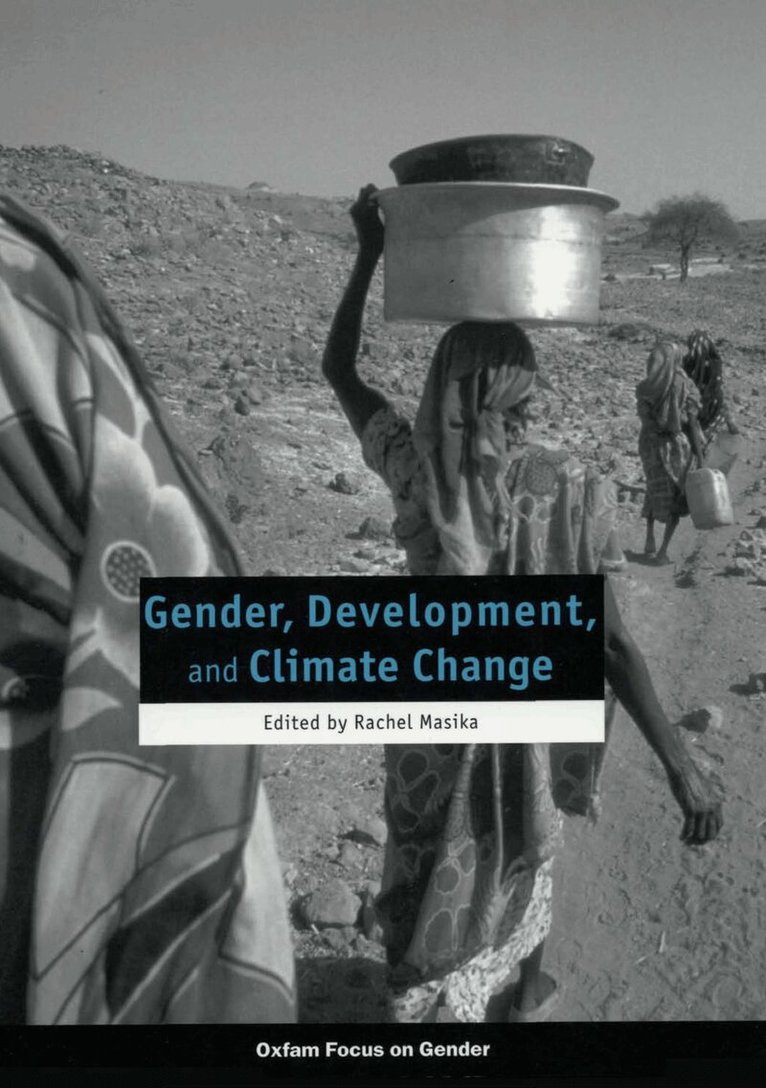
In the face of extreme weather events, desertification and a rise in the sea levels, governments and communities increasingly recognize that the need to adapt and mitigate to climate change is urgent. The global agenda and negotiations focus on what governments, corporations and institutions can do in the search for large-scale technological solutions. Yet women, men and local communities all have roles, responsibilities and interests that hold the potential either to harm or benefit the environment. This book considers the gendered dimensions of climate change. It shows how gender analysis has been widely overlooked in debates about climate change and its interactions with poverty and demonstrates its importance for those seeking to understand the impacts of global environmental change on human communities. Ranging in scope from high-level global decision-making to local communities, the contributors examine the potential impacts of environmental degradation and change on vulnerable groups. They highlight the different vulnerabilities, risks and coping strategies of poor women and men in the face of environmental degradation and increased livelihood insecurity. They show how good gender analysis at all levels of policy-making and implementation is essential in ensuring equitable outcomes for women and men and key to creating climate change policies that work for poor people as well as for the rich.
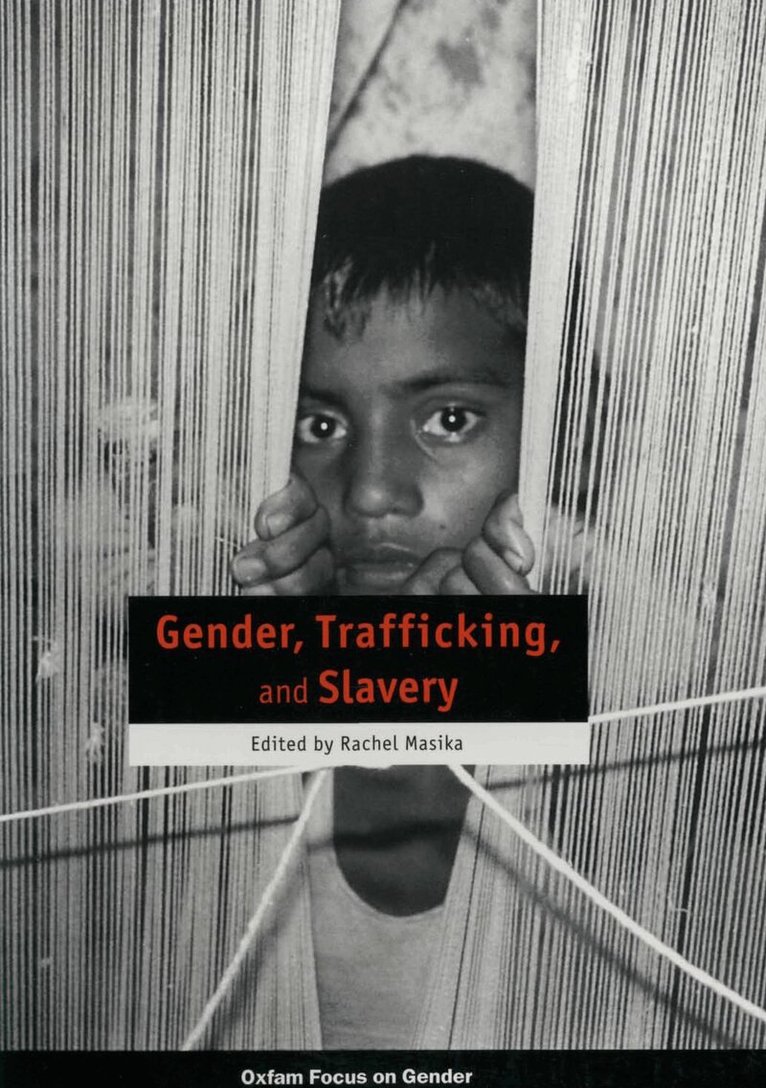
This book explores areas of human experience that are highly complex, and which evoke powerful and contradictory feelings amongst those attempting to understand them. Although many view the institution of slavery as a purely historical phenomenon, slavery remains widespread today. One aspect of modern slavery which elicits particular revulsion is the trafficking of women and young girls and boys into the sex industry and this is the focus of many of the authors of this book. This book examines the operations of trafficking and other kinds of ''modern-day'' slavery, from a gender perspective. It explores the relationships between gender, poverty, conflict and globalization that are driving today''s slave trade. The authors provide an overview of what trafficking and slavery are, their magnitude, and their complexity. They introduce the key debates, competing definitions, and conceptual divides within this controversial subject. In their search for solutions, the contributors expose the weaknesses in national and international legal frameworks intended to protect bonded workers and trafficked persons. They analyse and assess the attempts of development and human-rights organizations to support those at risk, to create alternative livelihood options for them and to help those who escape slavery to rebuild their lives.
This book examines the operations of trafficking and other kinds of 'modern-day' slavery, from a gender perspective. It explores the relationships between gender, poverty, conflict and globalization that are driving today's slave trade. The authors provide an overview of what trafficking and slavery are, their magnitude, and their complexity.
In the face of extreme weather events, desertification and a rise in the sea levels, governments and communities increasingly recognize that the need to adapt and mitigate to climate change is urgent. The global agenda and negotiations focus on what governments, corporations and institutions can do in the search for large-scale technological solutions. Yet women, men and local communities all have roles, responsibilities and interests that hold the potential either to harm or benefit the environment. This book considers the gendered dimensions of climate change. It shows how gender analysis has been widely overlooked in debates about climate change and its interactions with poverty and demonstrates its importance for those seeking to understand the impacts of global environmental change on human communities. Ranging in scope from high-level global decision-making to local communities, the contributors examine the potential impacts of environmental degradation and change on vulnerable groups. They highlight the different vulnerabilities, risks and coping strategies of poor women and men in the face of environmental degradation and increased livelihood insecurity. They show how good gender analysis at all levels of policy-making and implementation is essential in ensuring equitable outcomes for women and men and key to creating climate change policies that work for poor people as well as for the rich.
This book explores areas of human experience that are highly complex, and which evoke powerful and contradictory feelings amongst those attempting to understand them. Although many view the institution of slavery as a purely historical phenomenon, slavery remains widespread today. One aspect of modern slavery which elicits particular revulsion is the trafficking of women and young girls and boys into the sex industry and this is the focus of many of the authors of this book. This book examines the operations of trafficking and other kinds of ''modern-day'' slavery, from a gender perspective. It explores the relationships between gender, poverty, conflict and globalization that are driving today''s slave trade. The authors provide an overview of what trafficking and slavery are, their magnitude, and their complexity. They introduce the key debates, competing definitions, and conceptual divides within this controversial subject. In their search for solutions, the contributors expose the weaknesses in national and international legal frameworks intended to protect bonded workers and trafficked persons. They analyse and assess the attempts of development and human-rights organizations to support those at risk, to create alternative livelihood options for them and to help those who escape slavery to rebuild their lives.