Rachel Simon – författare
Visar alla böcker från författaren Rachel Simon. Handla med fri frakt och snabb leverans.
15 produkter
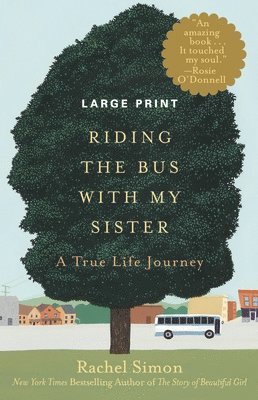
Riding the Bus with My Sister: A True Life Journey (Large type / large print)
Av Rachel Simon
Häftad, 2012
356 kr
Lägg i varukorg
Pickleball for All
Everything but the "e;Kitchen"e; Sink
Av Rachel Simon
E-bok, 2022
113 kr
Lägg i varukorg
An entertaining and comprehensive look at Americas fastest growing sport,Pickleball for Allis the ultimate primer for any level of player interested in the wacky history, unique rules, and exciting future of pickleball.Bainbridge Island, Washington State. On a sleepy summer vacation, three dads …
Pickleball For All
Everything but the ""Kitchen"" Sink
Av Rachel Simon
Ljudbok, 2022
164 kr
Lägg i varukorg
An entertaining and comprehensive look at the America’s fastest growing sport, Pickleball for All is the ultimate primer for any level of player interested in the wacky history, unique rules, and exciting future of pickleball. Bainbridge Island, Washington State. On a sleepy summer vacation, …
Change within Tradition among Jewish Women in Libya
Av Rachel Simon
Inbunden, 1992
983 kr
Lägg i varukorg
In the first major study of women in an Arab country’s Jewish community, Rachel Simon examines the changing status of Jewish women in Libya from the second half of the nineteenth century until 1967, when most Jews left the country. Simon shows how social, economic, and political changes in Libyan …
Change within Tradition among Jewish Women in Libya
Av Rachel Simon
E-bok, 2015
1070 kr
Lägg i varukorg
In the first major study of women in an Arab country’s Jewish community, Rachel Simon examines the changing status of Jewish women in Libya from the second half of the nineteenth century until 1967, when most Jews left the country. Simon shows how social, economic, and political changes in Libyan …
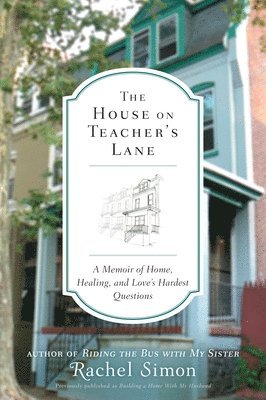
The House on Teacher's Lane: A Memoir of Home, Healing, and Love's Hardest Questions
Av Rachel Simon
Häftad, 2010
367 kr
Lägg i varukorg
House on Teacher's Lane
A Memoir of Home, Healing, and Love''s Hardest Questions
Av Rachel Simon
E-bok, 2010
240 kr
Lägg i varukorg
The bestselling author of Riding the Bus with My Sister shares an illuminating and beautifully woven memoir about the unexpected ways a home renovation can repair a heart. When Rachel Simon and her architect husband begin to renovate their house on Teacher''s Lane, she braces herself for the ups …
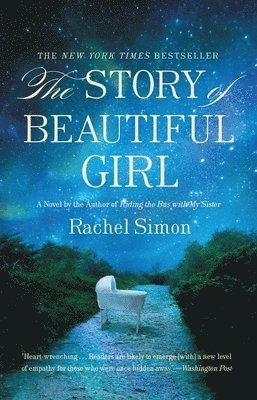
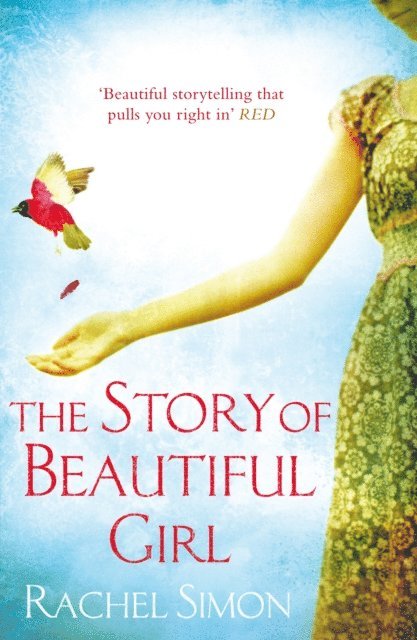
Story of Beautiful Girl
The beloved Richard and Judy Book Club pick
Av Rachel Simon
E-bok, 2011
102 kr
Lägg i varukorg
A RICHARD & JUDY BOOK CLUB PICKPennsylvania, 1968.'Hide her.'Two words that would change all of their lives - for ever.On a stormy night in small-town America, a couple, desperate and soaked to the skin, knock on a stranger's door. When Martha, a retired schoolteacher, answers their knock, her …
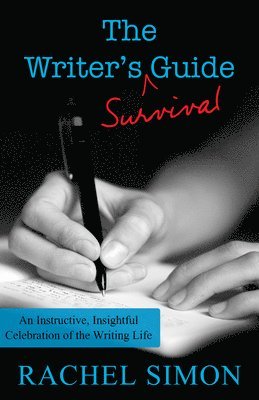
Writer's Survival Guide
An Instructive, Insightful Celebration of the Writing Life
Av Rachel Simon
Häftad, 2016
143 kr
Lägg i varukorg