Rachel Tingle – författare
Visar alla böcker från författaren Rachel Tingle. Handla med fri frakt och snabb leverans.
4 produkter
4 produkter
E-bok
PDF, Engelska, 201651 kr
Läs direkt efter köp
In the noise of the debate about the EU, it is rare for fundamental questions to be asked. For example, for what purposes should we have international institutions at all? Does the EU meet those purposes and, if not, is reform possible? This book considers these questions. An international team of renowned authors looks at each area of economic policy in which the EU has an interest, as well as at the governing structures of the EU, and asks what, if anything, the EU should be doing. In most cases, this is then compared with the status quo and against the possibility of Brexit in order to help the reader make a judgement, in each policy area, about which would be the best direction for Britain to take. As well as providing a fine contribution to the Brexit debate, the authors of this book provide a framework for evaluating the results of renegotiation together with a long-term programme for reform. The usefulness of this timely book will long outlive the referendum debate. The book asks – and answers – the fundamental questions that are rarely considered by the political classes.
E-bok
Engelska, 201651 kr
Läs direkt efter köp
In the noise of the debate about the EU, it is rare for fundamental questions to be asked. For example, for what purposes should we have international institutions at all? Does the EU meet those purposes and, if not, is reform possible? This book considers these questions. An international team of renowned authors looks at each area of economic policy in which the EU has an interest, as well as at the governing structures of the EU, and asks what, if anything, the EU should be doing. In most cases, this is then compared with the status quo and against the possibility of Brexit in order to help the reader make a judgement, in each policy area, about which would be the best direction for Britain to take. As well as providing a fine contribution to the Brexit debate, the authors of this book provide a framework for evaluating the results of renegotiation together with a long-term programme for reform. The usefulness of this timely book will long outlive the referendum debate. The book asks – and answers – the fundamental questions that are rarely considered by the political classes.
E-bok
PDF, Engelska, 201752 kr
Läs direkt efter köp
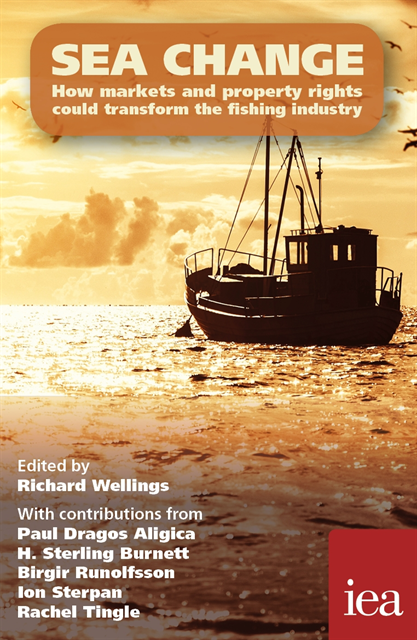
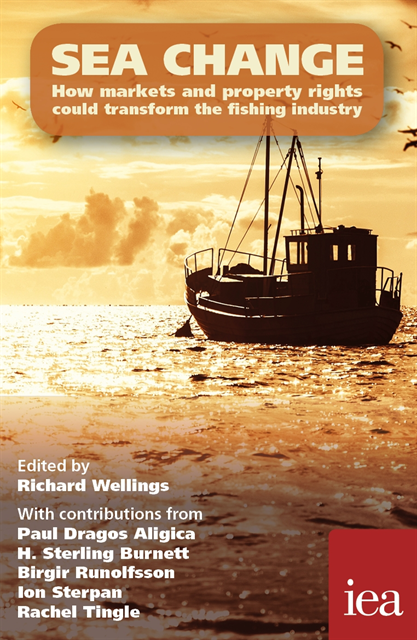
Government management of fisheries has been little short of disastrous. In many regions, valuable fish stocks have collapsed as a result of overfishing. Ill-conceived regulation also means that every year millions of tons of edible fish are thrown back dead into the sea. While an absence of established property rights means that wild fish are vulnerable to overfishing, the problem is greatly exacerbated by large subsidies. State intervention has created significant overcapacity in the industry and undermined the economic feedback mechanisms that help to protect stocks. This short book sets out a range of policy options to improve outcomes. As well as ending counterproductive subsidies, these include community-based management of coastal zones and the introduction of individual transferable quotas. The analysis is particularly relevant to the UK as it begins the process of withdrawal from the European Union. After decades of mismanagement under the Common Fisheries Policy, Brexit represents a major opportunity to adopt an economically rational approach that benefits the fishing industry, taxpayers and consumers.
E-bok
Engelska, 201752 kr
Läs direkt efter köp
Government management of fisheries has been little short of disastrous. In many regions, valuable fish stocks have collapsed as a result of overfishing. Ill-conceived regulation also means that every year millions of tons of edible fish are thrown back dead into the sea. While an absence of established property rights means that wild fish are vulnerable to overfishing, the problem is greatly exacerbated by large subsidies. State intervention has created significant overcapacity in the industry and undermined the economic feedback mechanisms that help to protect stocks. This short book sets out a range of policy options to improve outcomes. As well as ending counterproductive subsidies, these include community-based management of coastal zones and the introduction of individual transferable quotas. The analysis is particularly relevant to the UK as it begins the process of withdrawal from the European Union. After decades of mismanagement under the Common Fisheries Policy, Brexit represents a major opportunity to adopt an economically rational approach that benefits the fishing industry, taxpayers and consumers.