Rachit K. Saxena – författare
Visar alla böcker från författaren Rachit K. Saxena. Handla med fri frakt och snabb leverans.
6 produkter
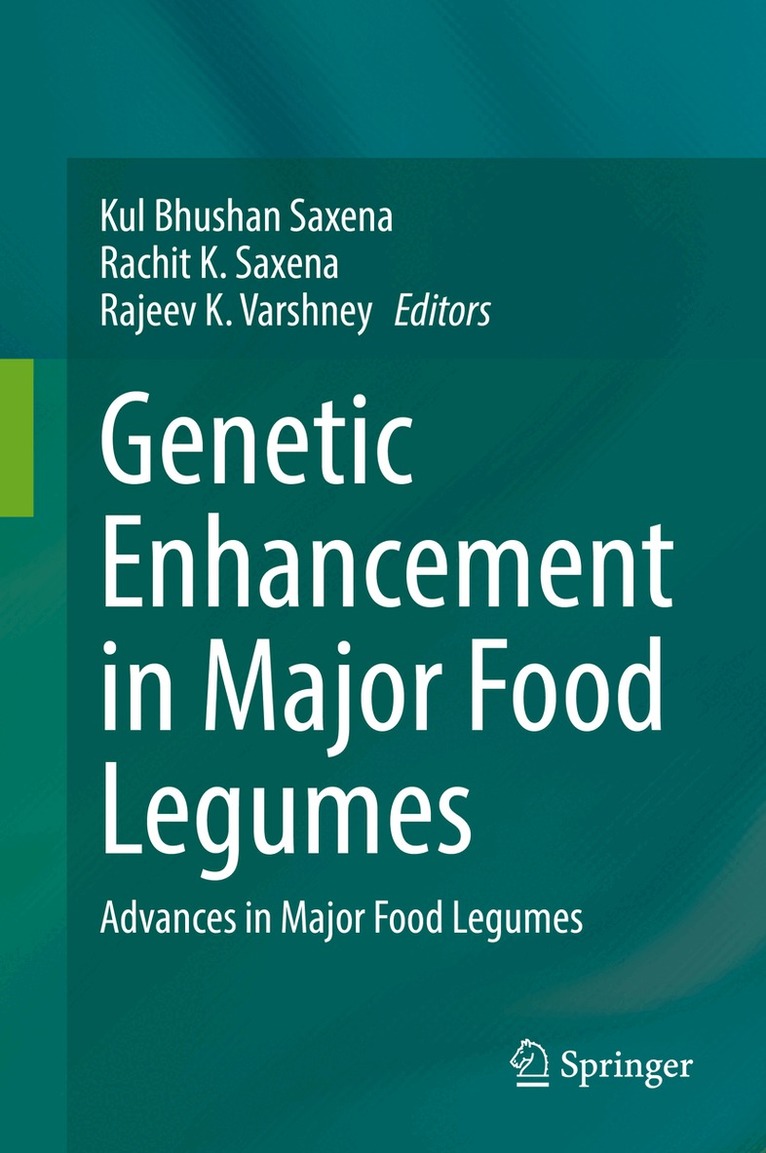
Genetic Enhancement in Major Food Legumes
Advances in Major Food Legumes
Av Kul Bhushan Saxena, Rachit K. Saxena m. fl.
Inbunden, 2021
1534 kr
Lägg i varukorg
The protein molecule is the basic building block of every living entity. Its deficiency leads to restricted growth and development of individuals. Globally, such malnutrition is on the rise due to various reasons such as rapid population growth, stagnation of productivity, and ever-rising costs. …
Genetic Enhancement in Major Food Legumes
Advances in Major Food Legumes
Av Rajeev K. Varshney, Rachit K. Saxena m. fl.
E-bok, 2021
1886 kr
Lägg i varukorg
The protein molecule is the basic building block of every living entity. Its deficiency leads to restricted growth and development of individuals. Globally, such malnutrition is on the rise due to various reasons such as rapid population growth, stagnation of productivity, and ever-rising costs. …
Genetic Enhancement in Major Food Legumes
Advances in Major Food Legumes
Av Kul Bhushan Saxena, Rachit K. Saxena m. fl.
Häftad, 2022
1534 kr
Lägg i varukorg
The protein molecule is the basic building block of every living entity. Its deficiency leads to restricted growth and development of individuals. Globally, such malnutrition is on the rise due to various reasons such as rapid population growth, stagnation of productivity, and ever-rising costs. …
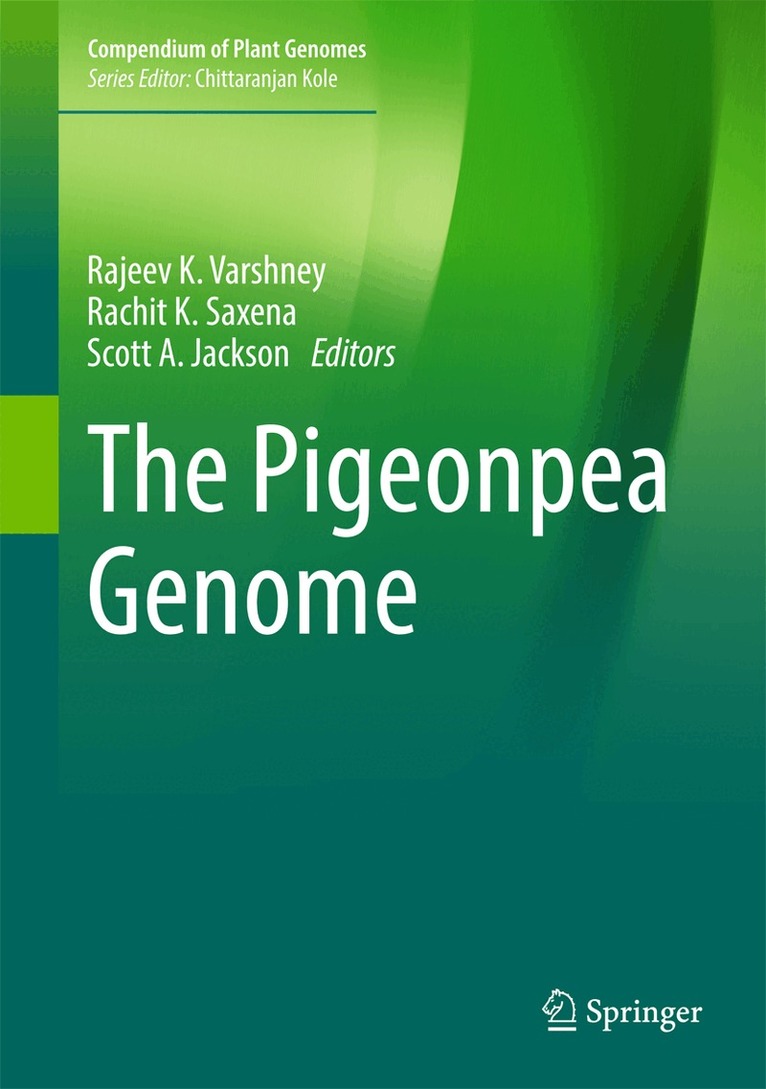
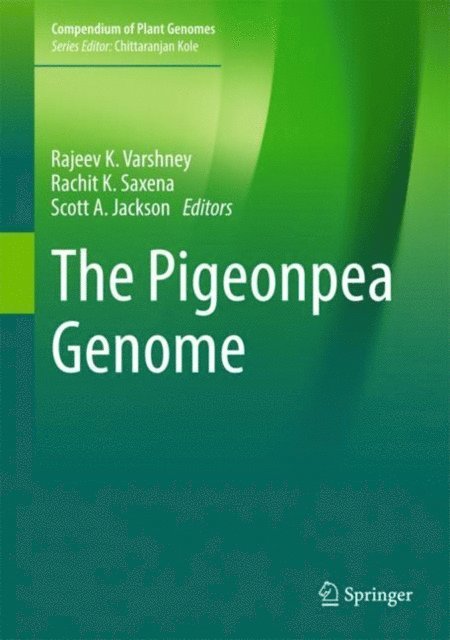
Pigeonpea Genome
Av Rajeev K. Varshney, Rachit K. Saxena m. fl.
Inbunden, 2018
1098 kr
Lägg i varukorg
Pigeonpea (Cajanus cajan) is a crop of small land holding farmers in arid and semi-arid regions of the world. It has a number of usages starting from protein rich food to vegetarian families; fuel wood; nitrogen supplier to soil; recycling minerals in soil to animal feed etc. Pigeonpea has been …
Pigeonpea Genome
Av Scott A. Jackson, Rachit K. Saxena m. fl.
E-bok, 2017
1427 kr
Lägg i varukorg
Pigeonpea (Cajanus cajan) is a crop of small land holding farmers in arid and semi-arid regions of the world. It has a number of usages starting from protein rich food to vegetarian families; fuel wood; nitrogen supplier to soil; recycling minerals in soil to animal feed etc. Pigeonpea has been …
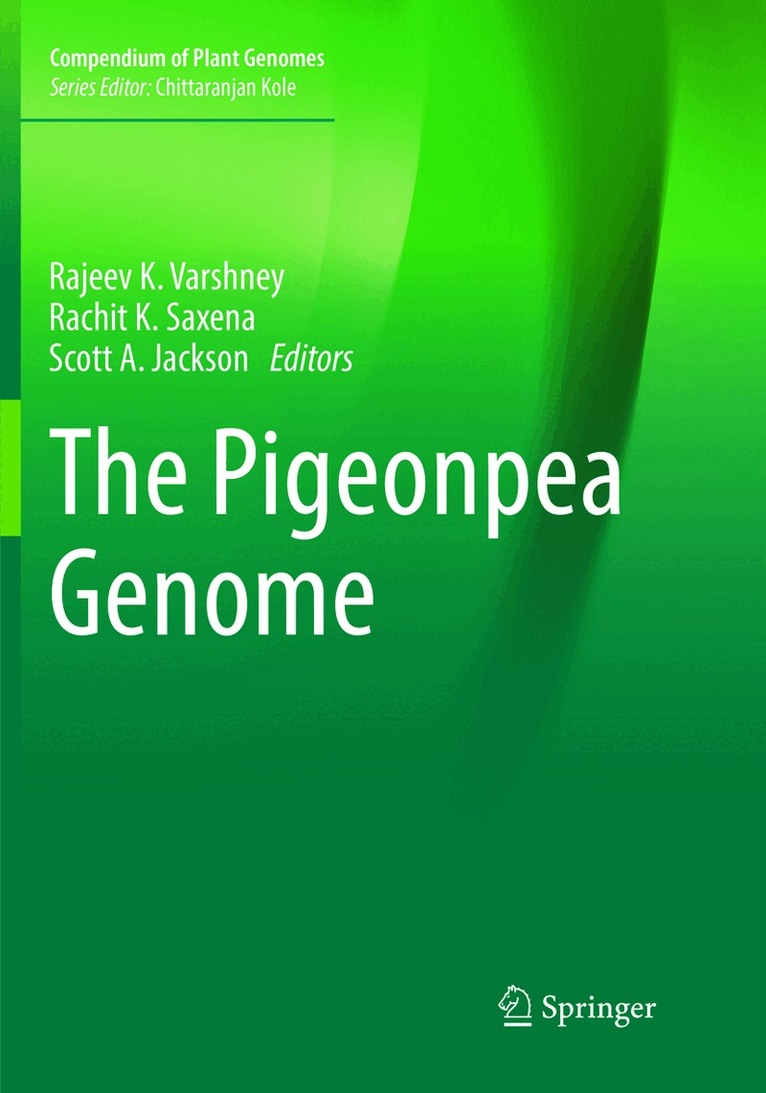
Pigeonpea Genome
Av Rajeev K. Varshney, Rachit K. Saxena m. fl.
Häftad, 2019
1098 kr
Lägg i varukorg
Pigeonpea (Cajanus cajan) is a crop of small land holding farmers in arid and semi-arid regions of the world. It has a number of usages starting from protein rich food to vegetarian families; fuel wood; nitrogen supplier to soil; recycling minerals in soil to animal feed etc. Pigeonpea has been …