Radhika Gajjala – författare
2 195 kr
Skickas inom 10-15 vardagar
727 kr
Skickas inom 10-15 vardagar
722 kr
Skickas inom 10-15 vardagar
1 535 kr
Skickas inom 10-15 vardagar
549 kr
Skickas inom 10-15 vardagar
590 kr
Läs direkt efter köp
South Asian Technospaces
382 kr
Skickas inom 5-8 vardagar
727 kr
Skickas inom 10-15 vardagar
858 kr
Läs direkt efter köp
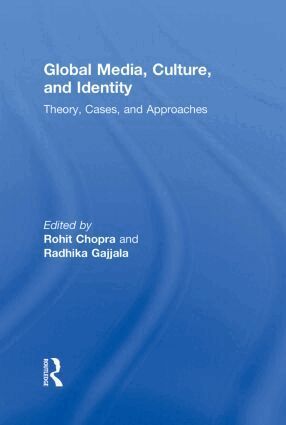
This edited volume examines the ways that global media shapes relations between place, culture, and identity. Through the included essays, Chopra and Gajjala offer a mix of theoretical reflections and empirical case studies that will help readers understand how the media can shape cultural identities and, conversely, how cultural formations can influence the political economy of global media. The interdisciplinary, international scholars gathered here push the discussion of what it means to do global media studies beyond uncritical celebrations of the global media technologies (or globalization) as well as beyond perspectives that are a priori dismissive of the possibilities of global media.
Some of the key questions and themes that the international contributors explore within the text include: Is the global audience of global television the same as the global audience of the internet? Can we conceptualize the global culture-media-identity dynamic beyond the discourse of postcolonialism? How does the globalization of media affect feelings of nationalism? How is the growth of a consumer "global middle class" spread, and resisted, through media? Global Media, Identity, and Culture takes a comparative media approach to addressing these, and other, issues across media forms including print, television, film, and new media
858 kr
Läs direkt efter köp
This edited volume examines the ways that global media shapes relations between place, culture, and identity. Through the included essays, Chopra and Gajjala offer a mix of theoretical reflections and empirical case studies that will help readers understand how the media can shape cultural identities and, conversely, how cultural formations can influence the political economy of global media. The interdisciplinary, international scholars gathered here push the discussion of what it means to do global media studies beyond uncritical celebrations of the global media technologies (or globalization) as well as beyond perspectives that are a priori dismissive of the possibilities of global media.
Some of the key questions and themes that the international contributors explore within the text include: Is the global audience of global television the same as the global audience of the internet? Can we conceptualize the global culture-media-identity dynamic beyond the discourse of postcolonialism? How does the globalization of media affect feelings of nationalism? How is the growth of a consumer "global middle class" spread, and resisted, through media? Global Media, Identity, and Culture takes a comparative media approach to addressing these, and other, issues across media forms including print, television, film, and new media
3 677 kr
Skickas inom 10-15 vardagar
824 kr
Läs direkt efter köp
824 kr
Läs direkt efter köp
South Asian Technospaces
1 219 kr
Skickas inom 5-8 vardagar
Cyberfeminism 2.0
453 kr
Skickas inom 5-8 vardagar
Cyberfeminism 2.0
1 656 kr
Skickas inom 5-8 vardagar
1 188 kr
Skickas inom 10-15 vardagar
3 216 kr
Skickas inom 3-6 vardagar
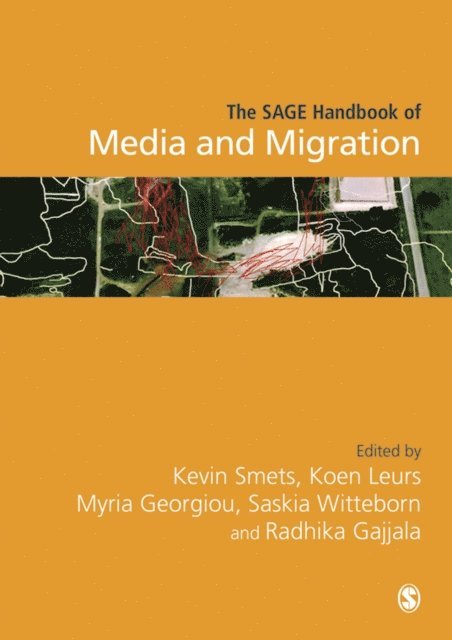
Migration moves people, ideas and things. Migration shakes up political scenes and instigates new social movements. It redraws emotional landscapes and reshapes social networks, with traditional and digital media enabling, representing, and shaping the processes, relationships and people on the move. The deep entanglement of media and migration expands across the fields of political, cultural and social life. For example, migration is increasingly digitally tracked and surveilled, and national and international policy-making draws on data on migrant movement, anticipated movement, and biometrics to maintain a sense of control over the mobilities of humans and things. Also, social imaginaries are constituted in highly mediated environments where information and emotions on migration are constantly shared on social and traditional media. Both, those migrating and those receiving them, turn to media and communicative practices to learn how to make sense of migration and to manage fears and desires associated with cross-border mobility in an increasingly porous but also controlled and divided world.
The SAGE Handbook of Media and Migration offers a comprehensive overview of media and migration through new research, as well as a review of present scholarship in this expanding and promising field. It explores key interdisciplinary concepts and methodologies, and how these are challenged by new realities and the links between contemporary migration patterns and its use of mediated processes. Although primarily grounded in media and communication studies, the Handbook builds on research in the fields of sociology, anthropology, political science, urban studies, science and technology studies, human rights, development studies, and gender and sexuality studies, to bring to the forefront key theories, concepts and methodological approaches to the study of the movement of people.
In seven parts, the Handbook dissects important areas of cross-disciplinary and generational discourse for graduate students, early career researcher, migration management practitioners, and academics in the fields of media and migration studies, international development, communication studies, and the wider social science discipline.
Part One: Keywords and Legacies
Part Two: Methodologies
Part Three: Communities
Part Four: Representations
Part Five: Borders and Rights
Part Six: Spatialities
Part Seven: Conflicts
1 424 kr
Läs direkt efter köp
Migration moves people, ideas and things. Migration shakes up political scenes and instigates new social movements. It redraws emotional landscapes and reshapes social networks, with traditional and digital media enabling, representing, and shaping the processes, relationships and people on the move. The deep entanglement of media and migration expands across the fields of political, cultural and social life. For example, migration is increasingly digitally tracked and surveilled, and national and international policy-making draws on data on migrant movement, anticipated movement, and biometrics to maintain a sense of control over the mobilities of humans and things. Also, social imaginaries are constituted in highly mediated environments where information and emotions on migration are constantly shared on social and traditional media. Both, those migrating and those receiving them, turn to media and communicative practices to learn how to make sense of migration and to manage fears and desires associated with cross-border mobility in an increasingly porous but also controlled and divided world.
The SAGE Handbook of Media and Migration offers a comprehensive overview of media and migration through new research, as well as a review of present scholarship in this expanding and promising field. It explores key interdisciplinary concepts and methodologies, and how these are challenged by new realities and the links between contemporary migration patterns and its use of mediated processes. Although primarily grounded in media and communication studies, the Handbook builds on research in the fields of sociology, anthropology, political science, urban studies, science and technology studies, human rights, development studies, and gender and sexuality studies, to bring to the forefront key theories, concepts and methodological approaches to the study of the movement of people.
In seven parts, the Handbook dissects important areas of cross-disciplinary and generational discourse for graduate students, early career researcher, migration management practitioners, and academics in the fields of media and migration studies, international development, communication studies, and the wider social science discipline.
Part One: Keywords and Legacies
Part Two: Methodologies
Part Three: Communities
Part Four: Representations
Part Five: Borders and Rights
Part Six: Spatialities
Part Seven: Conflicts
1 366 kr
Skickas inom 10-15 vardagar
522 kr
Skickas inom 10-15 vardagar
545 kr
Läs direkt efter köp