Radmila Švaříčková Slabáková - Böcker
Visar alla böcker från författaren Radmila Švaříčková Slabáková. Handla med fri frakt och snabb leverans.
3 produkter
3 produkter
578 kr
Skickas inom 10-15 vardagar
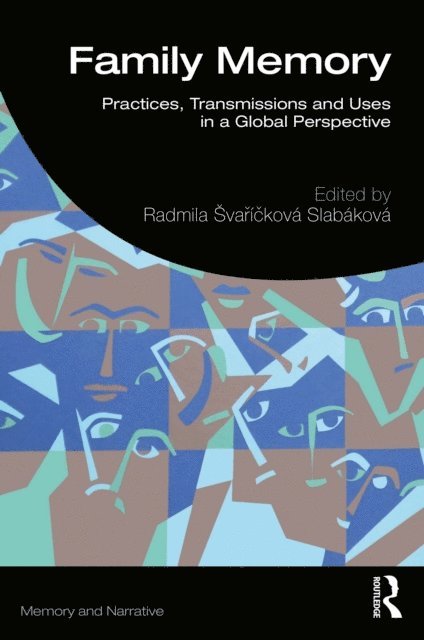
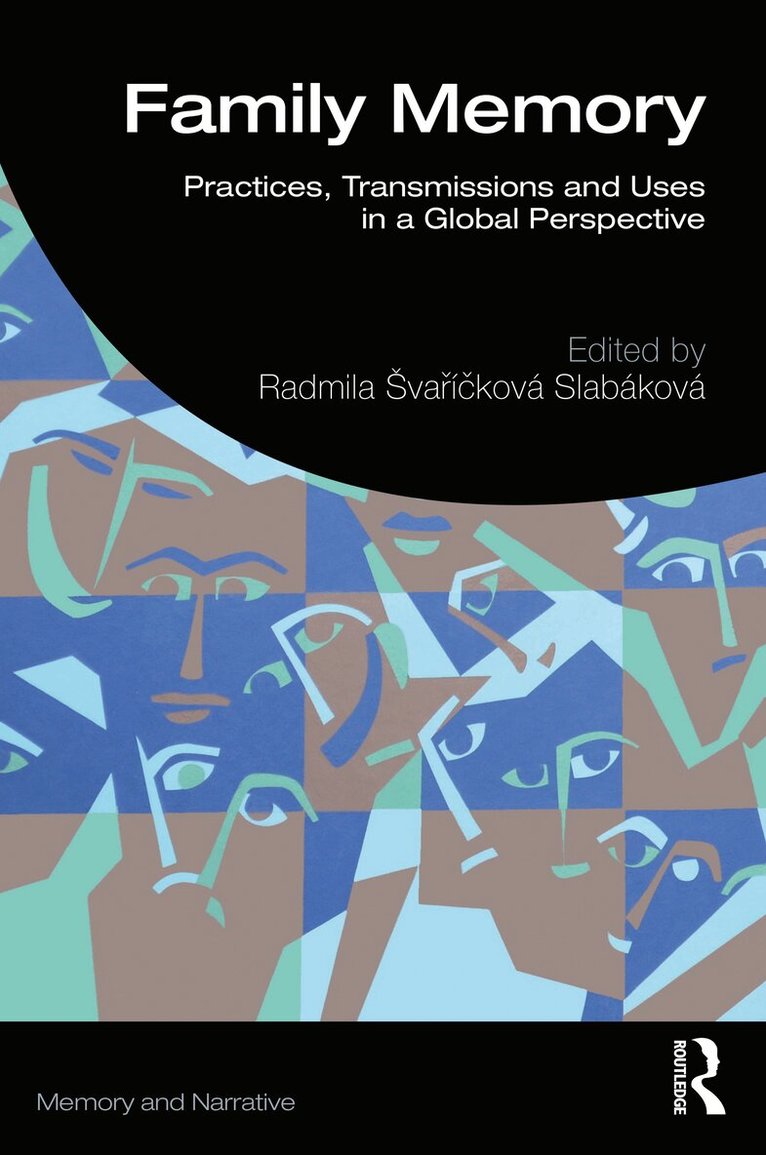
In Family Memory: Practices, Transmissions and Uses in a Global Perspective, researchers from five different continents explore the significance of family memory as an analytical tool and a research concept.Family memory is the most important memory community. This volume illustrates the range and power of family memories, often neglected by memory studies dealing with larger mnemonic entities. This book highlights the potential of family memory research for understanding societies’past and present and the need for a more comprehensive and systematic use of family memories. The contributors explain how family memories can be a valuable resource across a range of settings pertaining to individual and collective identities, national memories, intergenerational transmission processes and migration, transnational and diasporic studies. This volume presents the past, present and future of family memory as a prospective field of memory studies and the role of family memory in intergenerational transmission of social and political values. Family memory of violent events and genocide is also looked at, with discussions of the Armenian Genocide, Russian Revolution and Rwandan Genocide.This book will be an important read for cultural and oral historians; family historians; public historians; researchers in narrative studies, psychology, politics and international studies.
2 167 kr
Skickas inom 10-15 vardagar
In Family Memory: Practices, Transmissions and Uses in a Global Perspective, researchers from five different continents explore the significance of family memory as an analytical tool and a research concept.Family memory is the most important memory community. This volume illustrates the range and power of family memories, often neglected by memory studies dealing with larger mnemonic entities. This book highlights the potential of family memory research for understanding societies’past and present and the need for a more comprehensive and systematic use of family memories. The contributors explain how family memories can be a valuable resource across a range of settings pertaining to individual and collective identities, national memories, intergenerational transmission processes and migration, transnational and diasporic studies. This volume presents the past, present and future of family memory as a prospective field of memory studies and the role of family memory in intergenerational transmission of social and political values. Family memory of violent events and genocide is also looked at, with discussions of the Armenian Genocide, Russian Revolution and Rwandan Genocide.This book will be an important read for cultural and oral historians; family historians; public historians; researchers in narrative studies, psychology, politics and international studies.
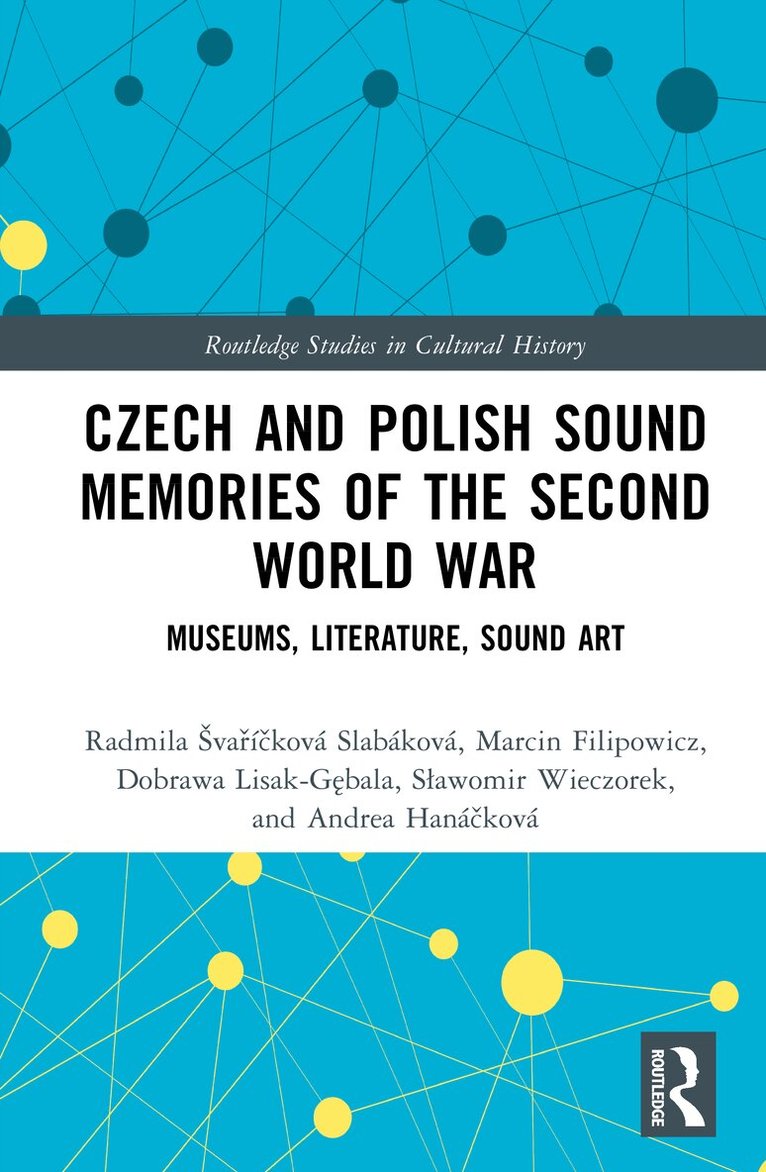
Czech and Polish Sound Memories of the Second World War
Museums, Literature, Sound Art
Inbunden, Engelska, 2025
2 176 kr
Skickas inom 10-15 vardagar
This book investigates the crucial yet often overlooked role of sound in shaping the memory of the Second World War.Through an interdisciplinary and transnational approach, this volume addresses a notable gap in memory studies and argues that auditory experiences are central to how war is remembered, commemorated and narrated. By placing sound at the heart of collective remembrance, this book reveals how sonic elements influence public discourse, shape collective identities and contribute to the evolving transformation of war memory. Bringing together scholars from the Czech Republic and Poland, this volume examines how the Second World War has been remembered through sound since the 1990s across three distinct media: museum exhibitions, prose fiction and sound art – including soundwalks and field recordings. This innovative framework underscores the importance of exploring how different media evoke and reproduce sound to grasp the complexity and diversity of wartime memory in Central Europe. Focusing on Czech and Polish memory cultures, the book demonstrates that sound may function in multiple and sometimes contradictory ways: as a means of reinforcing national narratives, as a tool for critical engagement, or as a medium for experimental and marginal perspectives.This volume is essential reading for scholars in memory studies, sound studies, cultural and public history, museology, literary theory and musicology, as well as for museum professionals and anyone interested in how the past resonates – literally and metaphorically – through sound.