Rafi Segal - Böcker
Visar alla böcker från författaren Rafi Segal. Handla med fri frakt och snabb leverans.
4 produkter
4 produkter
778 kr
Skickas inom 7-10 vardagar
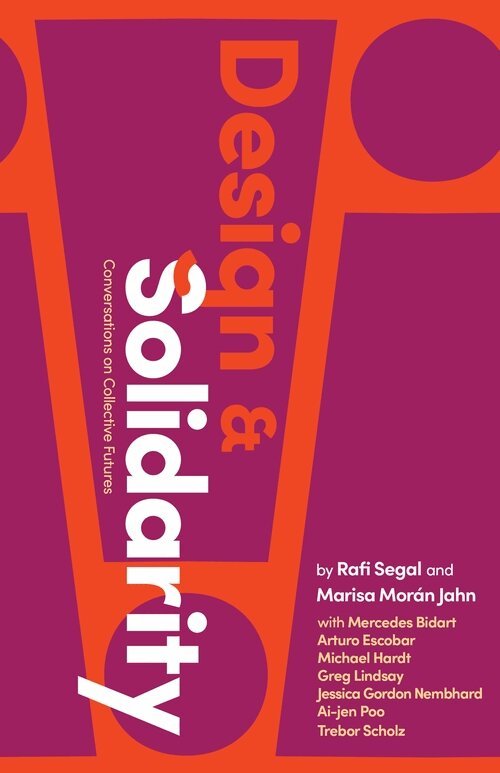
In times of crisis, mutual aid becomes paramount. Even before the COVID-19 pandemic, new forms of sharing had gained momentum to redress precarity and stark economic inequality. Today, a diverse array of mutualistic organizations seek to fundamentally restructure housing, care, labor, food, and more. Yet design, art, and architecture play a key role in shaping these initiatives, fulfilling their promise of solidarity, and ensuring that these values endure.In this book, artist Marisa Morán Jahn and architect Rafi Segal converse about the transformative potential of mutualism and design with leading thinkers and practitioners: Mercedes Bidart, Arturo Escobar, Michael Hardt, Greg Lindsay, Jessica Gordon Nembhard, Ai-jen Poo, and Trebor Scholz. Together, they consider how design inspires, invigorates, and sustains contemporary forms of mutualism—including platform cooperatives, digital-first communities, emerging currencies, mutual aid, care networks, social-change movements, and more. From these dialogues emerge powerful visions of futures guided by communal self-determination and collective well-being.
210 kr
Skickas inom 7-10 vardagar
In times of crisis, mutual aid becomes paramount. Even before the COVID-19 pandemic, new forms of sharing had gained momentum to redress precarity and stark economic inequality. Today, a diverse array of mutualistic organizations seek to fundamentally restructure housing, care, labor, food, and more. Yet design, art, and architecture play a key role in shaping these initiatives, fulfilling their promise of solidarity, and ensuring that these values endure.In this book, artist Marisa Morán Jahn and architect Rafi Segal converse about the transformative potential of mutualism and design with leading thinkers and practitioners: Mercedes Bidart, Arturo Escobar, Michael Hardt, Greg Lindsay, Jessica Gordon Nembhard, Ai-jen Poo, and Trebor Scholz. Together, they consider how design inspires, invigorates, and sustains contemporary forms of mutualism—including platform cooperatives, digital-first communities, emerging currencies, mutual aid, care networks, social-change movements, and more. From these dialogues emerge powerful visions of futures guided by communal self-determination and collective well-being.
195 kr
Tillfälligt slut
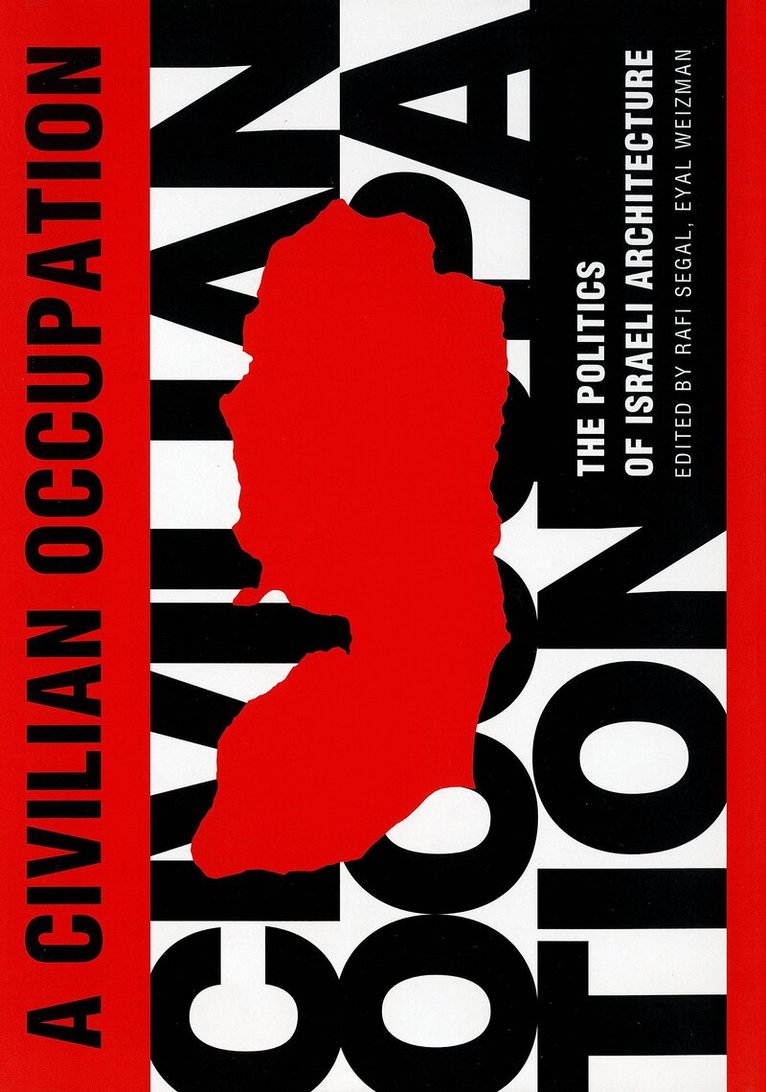
Bringing together essays and photographs by leading Israeli practitioners, and complemented by maps, plans and statistical data, A Civilian Occupation explores the processes and repercussions of Israeli planning and its underlying ideology. It demonstrates how, over the last century, planning and architecture have been transformed from everyday professional practices into strategic weapons in the service of the state, which has sought to secure national and geopolitical objectives through the organization of space and in the redistribution of its population. In fact, as the book shows, Israeli architecture has consistently provided the concrete means for the pursuit of the Zionist project of building a national home for the Jewish people in the Land of Israel. As such, it is the first study to supplement the more familiar political, military and historical analysis of the Israel-Palestine conflict with a detailed description of the physical environments in which it is played out.The banning of the first edition of this book by its original publisher was proof, if any were needed, that architecture in Israel, indeed architecture anywhere, can no longer be considered a politically naive activity: the politics of Israeli architecture is the politics of any architecture.
546 kr
Skickas inom 7-10 vardagar
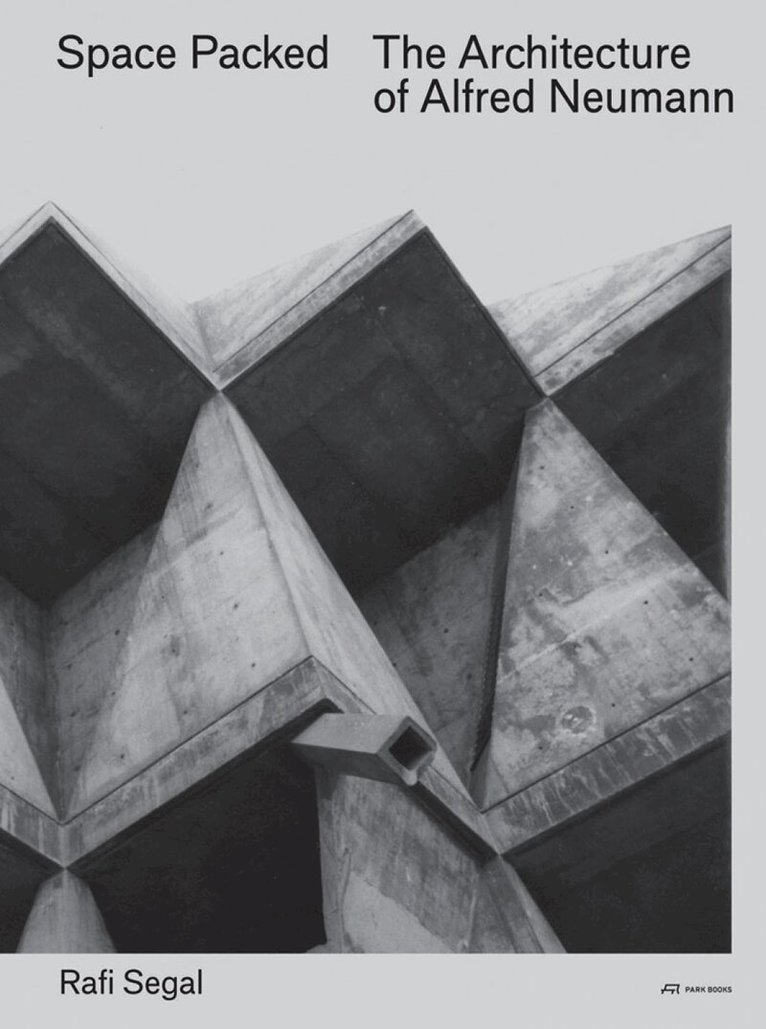
Space Packed: The Architecture of Alfred Neumann is the first critical monograph on the work of the Austrian-born modernist architect Alfred Neumann (1900-1968). Based on an exploration of his writings and a close study of his built and unbuilt projects, it unveils and analyses Neumann's approach to architecture in the context of post-war modernism and the establishment of the State of Israel from 1948 onwards.Rafi Segal's book brings to attention again this highly significant, yet largely forgotten figure who contributed vastly to establishing modernism in Israel and who had a lasting impact on the new country's architectural culture. At his time, Neumann was equally renowned and controversial for his original designs that differed from modernist mainstream.Space Packed is divided into four chapters that discuss the development of Neumann's architectural theories, methodologies, and built work during the 1950s and 1960s, against the backdrop of contemporary architectural discourse and the nation-building demands of the new state of Israel. It also features a chronologically-organised and illustrated catalogue of Neumann's buildings and designs, including a vast number of previously unpublished photographs, drawings and sketches.