Rahmatullah Qureshi – författare
Visar alla böcker från författaren Rahmatullah Qureshi. Handla med fri frakt och snabb leverans.
5 produkter
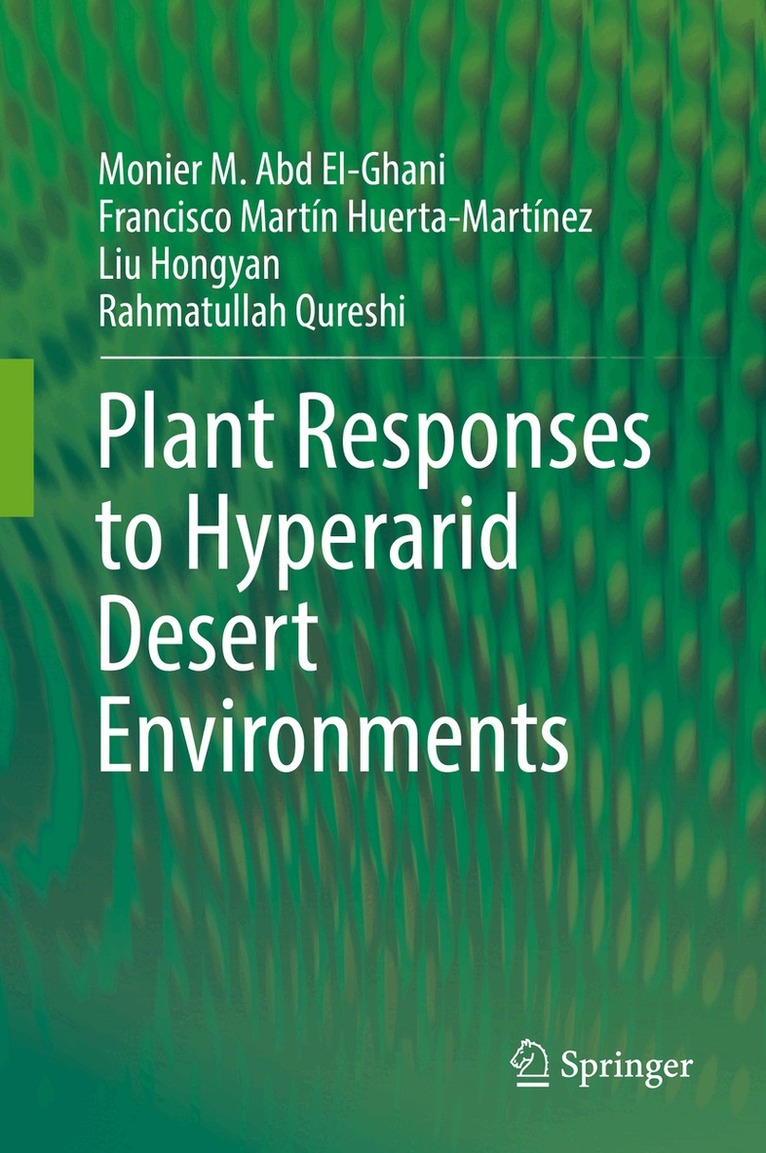
Plant Responses to Hyperarid Desert Environments
Av Monier M. Abd El-Ghani, Francisco Martín Huerta-Martínez m. fl.
Inbunden, 2017
2180 kr
Lägg i varukorg
This book provides a comprehensive discussion on plant responses in hyperarid regions of Egypt, China, Mexico, and Pakistan. It describes their location, physiographic features, accidental vegetation along two transects, endangered vegetation species, human impact, and variety of plant types (e.g. …
Plant Responses to Hyperarid Desert Environments
Av Rahmatullah Qureshi, Liu Hongyan m. fl.
E-bok, 2017
2925 kr
Lägg i varukorg
This book provides a comprehensive discussion on plant responses in hyperarid regions of Egypt, China, Mexico, and Pakistan. It describes their location, physiographic features, accidental vegetation along two transects, endangered vegetation species, human impact, and variety of plant types (e.g. …
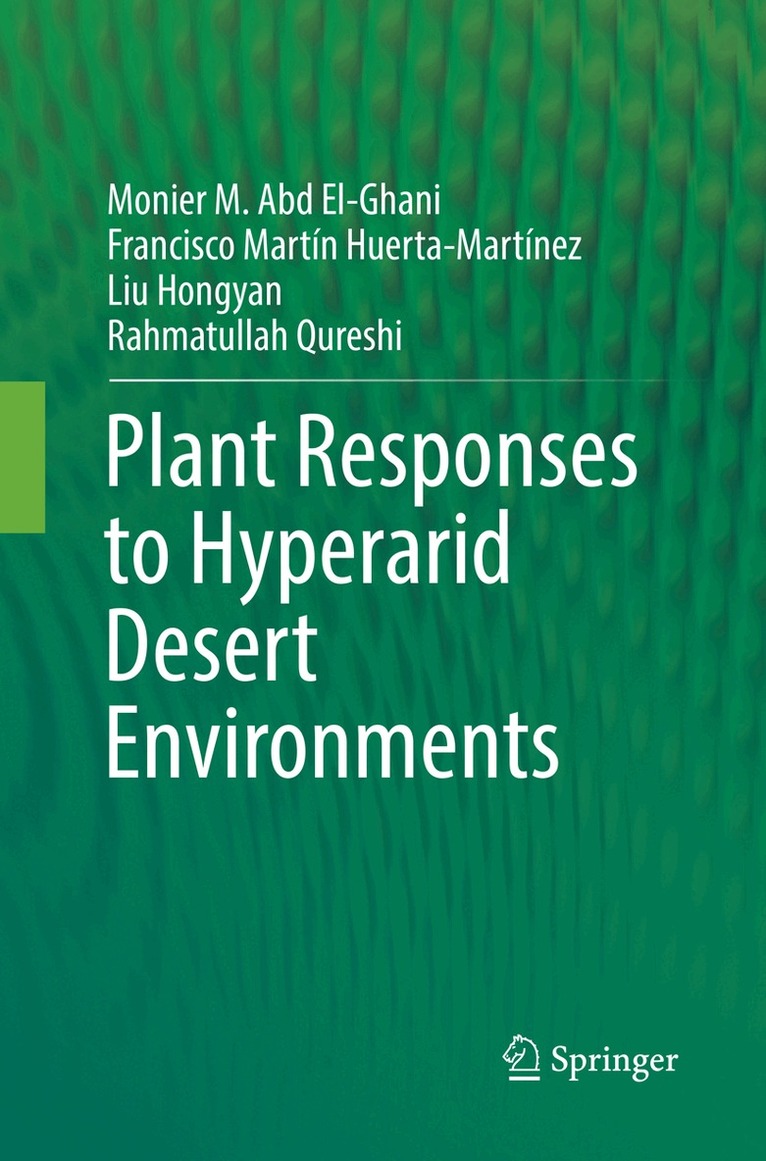
Plant Responses to Hyperarid Desert Environments
Av Monier M. Abd El-Ghani, Francisco Martín Huerta-Martínez m. fl.
Häftad, 2018
2180 kr
Lägg i varukorg
This book provides a comprehensive discussion on plant responses in hyperarid regions of Egypt, China, Mexico, and Pakistan. It describes their location, physiographic features, accidental vegetation along two transects, endangered vegetation species, human impact, and variety of plant types (e.g. …
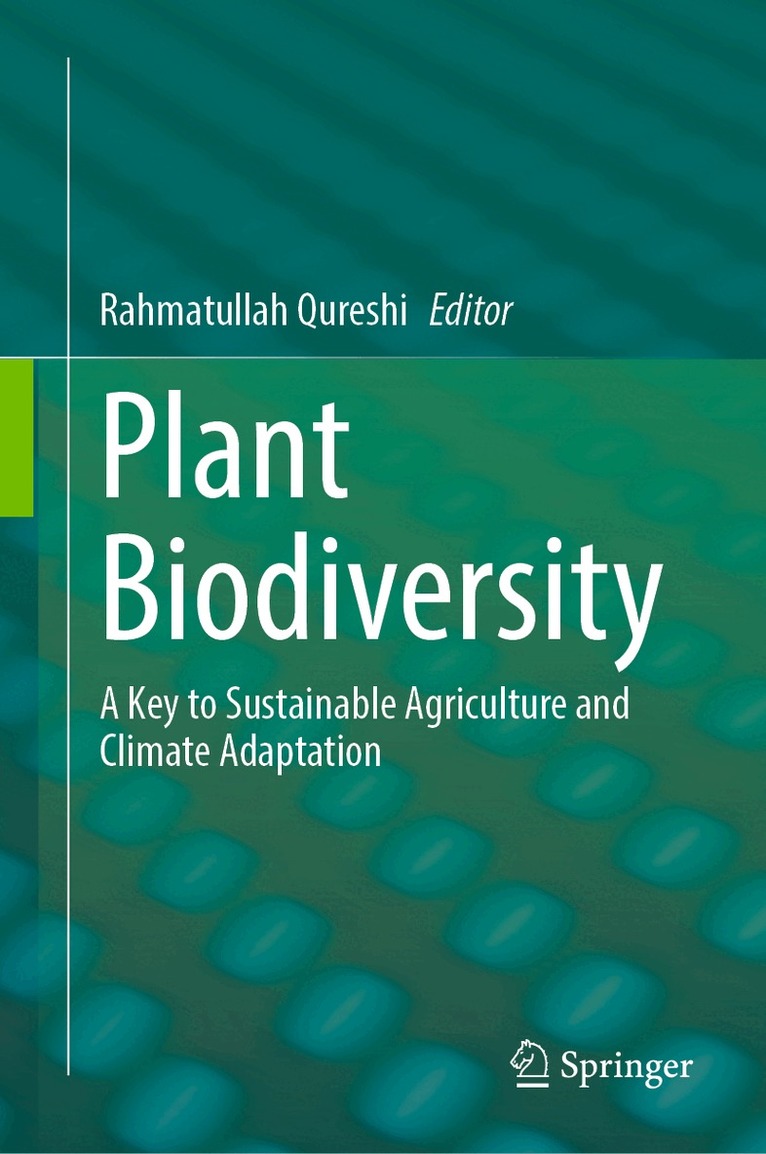
Plant Biodiversity
A Key to Sustainable Agriculture and Climate Adaptation
Inbunden, 2026
2180 kr
Lägg i varukorg
This book explores how plants can help us build a more secure, healthy, and climate-resilient future. It highlights the importance of conserving plant diversity and using traditional knowledge to improve food systems in the face of climate challenges.The chapters cover a wide range of topics—from …
Plant Biodiversity
A Key to Sustainable Agriculture and Climate Adaptation
E-bok, 2026
2862 kr
Lägg i varukorg
This book explores how plants can help us build a more secure, healthy, and climate-resilient future. It highlights the importance of conserving plant diversity and using traditional knowledge to improve food systems in the face of climate challenges.The chapters cover a wide range of topics from …