Ralph E. Weber – författare
Visar alla böcker från författaren Ralph E. Weber. Handla med fri frakt och snabb leverans.
6 produkter
6 produkter
E-bok
Engelska, 2010118 kr
Läs direkt efter köp
Ronald Reagan, one of America’s most beloved presidents, is now gone. But his voice lives on in this stirring and very personal collection of letters written during his presidency to his fellow Americans, showing us a new and surprisingly intimate side of our fortieth president. During even the busiest times in his presidency, Ronald Reagan took time out to respond to dozens of letters each week from the many friends and private citizens who wrote to him about their concerns. These letters, collected in the president’s “Handwriting File,” have never been examined by historians. Now Ralph E. Weber and his son, Ralph A. Weber, have culled the best of this collection, arranged chronologically to track the course of political events during the eight years of his presidency. A fascinating glimpse at the issues facing the United States during the 1980s, Letters from the Desk of Ronald Reagan traces history in the making.From the Trade Paperback edition.
E-bok
Engelska, 20171 056 kr
Läs direkt efter köp
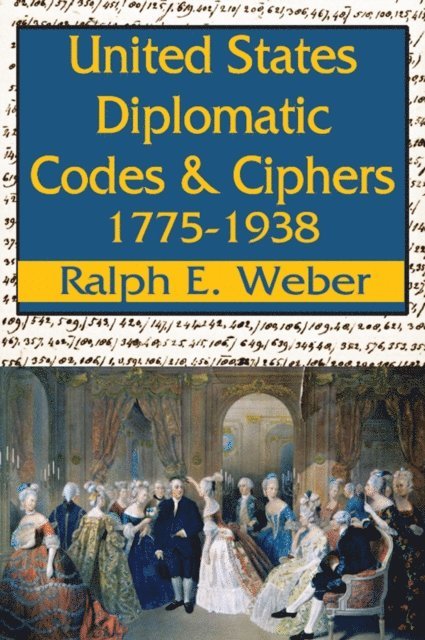
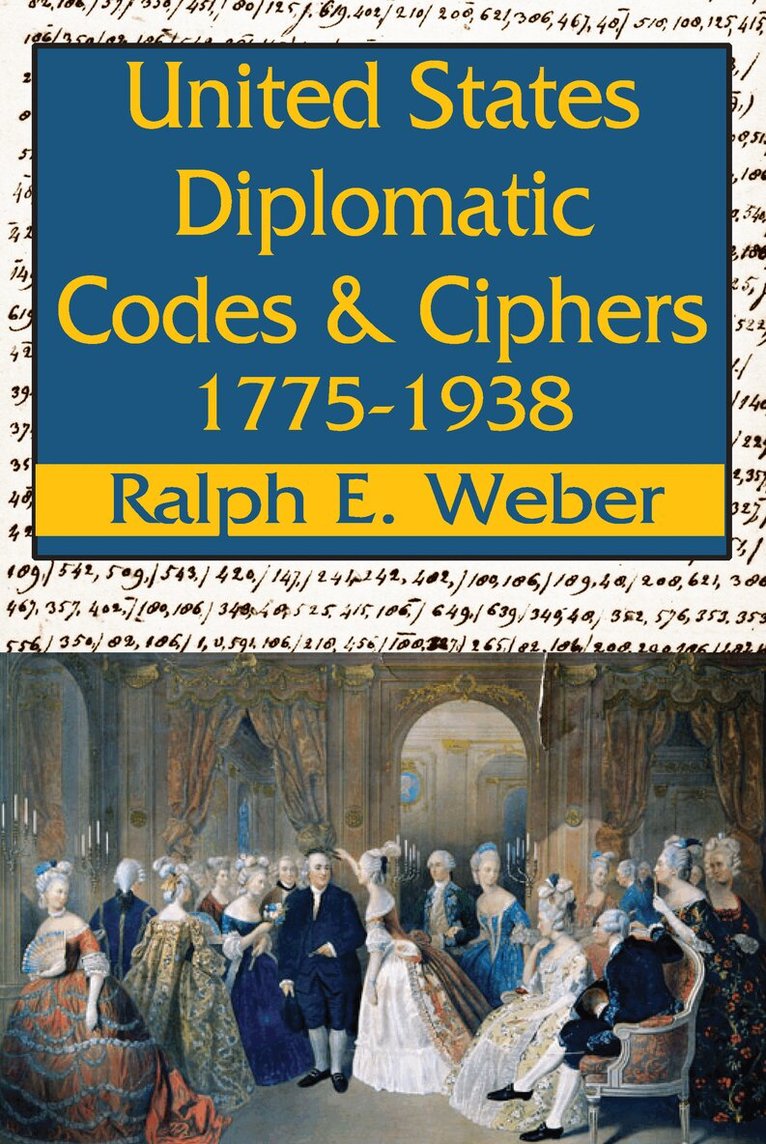
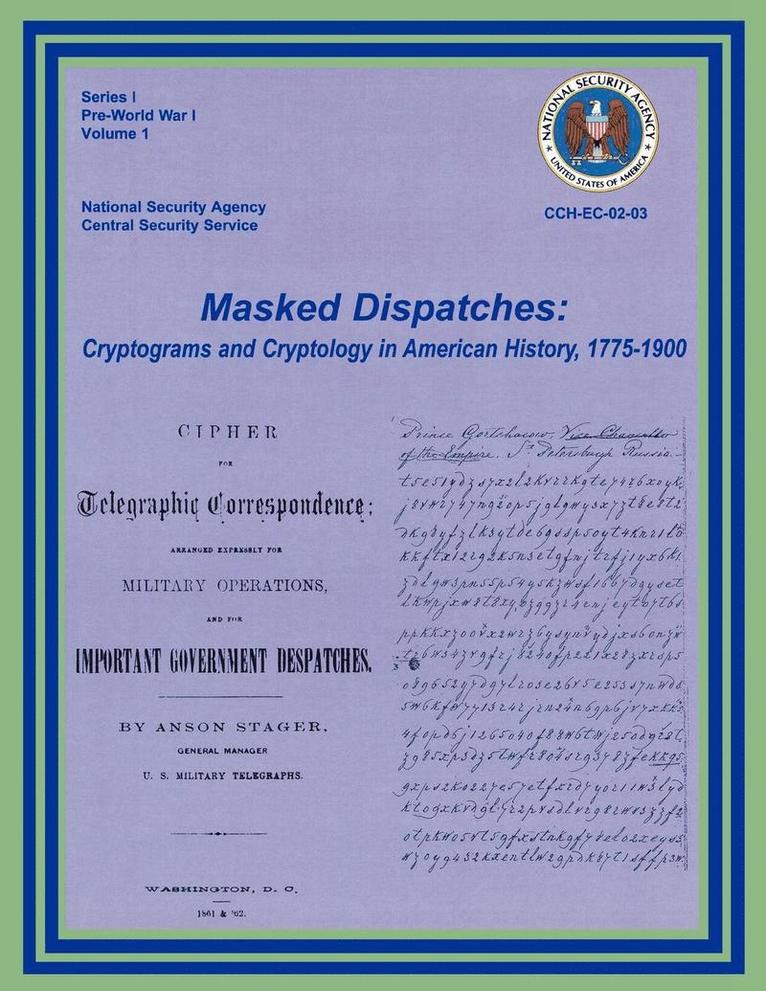
United States Diplomatic Codes and Ciphers, 1775-1938 is the first basic reference work on American diplomatic cryptography. Weber''s research in national and private archives in the Americas and Europe has uncovered more than one hundred codes and ciphers. Beginning with the American Revolution, these secret systems masked confidential diplomatic correspondence and reports.During the period between 1775 and 1938, both codes and ciphers were employed. Ciphers were frequently used for American diplomatic and military correspondence during the American Revolution. At that time, a system was popular among American statesmen whereby a common book, such as a specific dictionary,was used by two correspondents who encoded each word in a message with three numbers. In this system, the first number indicated the page of the book, the second the line in the book, and the third the position of the plain text word on that line counting from the left. Codes provided the most common secret language basis for the entire nineteenth century.Ralph Weber describes in eight chapters the development of American cryptographic practice. The codes and ciphers published in the text and appendix will enable historians and others to read secret State Department dispatches before 1876, and explain code designs after that year.
E-bok
PDF, Engelska, 20171 056 kr
Läs direkt efter köp
United States Diplomatic Codes and Ciphers, 1775-1938 is the first basic reference work on American diplomatic cryptography. Weber''s research in national and private archives in the Americas and Europe has uncovered more than one hundred codes and ciphers. Beginning with the American Revolution, these secret systems masked confidential diplomatic correspondence and reports.During the period between 1775 and 1938, both codes and ciphers were employed. Ciphers were frequently used for American diplomatic and military correspondence during the American Revolution. At that time, a system was popular among American statesmen whereby a common book, such as a specific dictionary,was used by two correspondents who encoded each word in a message with three numbers. In this system, the first number indicated the page of the book, the second the line in the book, and the third the position of the plain text word on that line counting from the left. Codes provided the most common secret language basis for the entire nineteenth century.Ralph Weber describes in eight chapters the development of American cryptographic practice. The codes and ciphers published in the text and appendix will enable historians and others to read secret State Department dispatches before 1876, and explain code designs after that year.
Häftad, Engelska, 2010
895 kr
Skickas inom 10-15 vardagar
United States Diplomatic Codes and Ciphers, 1775-1938 is the first basic reference work on American diplomatic cryptography. Weber's research in national and private archives in the Americas and Europe has uncovered more than one hundred codes and ciphers. Beginning with the American Revolution, these secret systems masked confidential diplomatic correspondence and reports.During the period between 1775 and 1938, both codes and ciphers were employed. Ciphers were frequently used for American diplomatic and military correspondence during the American Revolution. At that time, a system was popular among American statesmen whereby a common book, such as a specific dictionary,was used by two correspondents who encoded each word in a message with three numbers. In this system, the first number indicated the page of the book, the second the line in the book, and the third the position of the plain text word on that line counting from the left. Codes provided the most common secret language basis for the entire nineteenth century.Ralph Weber describes in eight chapters the development of American cryptographic practice. The codes and ciphers published in the text and appendix will enable historians and others to read secret State Department dispatches before 1876, and explain code designs after that year.
Häftad, Engelska, 2011
340 kr
Skickas inom 5-8 vardagar
Inbunden, Engelska, 1985
1 148 kr
Tillfälligt slut
United States Diplomatic Codes and Ciphers, 1775-1938 is the first basic reference work on American diplomatic cryptography. Weber's research in national and private archives in the Americas and Europe has uncovered more than one hundred codes and ciphers. Beginning with the American Revolution, these secret systems masked confidential diplomatic correspondence and reports.During the period between 1775 and 1938, both codes and ciphers were employed. Ciphers were frequently used for American diplomatic and military correspondence during the American Revolution. At that time, a system was popular among American statesmen whereby a common book, such as a specific dictionary,was used by two correspondents who encoded each word in a message with three numbers. In this system, the first number indicated the page of the book, the second the line in the book, and the third the position of the plain text word on that line counting from the left. Codes provided the most common secret language basis for the entire nineteenth century.Ralph Weber describes in eight chapters the development of American cryptographic practice. The codes and ciphers published in the text and appendix will enable historians and others to read secret State Department dispatches before 1876, and explain code designs after that year.