Ralph Grossman - Böcker
Visar alla böcker från författaren Ralph Grossman. Handla med fri frakt och snabb leverans.
4 produkter
4 produkter
689 kr
Skickas inom 7-10 vardagar
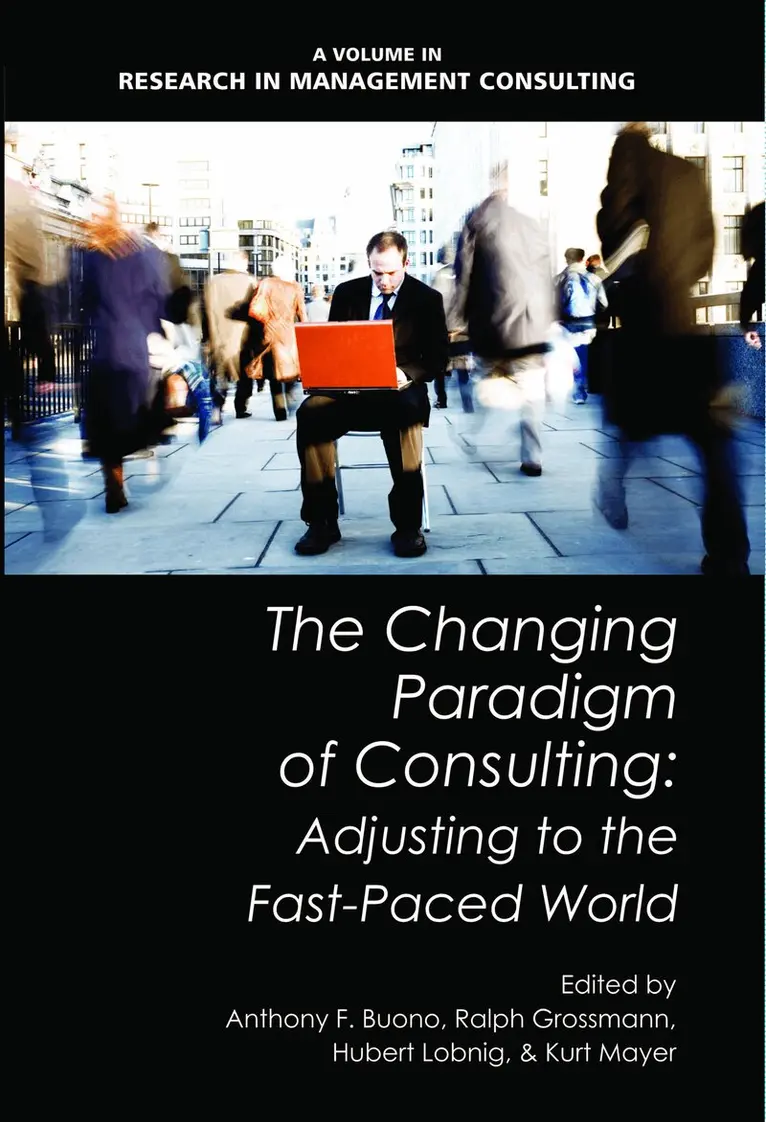
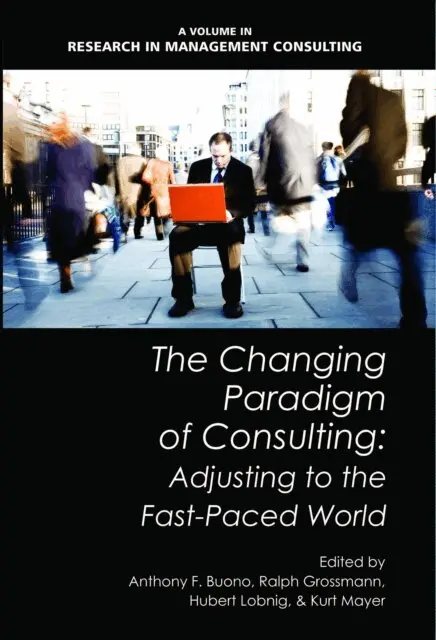
The 13th volume in the RMC series, The Changing Paradigm of Consulting, is based on the best papers presented at the Academy of Management’s Management Consulting Division’s fourth international conference (2009) on the underlying dynamics within the fast-paced world of business and management consulting. Held in Vienna, Austria, the conference brought together academicians, consultants and organizational practitioners to examine the changes taking place within the consulting field. The book’s 19 chapters are divided into five sections that explore the emergence and implications of this new paradigm, delineating and illustrating the paradigm shift taking placing within consulting, exploring the ramifications for global consulting, examining the challenges inherent in attempts to capture collaboration and cooperation in inter-organizational networks, analyzing the push toward the professionalization – and professionalism – of consultancy, and assessing new approaches to management consulting, focusing on innovative instruments, tools and intervention frameworks. The book captures the myriad complexities and uncertainties faced by consultants and their clients and the concomitant search for appropriate mindsets, attitudes and orientations as well as methods, tools and techniques. As each of the chapters indicates, while there are significant challenges facing the consulting industry, there are also a number of promising frameworks and approaches that can help us successfully meet these challenges.
1 167 kr
Skickas inom 7-10 vardagar
The 13th volume in the RMC series, The Changing Paradigm of Consulting, is based on the best papers presented at the Academy of Management’s Management Consulting Division’s fourth international conference (2009) on the underlying dynamics within the fast-paced world of business and management consulting. Held in Vienna, Austria, the conference brought together academicians, consultants and organizational practitioners to examine the changes taking place within the consulting field. The book’s 19 chapters are divided into five sections that explore the emergence and implications of this new paradigm, delineating and illustrating the paradigm shift taking placing within consulting, exploring the ramifications for global consulting, examining the challenges inherent in attempts to capture collaboration and cooperation in inter-organizational networks, analyzing the push toward the professionalization – and professionalism – of consultancy, and assessing new approaches to management consulting, focusing on innovative instruments, tools and intervention frameworks. The book captures the myriad complexities and uncertainties faced by consultants and their clients and the concomitant search for appropriate mindsets, attitudes and orientations as well as methods, tools and techniques. As each of the chapters indicates, while there are significant challenges facing the consulting industry, there are also a number of promising frameworks and approaches that can help us successfully meet these challenges.
537 kr
Skickas inom 7-10 vardagar
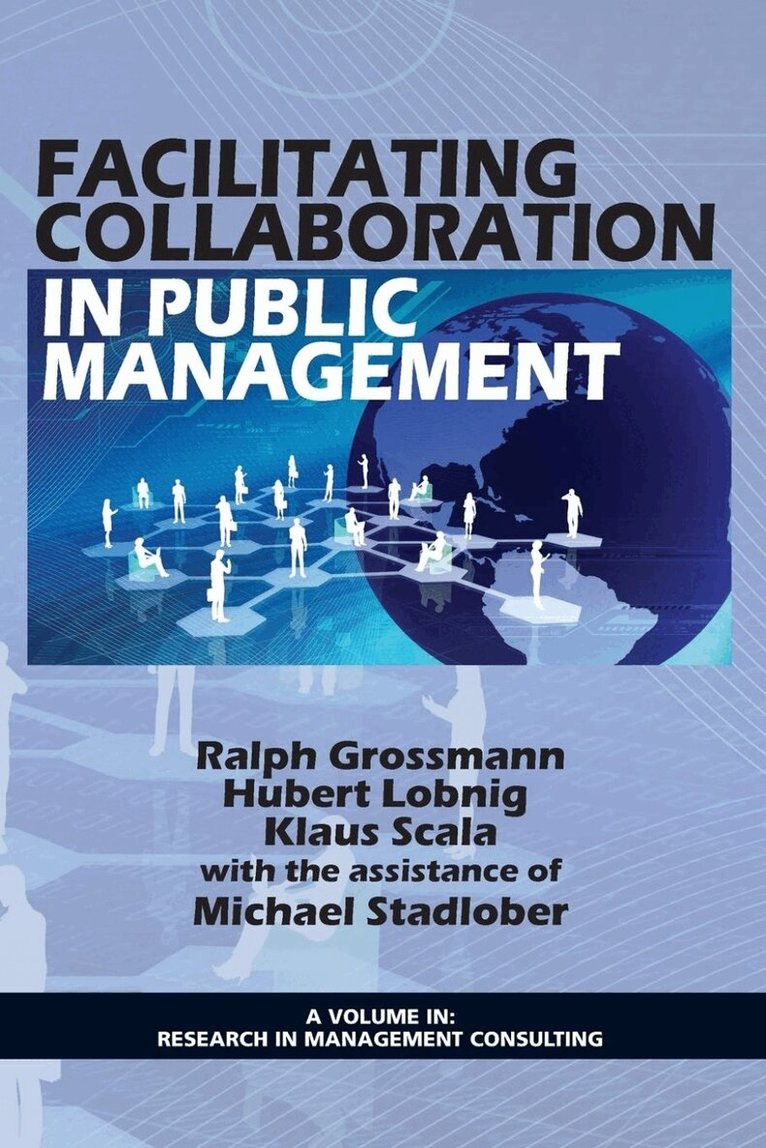
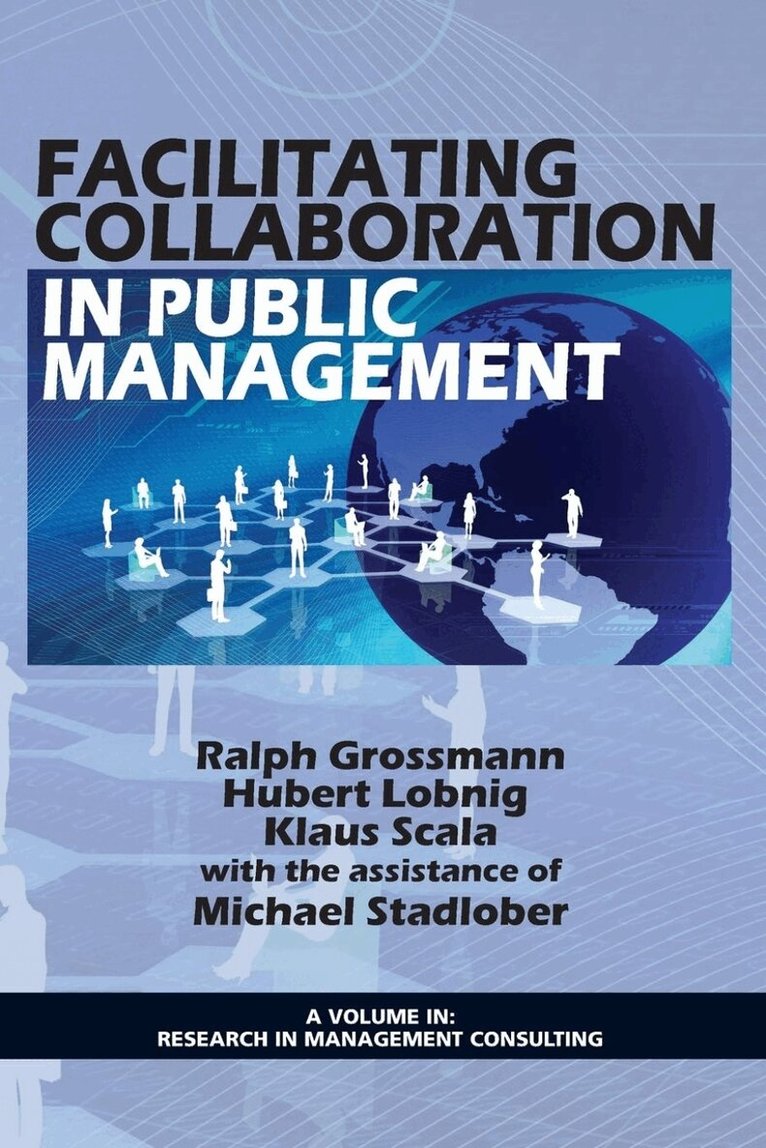
Education, Research, Health, Social Security and other 'public goods' are organized by a mix of organizations, partly publicly-funded, partly private enterprises, partly public-private partnerships. The quality of the services relies greatly on the coordination and collaboration of these specialized organizations. How can cooperative relationships be built that guarantee trustful communication, binding decisions, and productive team-work? How can collaboration and competition be balanced? What are the differences between loose-coupled networks and tightly built collaborations and which type is the best solution for which tasks? How can mergers be managed as result of such collaboration? How must organizations prepare themselves and their internal structures to engage in trans-organizational collaboration?This volume investigates the potential and challenges inherent in collaborative ventures. It is based on the authors’ rich experiences derived from consulting engagements and research projects in publicly-funded service organizations, non-profit organizations, public-private partnerships, and for-profit enterprises. The focus is on the role that management consultants can play in facilitating such collaborative ventures. Especially within the European context, this particular organizational form is becoming an increasingly common and powerful type of organizational system, and, as such, interventions that can ease and expedite their performance demand our attention and scholarship.As the authors skillfully document and illustrate, cooperative relationships and networks function according to their own underlying logic, which is typically grounded in a spirit of collaboration and negotiation. As they argue, the resulting dynamic reflects a different perspective on building interpersonal, intergroup, and Interorganizational relationships, one that is removed from historic attempts at coordination through tight hierarchical control, which, as they underscore, is often 'inflexible, bureaucratic, and incapable' of achieving the level of commitment and dedication necessary for success.Collaborative ventures involve goals that must be jointly pursued, the partnerships must strive for levels commitment, involvement and motivation from their members that go well beyond those that hierarchical top-down structures typically provide. As the authors convincingly demonstrate, such high levels of collaboration do not emerge on their own. Mergers, acquisitions, joint ventures, partnerships, and strategic alliances are often launched with great fanfare, only to fall well short of pre-venture expectations. To truly work in practice, collaborative relationships and networks must be deliberately formed, developed, organized, and guided. Yet, as this volume amply illustrates, the underlying process is infused with a number of tensions – from the challenge of balancing collaboration and competition, to the appropriate mix of loose-tight controls and linkages, to ensuring commitment from members to the partnership while they maintain allegiance to their primary organization.This volume appeals to an international market. It is part of an effort to continue to learn across cultural perspectives, focusing on current thinking in the European context. The reader will become intrigued by the Austrian approach to organizational intervention, especially in the context of interorganizational settings.
1 000 kr
Skickas inom 7-10 vardagar
Education, Research, Health, Social Security and other 'public goods' are organized by a mix of organizations, partly publicly-funded, partly private enterprises, partly public-private partnerships. The quality of the services relies greatly on the coordination and collaboration of these specialized organizations. How can cooperative relationships be built that guarantee trustful communication, binding decisions, and productive team-work? How can collaboration and competition be balanced? What are the differences between loose-coupled networks and tightly built collaborations and which type is the best solution for which tasks? How can mergers be managed as result of such collaboration? How must organizations prepare themselves and their internal structures to engage in trans-organizational collaboration?This volume investigates the potential and challenges inherent in collaborative ventures. It is based on the authors’ rich experiences derived from consulting engagements and research projects in publicly-funded service organizations, non-profit organizations, public-private partnerships, and for-profit enterprises. The focus is on the role that management consultants can play in facilitating such collaborative ventures. Especially within the European context, this particular organizational form is becoming an increasingly common and powerful type of organizational system, and, as such, interventions that can ease and expedite their performance demand our attention and scholarship.As the authors skillfully document and illustrate, cooperative relationships and networks function according to their own underlying logic, which is typically grounded in a spirit of collaboration and negotiation. As they argue, the resulting dynamic reflects a different perspective on building interpersonal, intergroup, and Interorganizational relationships, one that is removed from historic attempts at coordination through tight hierarchical control, which, as they underscore, is often 'inflexible, bureaucratic, and incapable' of achieving the level of commitment and dedication necessary for success.Collaborative ventures involve goals that must be jointly pursued, the partnerships must strive for levels commitment, involvement and motivation from their members that go well beyond those that hierarchical top-down structures typically provide. As the authors convincingly demonstrate, such high levels of collaboration do not emerge on their own. Mergers, acquisitions, joint ventures, partnerships, and strategic alliances are often launched with great fanfare, only to fall well short of pre-venture expectations. To truly work in practice, collaborative relationships and networks must be deliberately formed, developed, organized, and guided. Yet, as this volume amply illustrates, the underlying process is infused with a number of tensions – from the challenge of balancing collaboration and competition, to the appropriate mix of loose-tight controls and linkages, to ensuring commitment from members to the partnership while they maintain allegiance to their primary organization.This volume appeals to an international market. It is part of an effort to continue to learn across cultural perspectives, focusing on current thinking in the European context. The reader will become intrigued by the Austrian approach to organizational intervention, especially in the context of interorganizational settings.