Ralph Hippe – författare
Visar alla böcker från författaren Ralph Hippe. Handla med fri frakt och snabb leverans.
5 produkter
5 produkter
Inbunden, Engelska, 2022
976 kr
Skickas inom 10-15 vardagar
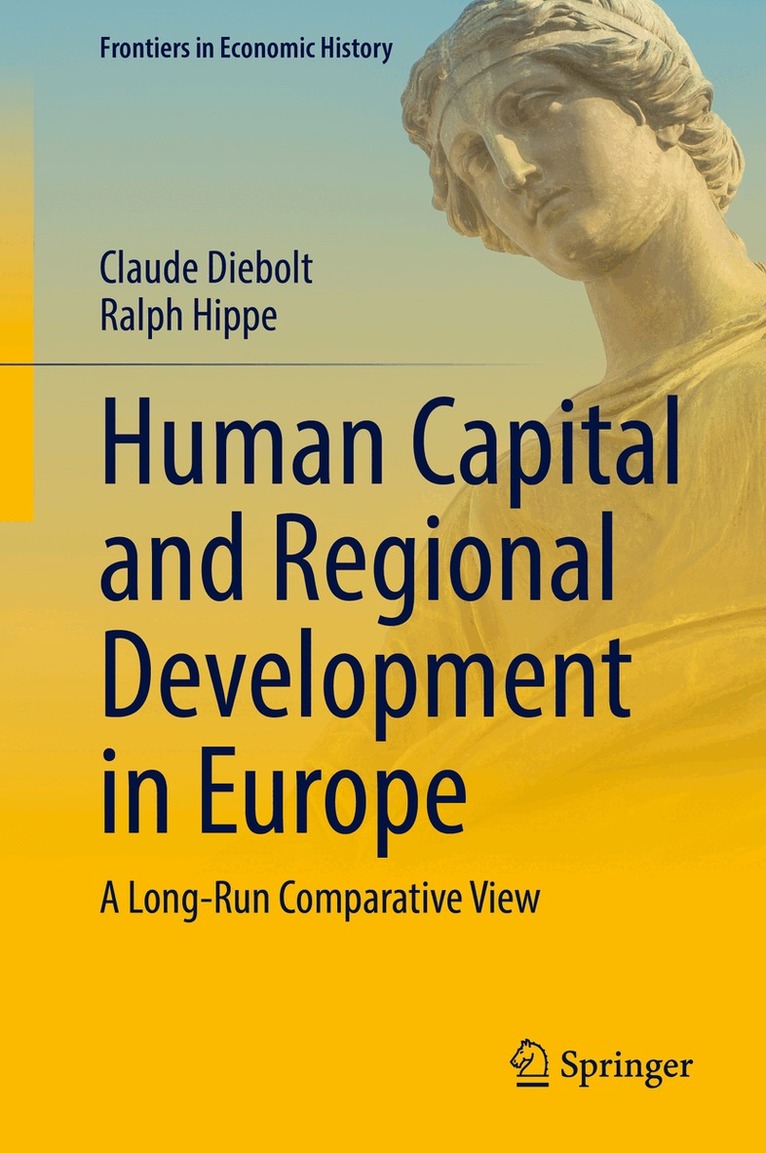
Human capital is of utmost importance for the future of our knowledge economies and societies. However, it is unequally distributed in Europe, contributing to marked spatial patterns of economic prosperity within and across countries. In many cases, these patterns have a long history. To understand them better, it requires to go back in time, when mass schooling was starting to become a reality across Europe. Taking a long-run perspective over more than 150 years, this book shows the development and the distribution of human capital in the regions of Europe and its connections with the economy. It provides insights into recent research findings in this area, including theoretical advances and the use of new empirical data.
E-bok
Engelska, 20221 250 kr
Läs direkt efter köp
Human capital is of utmost importance for the future of our knowledge economies and societies. However, it is unequally distributed in Europe, contributing to marked spatial patterns of economic prosperity within and across countries. In many cases, these patterns have a long history. To understand them better, it requires to go back in time, when mass schooling was starting to become a reality across Europe. Taking a long-run perspective over more than 150 years, this book shows the development and the distribution of human capital in the regions of Europe and its connections with the economy. It provides insights into recent research findings in this area, including theoretical advances and the use of new empirical data.
Häftad, Engelska, 2023
976 kr
Skickas inom 10-15 vardagar
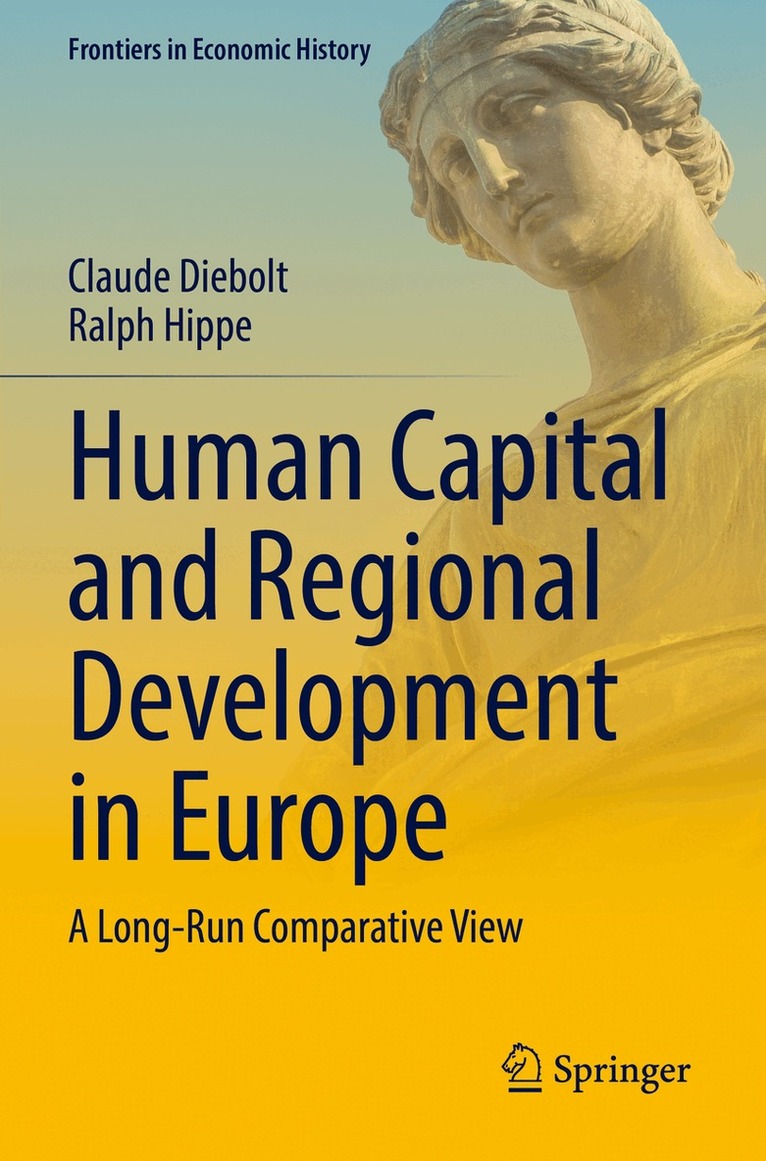
Human capital is of utmost importance for the future of our knowledge economies and societies. However, it is unequally distributed in Europe, contributing to marked spatial patterns of economic prosperity within and across countries. In many cases, these patterns have a long history. To understand them better, it requires to go back in time, when mass schooling was starting to become a reality across Europe. Taking a long-run perspective over more than 150 years, this book shows the development and the distribution of human capital in the regions of Europe and its connections with the economy. It provides insights into recent research findings in this area, including theoretical advances and the use of new empirical data.
Häftad, Tyska, 2017
300 kr
Skickas inom 10-15 vardagar
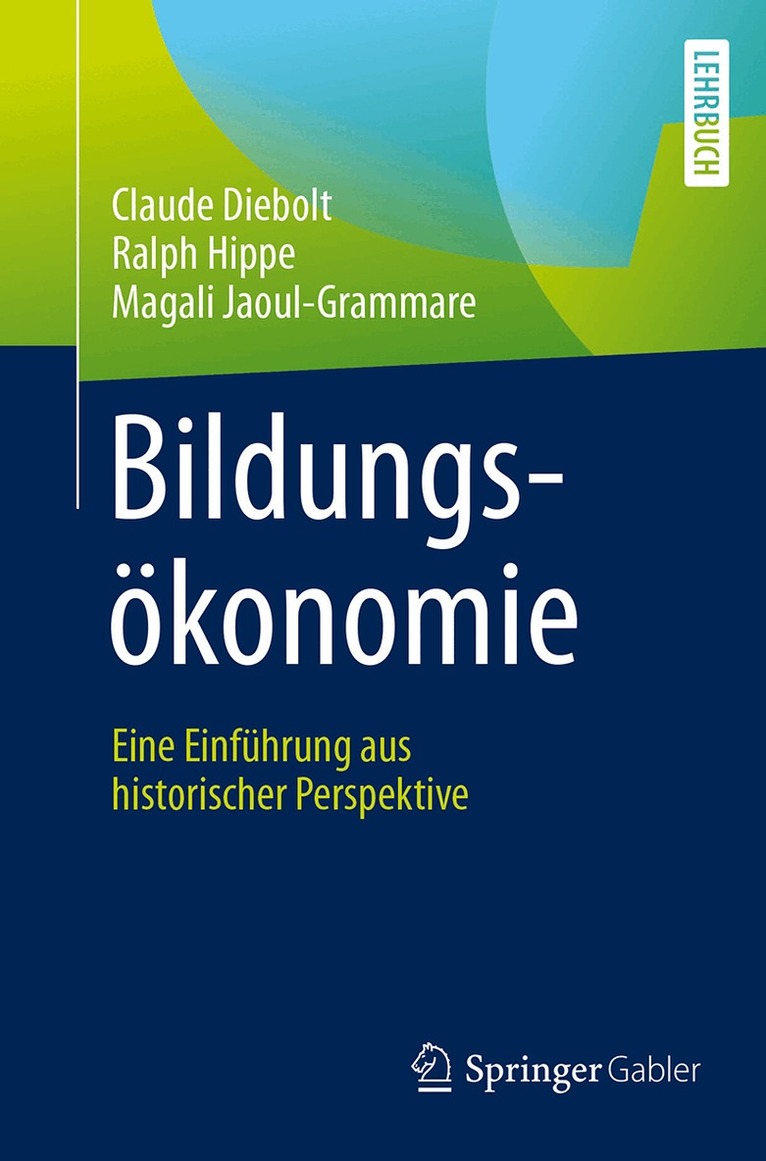
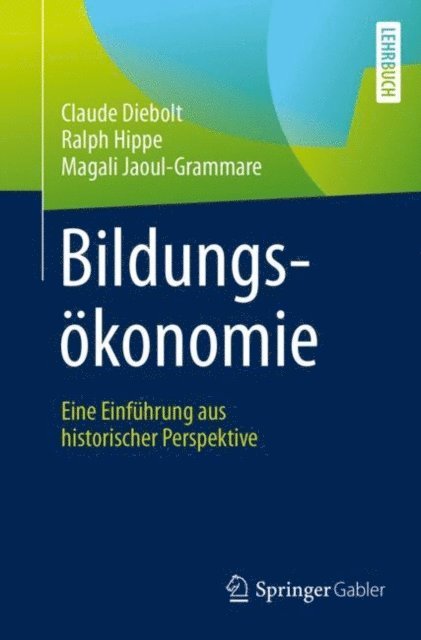
Dieses Lehrbuch über die Einführung in die Bildungsökonomie fasst die wichtigsten theoretischen und empirischen Arbeiten seit dem Entstehen des Forschungsfelds zusammen. Sie bietet damit einen kurzgehaltenen Überblick über die ökonomische Bedeutung der Bildung in ihren unterschiedlichen Ausprägungen. Sie ist ideal als Einstieg in diesen immer wichtiger werdenden Themenbereich geeignet. Darüber hinaus zeigt sie die sehr langfristige Bildungsentwicklung in Europa anhand neuester empirischer Daten auf. Der InhaltDie traditionelle HumankapitaltheorieDie konkurrierenden HumankapitaltheorienDie ArbeitsmarkttheorienDie Sichtweise der SoziologenDie Theorien der Anziehungskraft des ArbeitsmarktsHochschulsektor und GleichheitDie endogenen Wachstumstheorien Langfristiges Wachstum und BildungDie AutorenProf. Dr. Claude Diebolt ist CNRS Research Professor in Economics, esp. Cliometrics an der Universität Straßburg.Dr. Ralph Hippe ist Research Fellow im Joint Research Centre der Europäischen Kommission in Ispra.Dr. Magali Jaoul-Grammare ist CNRS Research Fellow in Economics an der Universität Straßburg.
E-bok
Tyska, 2017308 kr
Läs direkt efter köp
Dieses Lehrbuch über die Einführung in die Bildungsökonomie fasst die wichtigsten theoretischen und empirischen Arbeiten seit dem Entstehen des Forschungsfelds zusammen. Sie bietet damit einen kurzgehaltenen Überblick über die ökonomische Bedeutung der Bildung in ihren unterschiedlichen Ausprägungen. Sie ist ideal als Einstieg in diesen immer wichtiger werdenden Themenbereich geeignet. Darüber hinaus zeigt sie die sehr langfristige Bildungsentwicklung in Europa anhand neuester empirischer Daten auf. Der InhaltDie traditionelle HumankapitaltheorieDie konkurrierenden HumankapitaltheorienDie ArbeitsmarkttheorienDie Sichtweise der SoziologenDie Theorien der Anziehungskraft des ArbeitsmarktsHochschulsektor und GleichheitDie endogenen Wachstumstheorien Langfristiges Wachstum und BildungDie AutorenProf. Dr. Claude Diebolt ist CNRS Research Professor in Economics, esp. Cliometrics an der Universität Straßburg.
Dr. Ralph Hippe ist Research Fellow im Joint Research Centre der Europäischen Kommission in Ispra.
Dr. Magali Jaoul-Grammare ist CNRS Research Fellow in Economics an der Universität Straßburg.