Raluca Grosescu – författare
Visar alla böcker från författaren Raluca Grosescu. Handla med fri frakt och snabb leverans.
6 produkter
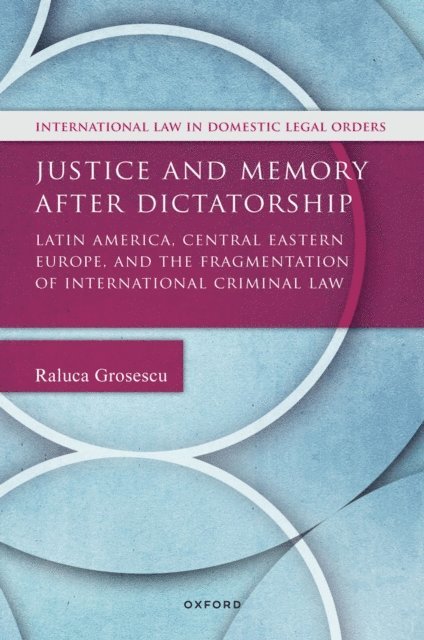
Justice and Memory after Dictatorship
Latin America, Central Eastern Europe, and the Fragmentation of International Criminal Law
E-bok, 2024
1181 kr
Lägg i varukorg
After the fall of military and communist dictatorships at the end of the 1980s, Latin American and Eastern European countries had to reckon with atrocities perpetrated by these Cold War regimes. Judges, prosecutors, and human rights campaigners across the two regions constructed novel readings of …
Justice and Memory after Dictatorship
Latin America, Central Eastern Europe, and the Fragmentation of International Criminal Law
E-bok, 2023
1181 kr
Lägg i varukorg
After the fall of military and communist dictatorships at the end of the 1980s, Latin American and Eastern European countries had to reckon with atrocities perpetrated by these Cold War regimes. Judges, prosecutors, and human rights campaigners across the two regions constructed novel readings of …
Justice and Memory after Dictatorship
Latin America, Central Eastern Europe, and the Fragmentation of International Criminal Law
Inbunden, 2024
1318 kr
Lägg i varukorg
After the fall of military and communist dictatorships at the end of the 1980s, Latin American and Eastern European countries had to reckon with atrocities perpetrated by these Cold War regimes. Judges, prosecutors, and human rights campaigners across the two regions constructed novel readings of …
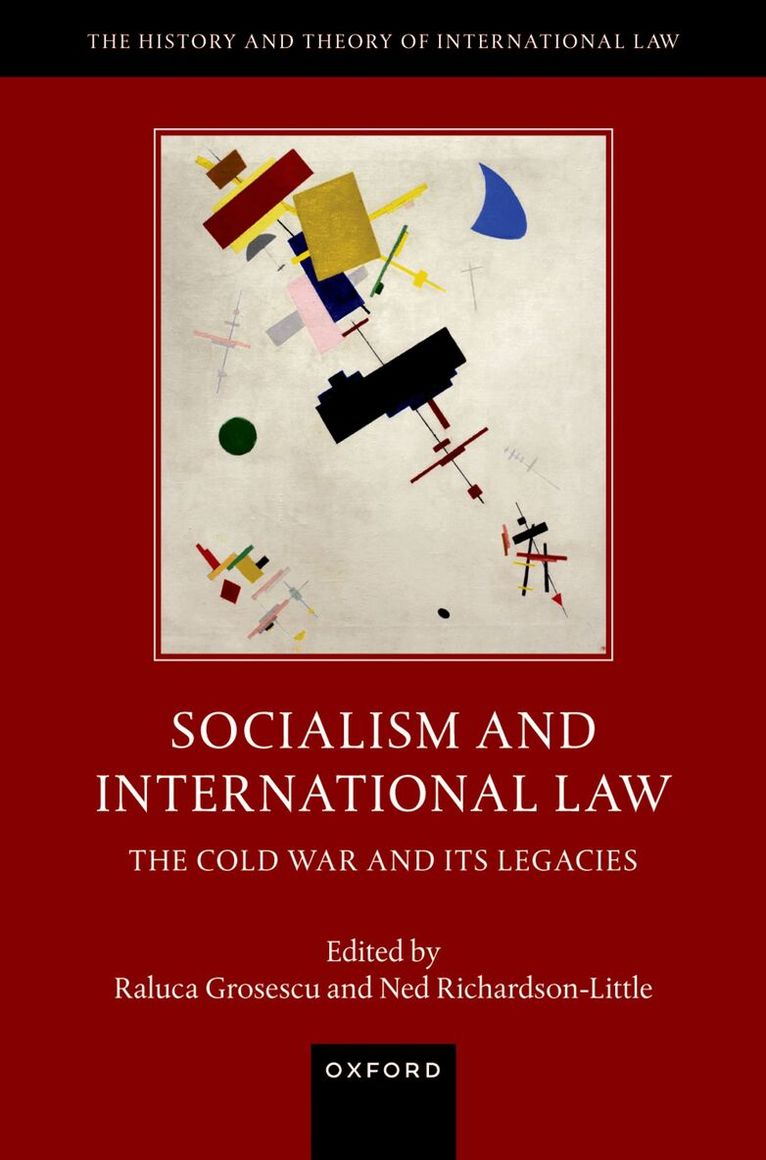
Socialism and International Law
The Cold War and Its Legacies
Av Raluca Grosescu, Ned Richardson-Little
Inbunden, 2024
1384 kr
Lägg i varukorg
The contributions of socialist thinkers and states to the development of international law often go unrecognized. Socialism and International Law: The Cold War and Its Legacies explores how socialist individuals and governments from Eastern Europe, Africa, and Asia made vital contributions to …
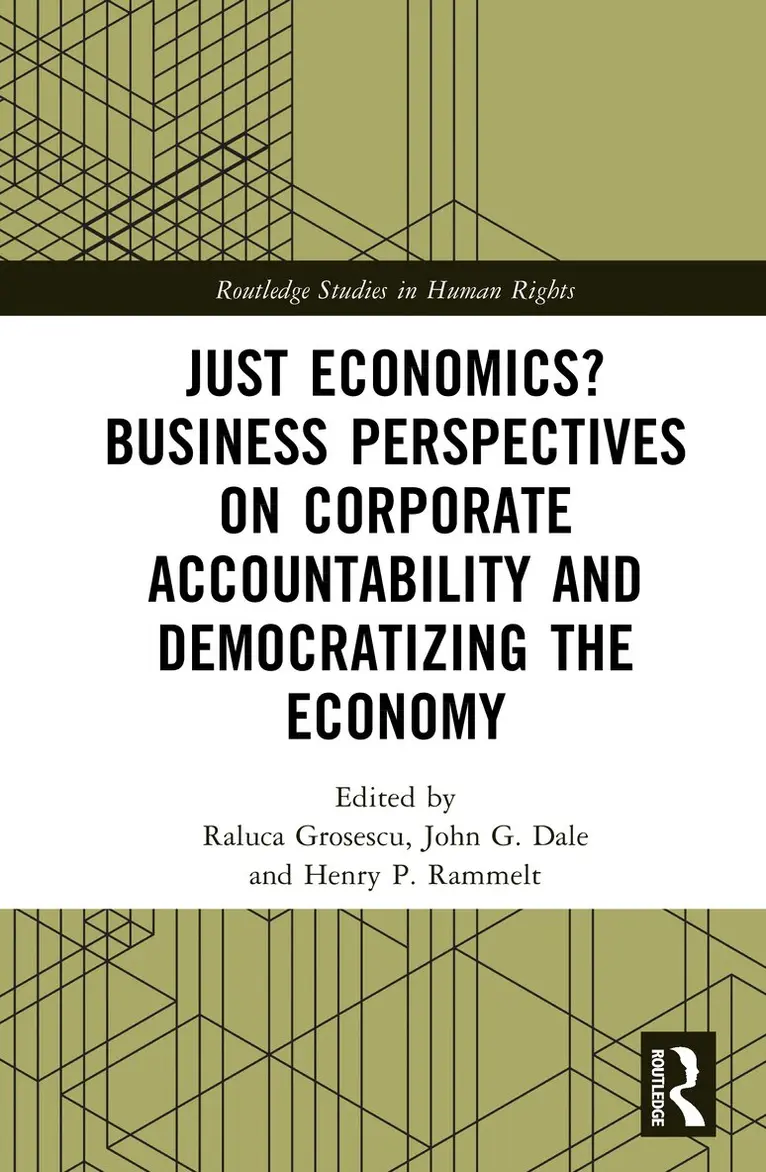
Just Economics? Business Perspectives on Corporate Accountability and Democratizing the Economy
Av Raluca Grosescu, John G. Dale m. fl.
Inbunden, 2026
2306 kr
Lägg i varukorg
This edited volume offers a fresh and critical perspective on how different business entities – from multinational corporations, to cooperatives, social enterprises, community wealth-building projects, activist hedge funds and Indigenous companies – envisage corporate accountability for human and …
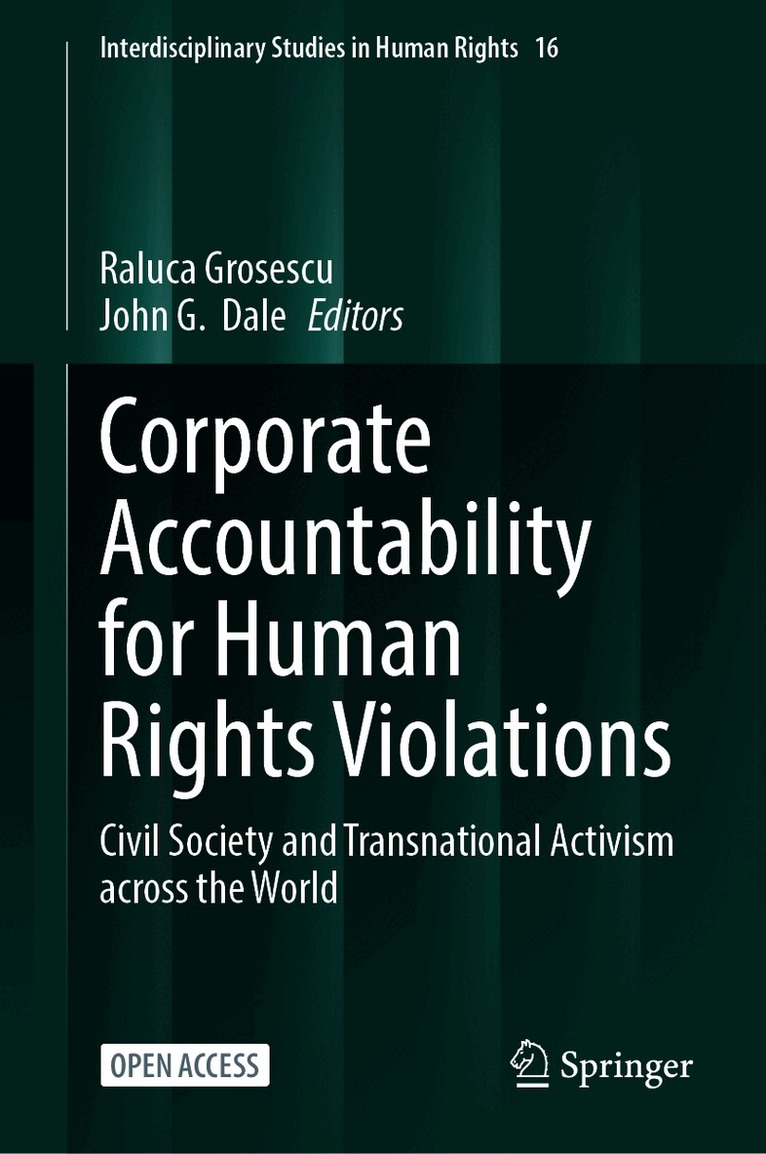
Corporate Accountability for Human Rights Violations
Civil Society and Transnational Activism across the World
Av Raluca Grosescu, John G. Dale
Inbunden, 2025
548 kr
Lägg i varukorg
This edited volume is the first collection to critically explore the role, limitations, and internal fragmentation of social activism for corporate accountability across Africa, the Americas, Asia, and Europe. It analyses a variety of NGOs, trade unions, and grassroots movements and their …