Ramachandra Guha – författare
Visar alla böcker från författaren Ramachandra Guha. Handla med fri frakt och snabb leverans.
40 produkter
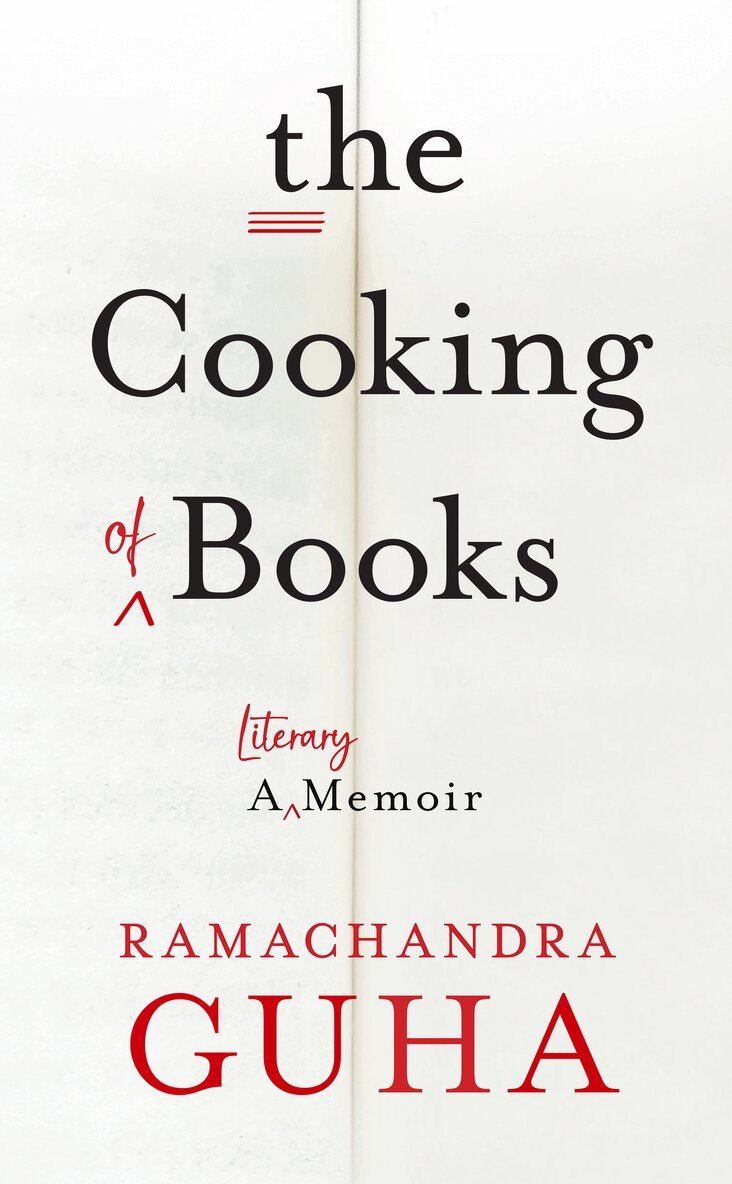
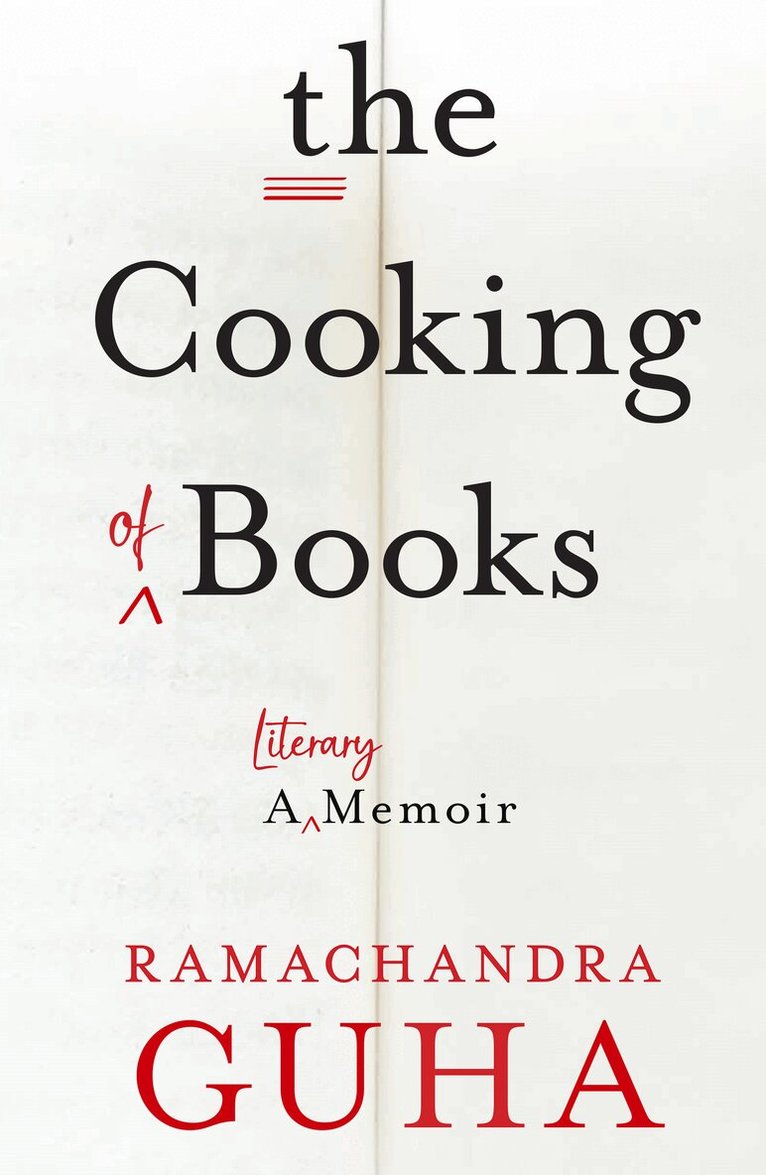
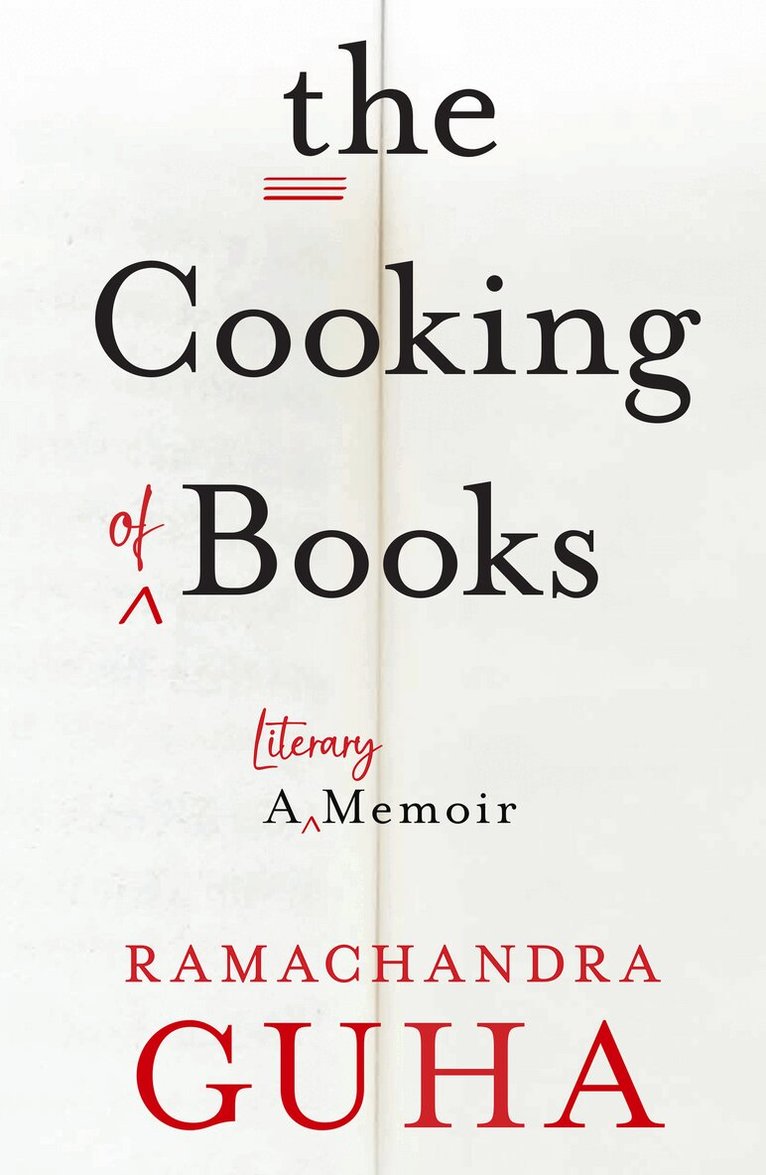
Cooking of Books
A Literary Memoir
Inbunden, 2024
310 kr
Lägg i varukorg
It is not often that an author and his editor strike up a relationship which survives forty years of epistolary exchanges and intellectual sparring. The strangely enduring and occasionally fractious friendship which developed between the famously outspoken historian Ramachandra Guha and his …
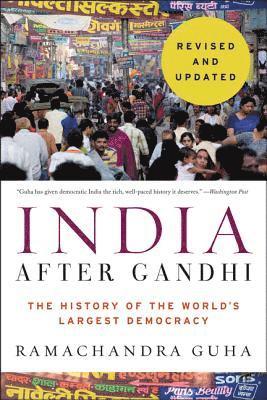
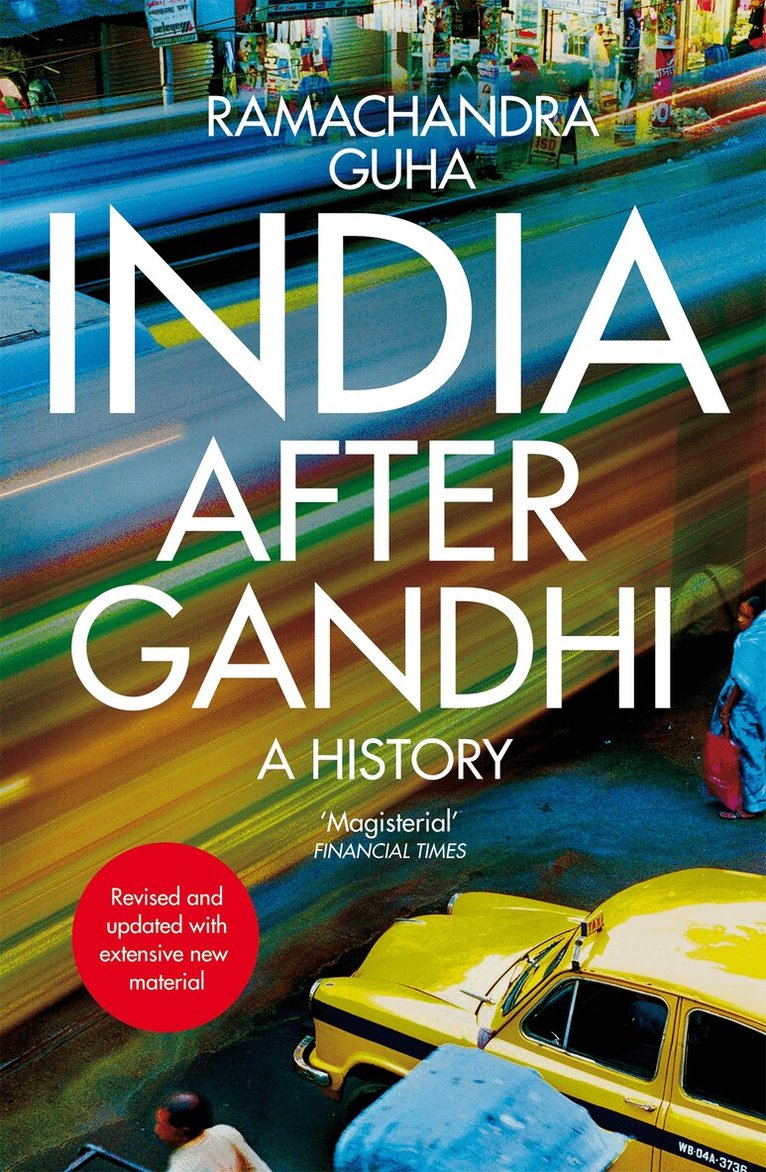
India After Gandhi
A History
Häftad, 2023
270 kr
Lägg i varukorg
'Magisterial' - The Financial TimesAn updated edition of Ramachandra Guha's India After Gandhi with new material that explains the major events, policy shifts and controversies of the past decade, placing them in their proper sociological and historical context and setting out the author's …
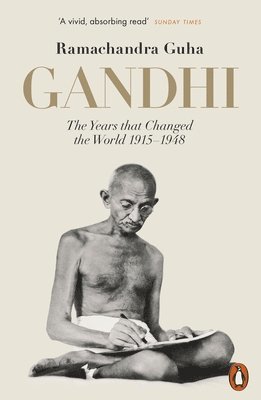
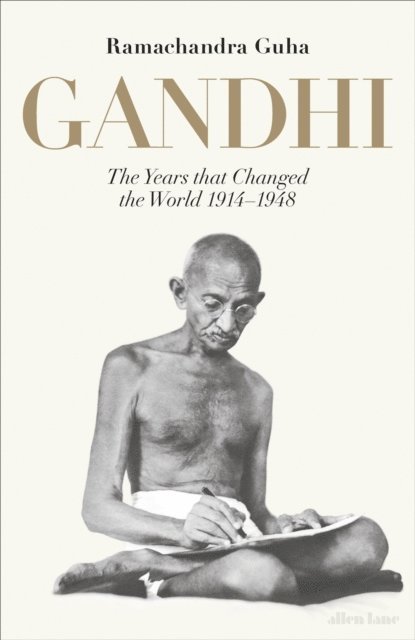
Gandhi 1914-1948
The Years That Changed the World
Häftad, 2019
254 kr
Lägg i varukorg
'Essential reading ... will not be bettered' Ferdinand Mount, Wall Street Journal'Gandhi's finest biographer' David Kynaston, GuardianThe magnificent new biography of Gandhi by India's leading historianA New York Times Notable Book of 2018Gandhi lived one of the great 20th-century lives. He …
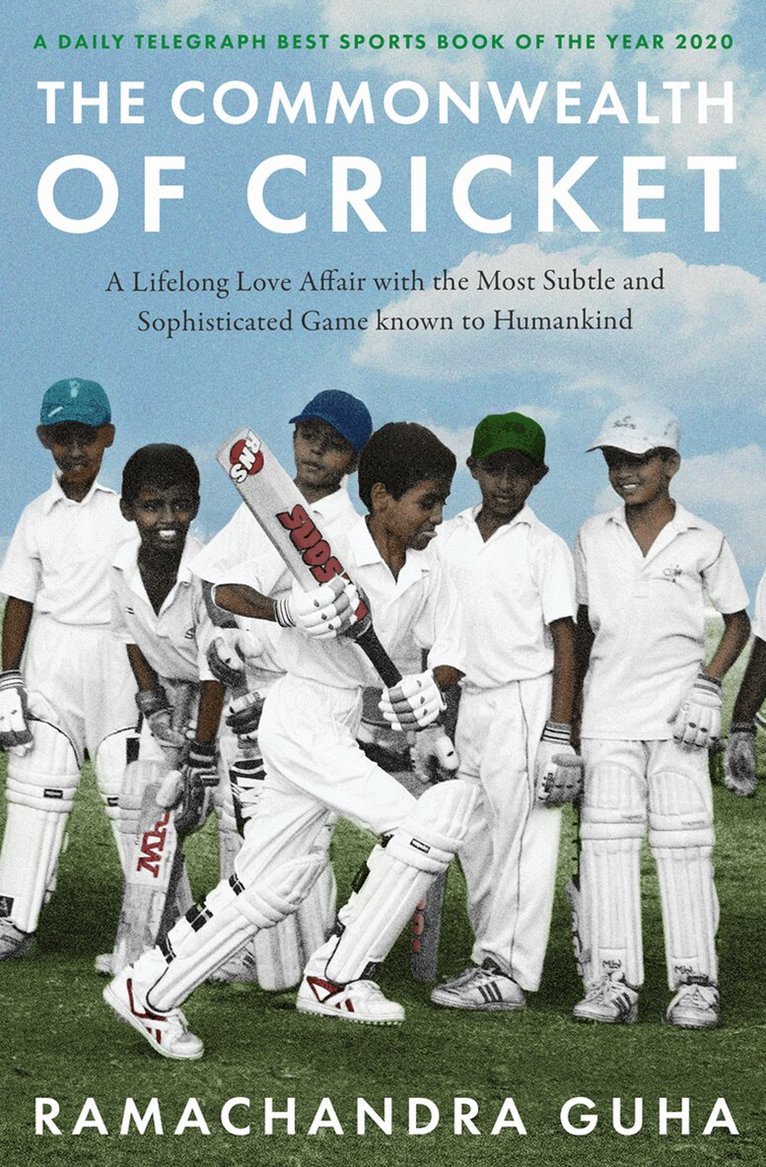
Commonwealth of Cricket
A Lifelong Love Affair with the Most Subtle and Sophisticated Game Known to Humankind
E-bok, 2020
79 kr
Lägg i varukorg
From one of India’s finest writers, thinkers and commentators, a memoir of a love affair with cricket.As a fan, player, writer, scholar, controversialist and administrator, Ram Guha has spent a life with cricket.In this book, Guha offers both a brilliantly charming memoir and a charter of the life …
The Commonwealth of Cricket
A Lifelong Love Affair with the Most Subtle and Sophisticated Game Known to Humankind
Ljudbok, 2020
273 kr
Lägg i varukorg
From one of India’s finest writers, thinkers and commentators, a memoir of a love affair with cricket.As a fan, player, writer, scholar, controversialist and administrator, Ram Guha has spent a life with cricket.In this book, Guha offers both a brilliantly charming memoir and a charter of the life …
Commonwealth of Cricket
A Lifelong Love Affair with the Most Subtle and Sophisticated Game Known to Humankind
Häftad, 2021
129 kr
Lägg i varukorg
From one of India’s finest writers, thinkers and commentators, a memoir of a love affair with cricket.As a fan, player, writer, scholar, controversialist and administrator, Ram Guha has spent a life with cricket.In this book, Guha offers both a brilliantly charming memoir and a charter of the life …
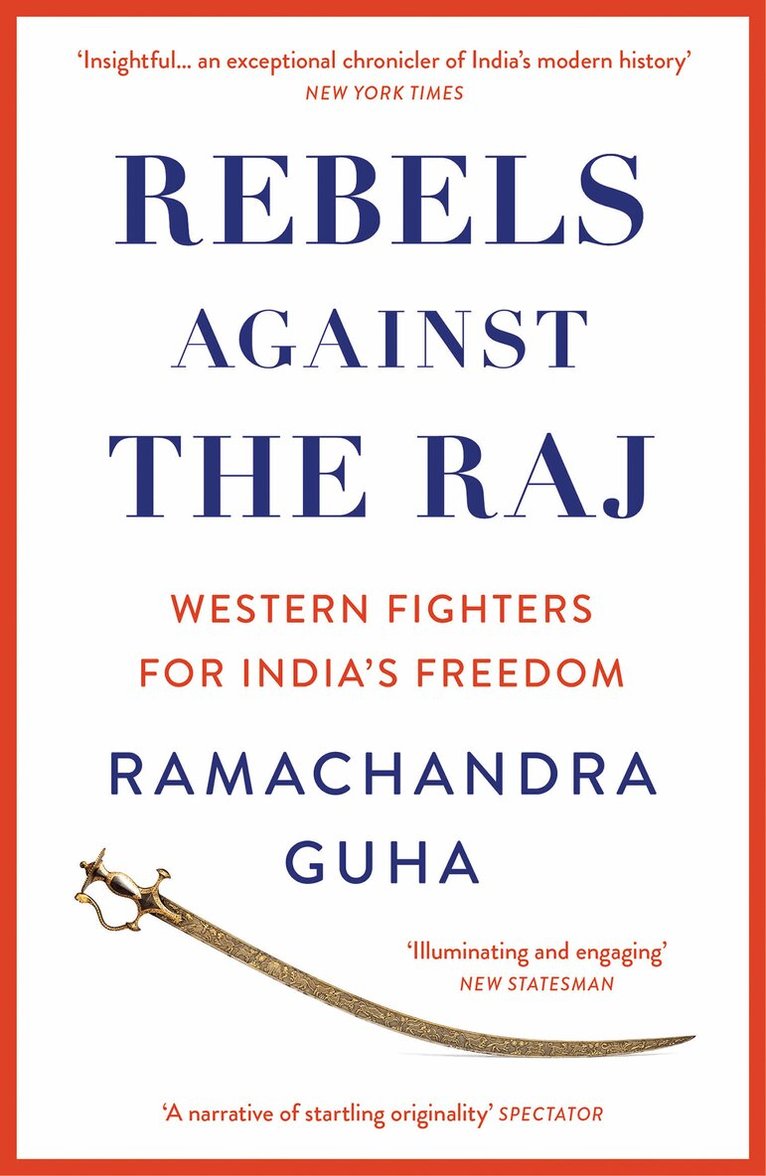
Rebels Against the Raj
Western Fighters for India’s Freedom
Inbunden, 2022
295 kr
Lägg i varukorg
WINNER OF THE ELIZABETH LONGFORD PRIZE FOR HISTORICAL BIOGRAPHY ‘A narrative of startling originality … As discussions of Britain’s colonial legacy become increasingly polarised, we are in ever more need of nuanced books like this one’ SAM DALRYMPLE, SPECTATOR Rebels Against the Raj tells the …
Rebels Against the Raj
Western Fighters for India’s Freedom
E-bok, 2022
88 kr
Lägg i varukorg
WINNER OF THE ELIZABETH LONGFORD PRIZE FOR HISTORICAL BIOGRAPHY ‘A narrative of startling originality … As discussions of Britain’s colonial legacy become increasingly polarised, we are in ever more need of nuanced books like this one’ SAM DALRYMPLE, SPECTATOR Rebels Against the Raj tells the …
Rebels Against the Raj
Western Fighters for India’s Freedom
Ljudbok, 2022
257 kr
Lägg i varukorg
WINNER OF THE ELIZABETH LONGFORD PRIZE FOR HISTORICAL BIOGRAPHY‘A narrative of startling originality … As discussions of Britain’s colonial legacy become increasingly polarised, we are in ever more need of nuanced books like this one’ SAM DALRYMPLE, SPECTATORRebels Against the Raj tells the …
Rebels Against the Raj
Western Fighters for India’s Freedom
Häftad, 2023
137 kr
Lägg i varukorg
WINNER OF THE ELIZABETH LONGFORD PRIZE FOR HISTORICAL BIOGRAPHY ‘A narrative of startling originality … As discussions of Britain’s colonial legacy become increasingly polarised, we are in ever more need of nuanced books like this one’ SAM DALRYMPLE, SPECTATOR Rebels Against the Raj tells the …
Cooking of Books
A Literary Memoir
E-bok, 2024
88 kr
Lägg i varukorg
It is not often that an author and his editor strike up a relationship which survives forty years of epistolary exchanges and intellectual sparring. The strangely enduring and occasionally fractious friendship which developed between the famously outspoken historian Ramachandra Guha and his …
The Cooking of Books
A Literary Memoir
Ljudbok, 2024
243 kr
Lägg i varukorg
It is not often that an author and his editor strike up a relationship which survives forty years of epistolary exchanges and intellectual sparring. The strangely enduring and occasionally fractious friendship which developed between the famously outspoken historian Ramachandra Guha and his …
Cooking of Books
A Literary Memoir
Häftad, 2025
138 kr
Lägg i varukorg
It is not often that an author and his editor strike up a relationship which survives forty years of epistolary exchanges and intellectual sparring. The strangely enduring and occasionally fractious friendship which developed between the famously outspoken historian Ramachandra Guha and his …
Arguments with Gandhi
Inbunden, 2027
310 kr
Kommande
In Arguments with Gandhi, Ramachandra Guha uses the legacy of Mahatma Gandhi to present a moral and political history of the modern world.The Gandhi of this book is a compelling as well as controversial figure, whose ideas on non-violence, social justice, religious harmony and economic policy have …
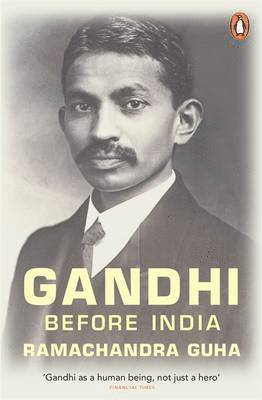
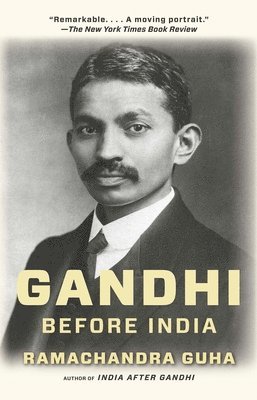
Gandhi Before India
Häftad, 2014
221 kr
Lägg i varukorg
The definitive life of one of the most remarkable figures of the 20th centuryNew York Times Book Review Books of the Year 2014In this fascinating new biography Ramachandra Guha allows us to understand the personality and politics of Mohandas Gandhi as never before. Showing that Gandhi's ideas were …
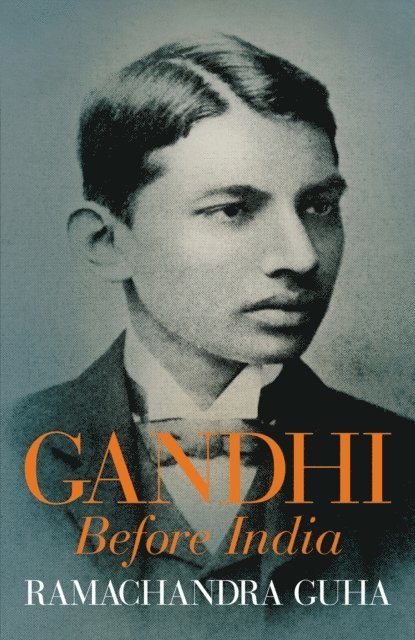
Gandhi Before India
E-bok, 2013
125 kr
Lägg i varukorg
The first volume of the definitive biography of Gandhi, one of the most remarkable figures of the 20th century, from the great historian Ramachandra GuhaThe life of Mohandas Gandhi is one of the most remarkable and potent in the modern era. In this fascinating new biography Ramachandra Guha allows …
Gandhi 1914-1948
The Years That Changed the World
E-bok, 2018
147 kr
Lägg i varukorg
'A vivid, absorbing read' Sunday Times'Magisterial' Literary ReviewThe magnificent new biography of Gandhi by India's leading historianA New York Times Notable Book of 2018Gandhi lived one of the great 20th-century lives. He inspired and enraged, challenged and galvanized many millions of men and …
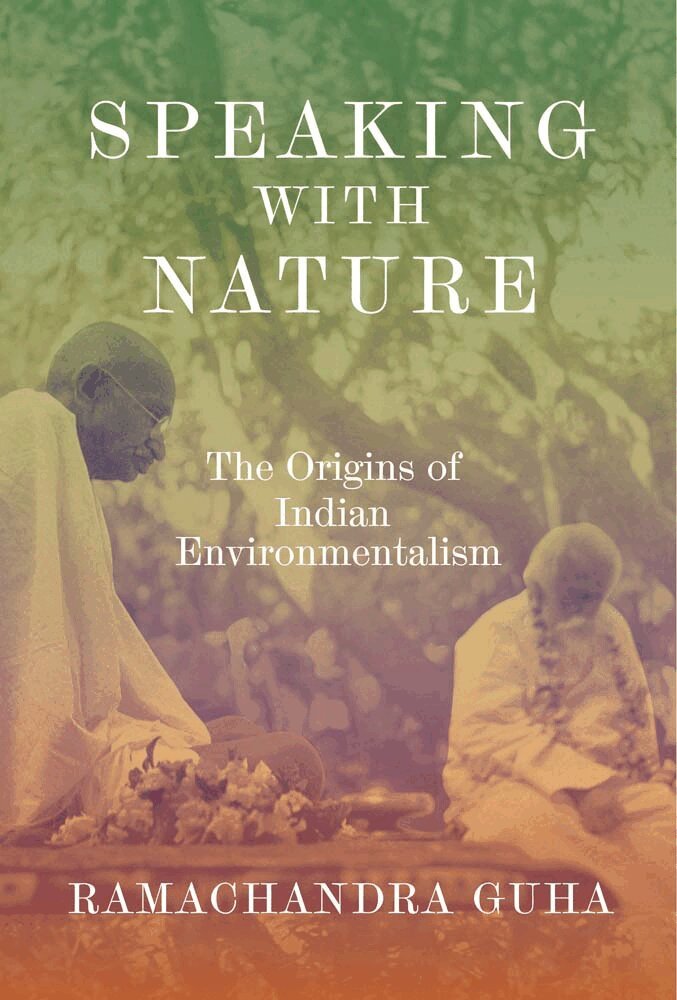
Speaking with Nature
The Origins of Indian Environmentalism
Inbunden, 2024
390 kr
Lägg i varukorg
From one of the world’s leading historians comes the first substantial study of environmentalism set in any country outside the Euro-American world By the canons of orthodox social science, countries like India are not supposed to have an environmental consciousness. They are, as it were, “too poor …
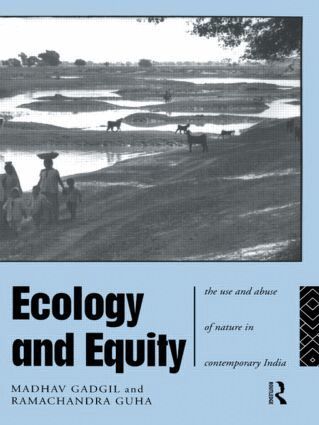
Ecology and Equity
The Use and Abuse of Nature in Contemporary India
Av Madhav Gadgil, Ramachandra Guha
Inbunden, 1995
2510 kr
Lägg i varukorg
Environmental destruction is seen a matter of worldwide concern but as a Third World problem.Ecology and Equity explores the most ecologically complex country in the world. India's peoples range from technocrats to hunter-gathers and its environments from dense forest to wasteland. The bookanalyses …
Ecology and Equity
The Use and Abuse of Nature in Contemporary India
Av Madhav Gadgil, Ramachandra Guha
Häftad, 1995
1288 kr
Lägg i varukorg
Environmental destruction is seen a matter of worldwide concern but as a Third World problem.Ecology and Equity explores the most ecologically complex country in the world. India's peoples range from technocrats to hunter-gathers and its environments from dense forest to wasteland. The bookanalyses …
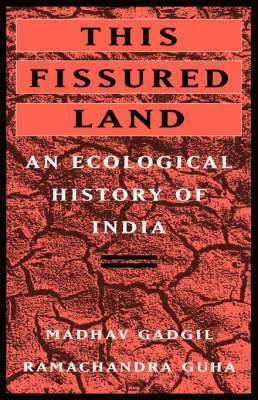
This Fissured Land: An Ecological History of India
Av Madhav Gadgil, Ramachandra Guha
Häftad
597 kr
Lägg i varukorg
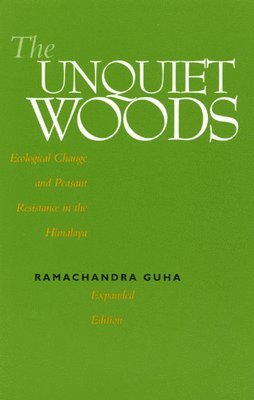
Unquiet Woods
Ecological Change and Peasant Resistance in the Himalaya
Häftad, 2000
400 kr
Lägg i varukorg
Expanded Edition This new, expanded edition of The Unquiet Woods, Ramachandra Guha's pathbreaking study of peasant movements against commercial forestry, offers a new epilogue that brings the story of Himalayan social protest up-to-date, reflecting the Chipko movement's continuing influence in the …
How Much Should a Person Consume?
Environmentalism in India and the United States
Häftad, 2006
443 kr
Lägg i varukorg
Based on research conducted over two decades, this accessible and deeply felt book provides a provocative comparative history of environmentalism in two large ecologically and culturally diverse democracies--India and the United States. Ramachandra Guha takes as his point of departure the dominant …
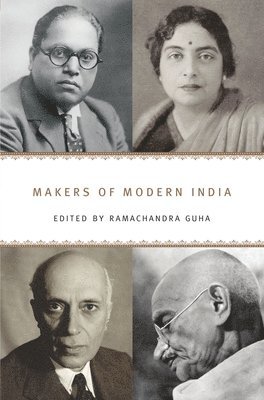
Makers of Modern India
Häftad, 2013
272 kr
Lägg i varukorg
Modern India is the world's largest democracy, a sprawling, polyglot nation containing one-sixth of all humankind. The existence of such a complex and distinctive democratic regime qualifies as one of the world's bona fide political miracles. Furthermore, India's leading political thinkers have …
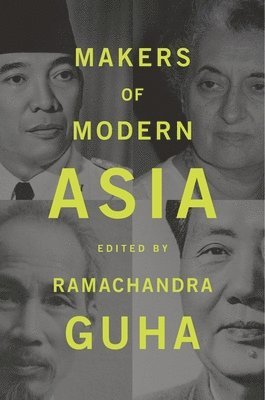
Makers of Modern Asia
Häftad, 2016
334 kr
Lägg i varukorg
Hardly more than a decade old, the twenty-first century has already been dubbed the Asian Century in recognition of China and India’s increasing importance in world affairs. Yet discussions of Asia seem fixated on economic indicators—gross national product, per capita income, share of global trade. …
India After Gandhi
A History
E-bok, 2023
268 kr
Lägg i varukorg
'Magisterial' - The Financial TimesAn updated edition of Ramachandra Guha's India After Gandhi with new material that explains the major events, policy shifts and controversies of the past decade, placing them in their proper sociological and historical context and setting out the author's …
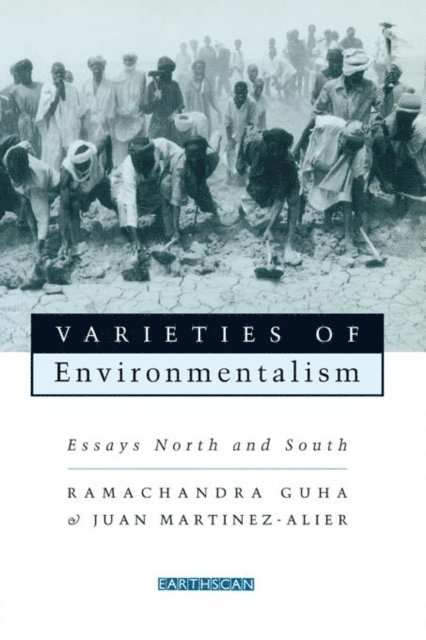
Varieties of Environmentalism
Essays North and South
Av Joan Martinez Alier, Ramachandra Guha
E-bok, 2013
814 kr
Lägg i varukorg
Until very recently, studies of the environmental movement have been heavily biased towards the North Atlantic worlds. There was a common assumption amongst historians and sociologists that concerns over such issues as conservation or biodiversity were the exclusive preserve of the affluent …
Varieties of Environmentalism
Essays North and South
Av Joan Martinez Alier, Ramachandra Guha
E-bok, 2013
814 kr
Lägg i varukorg
Until very recently, studies of the environmental movement have been heavily biased towards the North Atlantic worlds. There was a common assumption amongst historians and sociologists that concerns over such issues as conservation or biodiversity were the exclusive preserve of the affluent …