Ramazan Hakkı Öztan - Böcker
Visar alla böcker från författaren Ramazan Hakkı Öztan. Handla med fri frakt och snabb leverans.
4 produkter
4 produkter
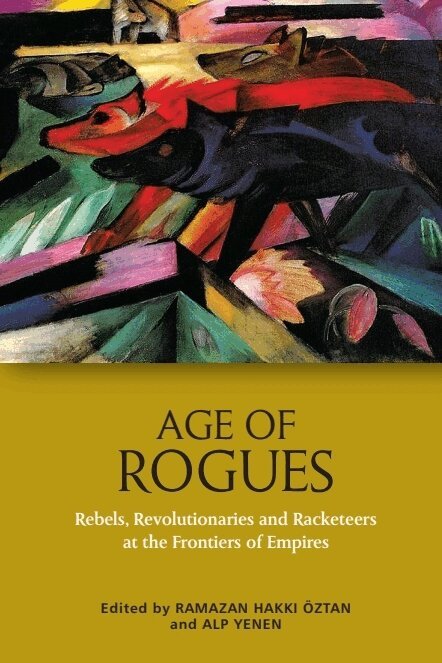
Age of Rogues
Rebels, Revolutionaries and Racketeers at the Frontiers of Empires
Inbunden, Engelska, 2021
1 368 kr
Skickas inom 7-10 vardagar
In Age of Rogues, leading scholars engage with themes of historical and cultural legacies, contentious interactions within imperial regimes, and the biographical trajectory of men and women who challenged the political status quo of their time. Rebels, revolutionaries and racketeers played central roles in the violent process of imperial disintegration as it unfolded in the frontiers of the Ottoman, Habsburg, Romanov and Qajar empires. This is a history of these transgressive actors from the late-19th century to the interwar years. This time was marked by similar, if not shared, revolutionary experiences and repertoires of contention across the connected geography of the Balkans, the Middle East and the Caucasus.
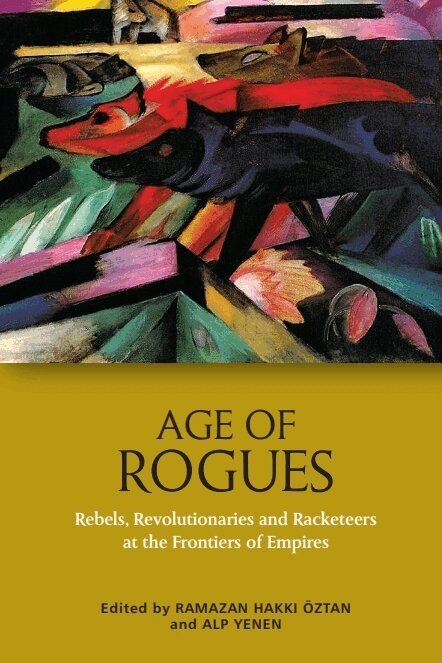
Age of Rogues
Rebels, Revolutionaries and Racketeers at the Frontiers of Empires
Häftad, Engelska, 2023
726 kr
Skickas inom 3-6 vardagar
Studies the frontier cultures of revolution that shaped the making of the modern Middle EastUses a novel conceptual framework that charts the rise of transgressive politics in the frontiers of empiresIncludes a variety of biographical approaches to the key disruptive figures during the crisis of imperial and post-imperial regimes in the regionRepresents a connected geography of imperial collapse and nation-state formation in 12 case study chaptersEngages with scholarship on intercommunal violence, revolutionary politics, and subaltern agencyIn Age of Rogues, leading scholars engage with themes of historical and cultural legacies, contentious interactions within imperial regimes, and the biographical trajectory of men and women who challenged the political status quo of their time.Rebels, revolutionaries and racketeers played central roles in the violent process of imperial disintegration as it unfolded in the frontiers of the Ottoman, Habsburg, Romanov and Qajar empires. This is a history of these transgressive actors from the late-19th century to the interwar years. This time was marked by similar, if not shared, revolutionary experiences and repertoires of contention across the connected geography of the Balkans, the Middle East and the Caucasus.
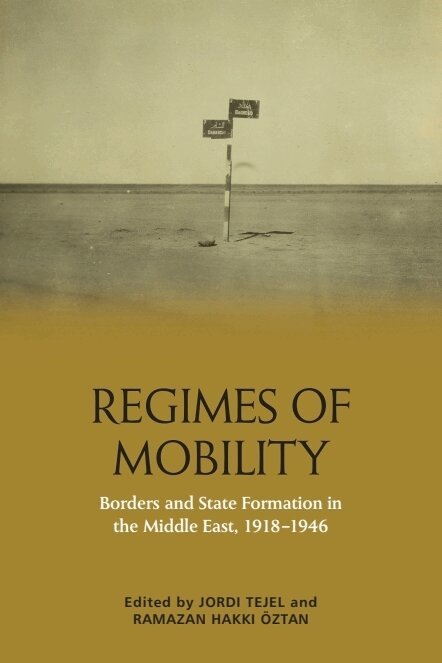
Regimes of Mobility
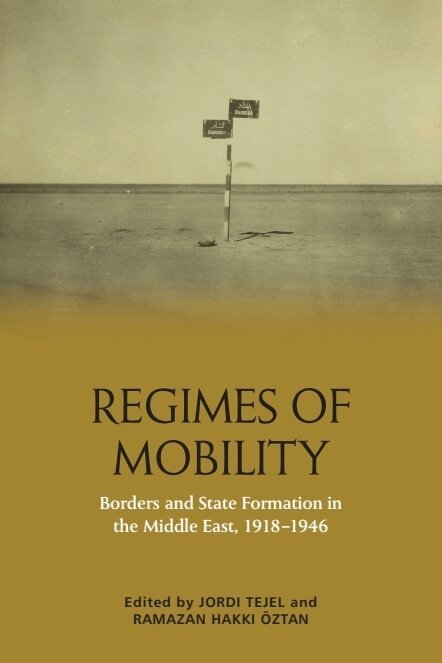
Borders and State Formation in the Middle East, 1918-1946
Inbunden, Engelska, 2022
2 085 kr
Skickas inom 3-6 vardagar
The emergence of the modern Middle East is the result of three complementary historical developments: the disintegration of the Ottoman Empire, the institution of British and French control in its stead and the nationalist challenges to this colonial scramble. The introduction of international borders that accompanied this process is commonly portrayed as the drawing of lines in the sand, an artificial partitioning that brought diplomatic closure to an otherwise contested historical space. For the past two decades, insights gained from the burgeoning field of borderlands studies have enabled a new generation of scholars to challenge such popular depictions. For them, the region's borderlands were not sites of peripheral activity, but rather liminal spaces criss-crossed by global flows and circulations central to state- and nation-formation across the Middle East. Regimes of Mobility offers a select number of case studies that highlight the connectedness of the politics of borderlands throughout the interwar Middle East.
597 kr
Skickas inom 3-6 vardagar
Reinterprets the making of the modern Middle East by studying its borderlands Evidence-driven case studies cover borderlands in Turkey, Iraq, Syria, Palestine and Transjordan Informed by discussions in borderland and mobility studies, and by global and environmental history Brings late Ottomanists into conversation with historians of the interwar Middle East For the past two decades, insights gained from the burgeoning field of borderlands studies have enabled a new generation of scholars to challenge popular depictions of the emergence of the modern Middle East. For them, the region's borderlands were not just mere sites of peripheral activity, but rather liminal spaces criss-crossed by global flows and circulations central to state- and nation-formation across the Middle East. Regimes of Mobility offers a select number of case studies that highlight the connectedness of the politics of borderlands throughout the interwar Middle East. The emergence of the modern Middle East is the result of three complementary historical developments: the disintegration of the Ottoman Empire, the institution of British and French control in its stead and the nationalist challenges to this colonial scramble. The introduction of international borders that accompanied this process is commonly portrayed as the drawing of lines in the sand, an artificial partitioning that brought diplomatic closure to an otherwise contested historical space.