Ramesh Chandra Das – författare
2 259 kr
Skickas inom 10-15 vardagar
752 kr
Läs direkt efter köp
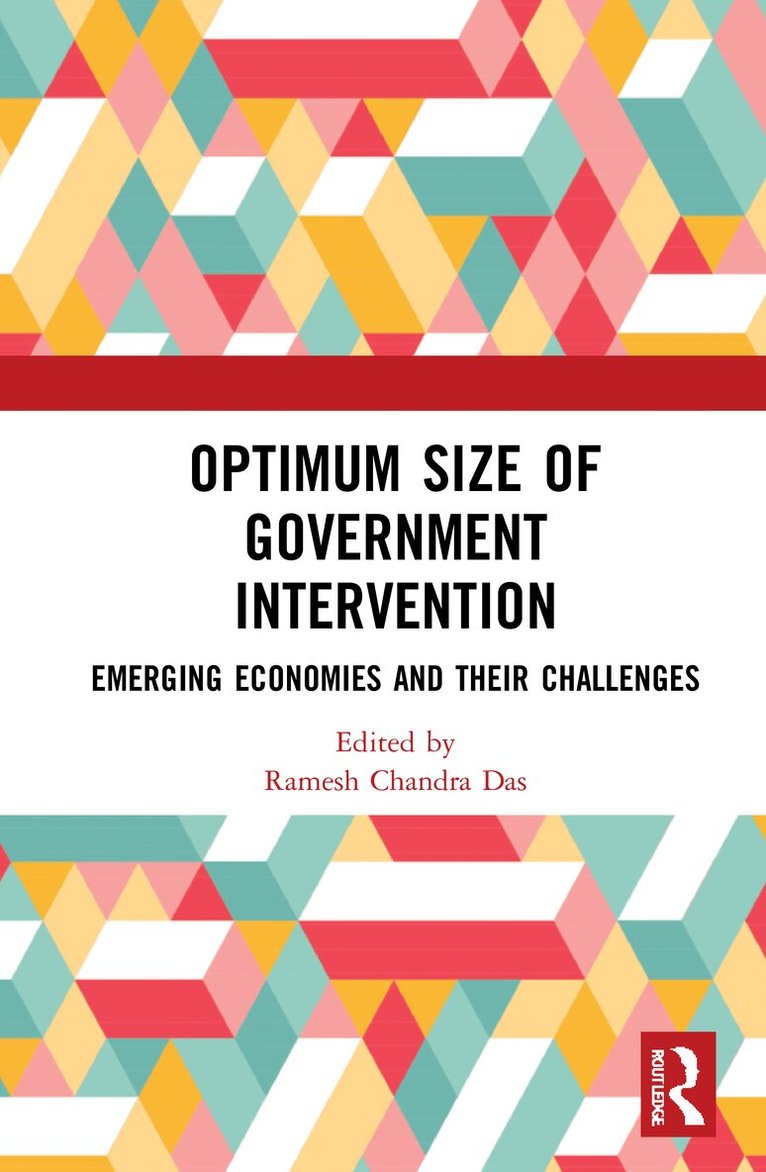
This book critically examines the optimum range and duration of government interventions in the economic activities of a modern state based on theoretical and empirical frameworks, and assesses their role and extent in various economies. With a special focus on emerging economies across the globe, it discusses themes such as income growth; social sector development; good governance and economic progress; threshold limits; optimum budget policy and economic growth; sustainable distributional managements in public projects; food for work programs; agricultural infrastructure development; technological progress and economic growth; and distributional equities. The policy suggestions provided here offer helpful blueprints for developmental projects.
Rich in data and figures, the book addresses sector-specific case studies like healthcare; irrigation and agriculture; infrastructure; taxation and economic growth; and public sector enterprises. It will be an excellent read for scholars and researchers of economics, Indian economics, macroeconomics, political economy, public policy, political science and management, development studies, development economy and governance. It will also be useful to policymakers, administrative officials, and government and corporate bodies.
752 kr
Läs direkt efter köp
This book critically examines the optimum range and duration of government interventions in the economic activities of a modern state based on theoretical and empirical frameworks, and assesses their role and extent in various economies. With a special focus on emerging economies across the globe, it discusses themes such as income growth; social sector development; good governance and economic progress; threshold limits; optimum budget policy and economic growth; sustainable distributional managements in public projects; food for work programs; agricultural infrastructure development; technological progress and economic growth; and distributional equities. The policy suggestions provided here offer helpful blueprints for developmental projects.
Rich in data and figures, the book addresses sector-specific case studies like healthcare; irrigation and agriculture; infrastructure; taxation and economic growth; and public sector enterprises. It will be an excellent read for scholars and researchers of economics, Indian economics, macroeconomics, political economy, public policy, political science and management, development studies, development economy and governance. It will also be useful to policymakers, administrative officials, and government and corporate bodies.
688 kr
Läs direkt efter köp
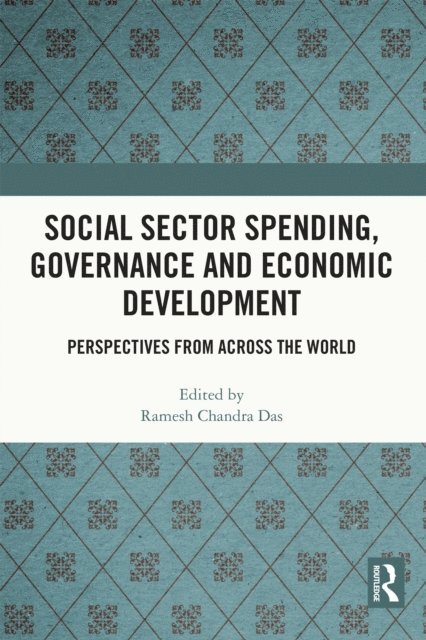
Economic development depends heavily on the growth of social sectors like education, healthcare, gender equality, as well as factors like income, consumption, investment and trade. This book examines the interlinkages between development, good governance and spending on social growth.
The book focuses on different areas of social growth, public welfare and poverty reduction including managing human resources, corruption in public institutions and public spaces as well as health and welfare measures. The chapters in the volume highlight the role of government interventions in boosting human development – particularly in developing countries in Asia and Africa and many developed countries in the post-COVID scenario. The book also examines the foundations of government spending on development and effective governance while underlining the impact which social growth has on the economy.
Rich in theoretical and empirical perspectives, this book will be useful for students and researchers of economics, sociology, political studies, public finance, development studies as well as for policymakers and think tanks working in the areas of human development.
706 kr
Läs direkt efter köp
Economic development depends heavily on the growth of social sectors like education, healthcare, gender equality, as well as factors like income, consumption, investment and trade. This book examines the interlinkages between development, good governance and spending on social growth.
The book focuses on different areas of social growth, public welfare and poverty reduction including managing human resources, corruption in public institutions and public spaces as well as health and welfare measures. The chapters in the volume highlight the role of government interventions in boosting human development – particularly in developing countries in Asia and Africa and many developed countries in the post-COVID scenario. The book also examines the foundations of government spending on development and effective governance while underlining the impact which social growth has on the economy.
Rich in theoretical and empirical perspectives, this book will be useful for students and researchers of economics, sociology, political studies, public finance, development studies as well as for policymakers and think tanks working in the areas of human development.
706 kr
Läs direkt efter köp
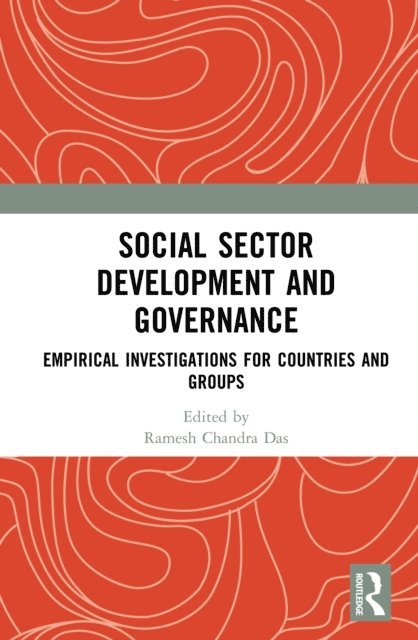
This volume explores the impact of good governance upon social sectors’ development in India and other selected economies of the world.
Economic development in the true sense depends on the development of different social sectors like education, healthcare, gender equality, etc., as well as economic factors. Good governance makes the sectors perform well on the one hand, and helps in economic growth and development on the other. Conversely, bad or weak governance in the form of corruption and low effectiveness of the governments, may lead to poor performance of the sectors, and low growth and backwardness of the economies. This book explores the associations between different social sectors’ performances with quality of governance, and growth and development of different economies and groups in detail and establishes theoretical and empirical examinations for the individual economies and groups from the different corners of the globe with the help of new theories and latest data.
This book will be useful for students and researchers in the fields of Economics, Sociology, Political Studies, Public Finance, International Relations, Social Sciences as well as policy makers and think tanks.
688 kr
Läs direkt efter köp
This volume explores the impact of good governance upon social sectors’ development in India and other selected economies of the world.
Economic development in the true sense depends on the development of different social sectors like education, healthcare, gender equality, etc., as well as economic factors. Good governance makes the sectors perform well on the one hand, and helps in economic growth and development on the other. Conversely, bad or weak governance in the form of corruption and low effectiveness of the governments, may lead to poor performance of the sectors, and low growth and backwardness of the economies. This book explores the associations between different social sectors’ performances with quality of governance, and growth and development of different economies and groups in detail and establishes theoretical and empirical examinations for the individual economies and groups from the different corners of the globe with the help of new theories and latest data.
This book will be useful for students and researchers in the fields of Economics, Sociology, Political Studies, Public Finance, International Relations, Social Sciences as well as policy makers and think tanks.
661 kr
Skickas inom 10-15 vardagar
2 193 kr
Skickas inom 10-15 vardagar
1 911 kr
Skickas inom 10-15 vardagar
599 kr
Skickas inom 10-15 vardagar
599 kr
Skickas inom 10-15 vardagar
2 259 kr
Skickas inom 10-15 vardagar
675 kr
Skickas inom 10-15 vardagar
2 506 kr
Skickas inom 10-15 vardagar
2 433 kr
Skickas inom 10-15 vardagar
2 264 kr
Skickas inom 10-15 vardagar
567 kr
Skickas
599 kr
Skickas inom 10-15 vardagar
628 kr
Skickas inom 10-15 vardagar
698 kr
Läs direkt efter köp
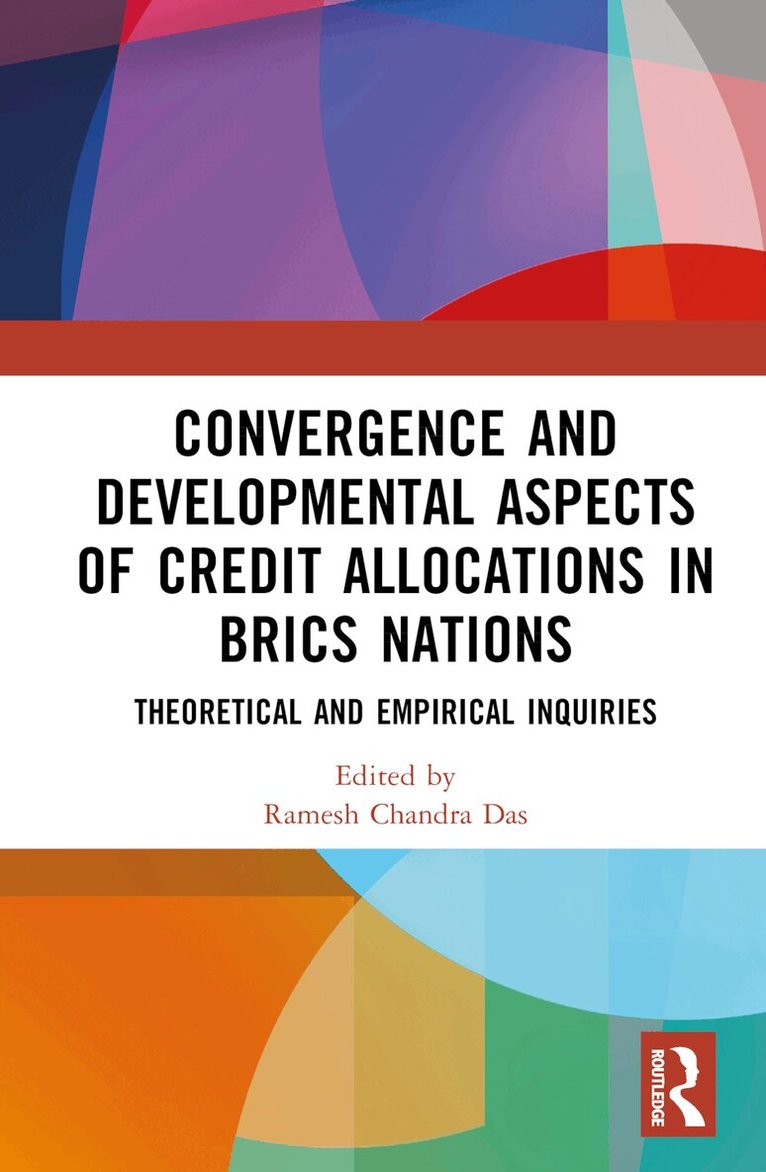
This book explores the levels of cooperation and the phenomenon of convergence among BRICS nations. It provides an in-depth look into the financial and banking systems among these rapidly developing economies and the steps they have taken to foster development and counter inequalities.
Of the many factors in determining the income and wealth of a country as well as a group of countries, commercial bank credit, a well-known financial indicator, has been an important one. This book analyses the governance and structure of the New Development Bank and its effects on group members for peer growth and to defend against any external economic and political shocks. It looks at how much of an influence the commercial bank credit, or simply the credit, has upon the income levels of the BRICS member countries, how equitable they are, whether they are converging in credits and incomes, and other such issues. It also focuses on India’s credit aspects of inclusiveness and convergence.
With a strong empirical model estimation, this book will be of interest to students and researchers of economics, finance, management, political studies, international relations, and international trade.
698 kr
Läs direkt efter köp
This book explores the levels of cooperation and the phenomenon of convergence among BRICS nations. It provides an in-depth look into the financial and banking systems among these rapidly developing economies and the steps they have taken to foster development and counter inequalities.
Of the many factors in determining the income and wealth of a country as well as a group of countries, commercial bank credit, a well-known financial indicator, has been an important one. This book analyses the governance and structure of the New Development Bank and its effects on group members for peer growth and to defend against any external economic and political shocks. It looks at how much of an influence the commercial bank credit, or simply the credit, has upon the income levels of the BRICS member countries, how equitable they are, whether they are converging in credits and incomes, and other such issues. It also focuses on India’s credit aspects of inclusiveness and convergence.
With a strong empirical model estimation, this book will be of interest to students and researchers of economics, finance, management, political studies, international relations, and international trade.
688 kr
Läs direkt efter köp
Governance has been incorporated into the development models of many countries because of its role in ameliorating inequalities in society. This book explores whether good governance boosts or hinders economic growth with perspectives from countries like India, the USA, Nigeria, Turkey, Pakistan, Bangladesh, Nepal, and others, and on groups of developing nations like BRICS and ASEAN.
Governance has twin roles within economic systems. The first is where it guides administrators and the second is the normative role where it may act as a stimulus to economic growth and development. With the help of empirical investigations, this book analyses the interrelationships between good governance and inclusive and sustainable economic growth, productive employment, political stability, and decent work for all. It assesses the impact of various governance indicators and policy strategies on the economy and the GDP of countries in the Global North and South. The book also focuses on roadblocks to good governance such as violent conflicts, corruption, international threats and crises and its implication on economic growth.
This volume will be of interest to students and researchers of economics, political science, social science, international relations, public administration, and sociology.
706 kr
Läs direkt efter köp
Good governance is a prerequisite to development, improving the quality of life, and health and ensuring equity. This book examines the interdependency of good governance and economic development by exploring perspectives from the Global North and the Global South.
It assesses the impact of good governance on economic development of countries such as the USA, India, Nigeria, Turkey, Pakistan, Bangladesh, Nepal and others, and on groups of developing nations like BRICS or ASEAN. The book investigates the interrelationships between development indicators like education, health, gender equity, resource distribution, environmental preservation, quality of life, livelihood and others with governance and provides empirical verifications of the impact of good governance upon development. Further, it offers insights into the economic and governance challenges that developing countries face and highlights strategies for governance that have proved effective in bolstering sustainable growth.
This volume will be of interest to students and researchers of economics, political science, social science, international relations, public administration and sociology.
682 kr
Läs direkt efter köp
Governance has been incorporated into the development models of many countries because of its role in ameliorating inequalities in society. This book explores whether good governance boosts or hinders economic growth with perspectives from countries like India, the USA, Nigeria, Turkey, Pakistan, Bangladesh, Nepal, and others, and on groups of developing nations like BRICS and ASEAN.
Governance has twin roles within economic systems. The first is where it guides administrators and the second is the normative role where it may act as a stimulus to economic growth and development. With the help of empirical investigations, this book analyses the interrelationships between good governance and inclusive and sustainable economic growth, productive employment, political stability, and decent work for all. It assesses the impact of various governance indicators and policy strategies on the economy and the GDP of countries in the Global North and South. The book also focuses on roadblocks to good governance such as violent conflicts, corruption, international threats and crises and its implication on economic growth.
This volume will be of interest to students and researchers of economics, political science, social science, international relations, public administration, and sociology.
706 kr
Läs direkt efter köp
Good governance is a prerequisite to development, improving the quality of life, and health and ensuring equity. This book examines the interdependency of good governance and economic development by exploring perspectives from the Global North and the Global South.
It assesses the impact of good governance on economic development of countries such as the USA, India, Nigeria, Turkey, Pakistan, Bangladesh, Nepal and others, and on groups of developing nations like BRICS or ASEAN. The book investigates the interrelationships between development indicators like education, health, gender equity, resource distribution, environmental preservation, quality of life, livelihood and others with governance and provides empirical verifications of the impact of good governance upon development. Further, it offers insights into the economic and governance challenges that developing countries face and highlights strategies for governance that have proved effective in bolstering sustainable growth.
This volume will be of interest to students and researchers of economics, political science, social science, international relations, public administration and sociology.
635 kr
Läs direkt efter köp
658 kr
Läs direkt efter köp
682 kr
Läs direkt efter köp
682 kr
Läs direkt efter köp