Ramya Sundaram – författare
Visar alla böcker från författaren Ramya Sundaram. Handla med fri frakt och snabb leverans.
3 produkter
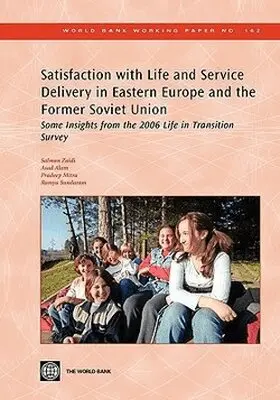
Satisfaction with Life and Service Delivery in Eastern Europe and the Former Soviet Union
Some Insights from the 2006 Life in Transition Survey
Av Salman Zaidi, Asad Alam m. fl.
Häftad, 2009
240 kr
Lägg i varukorg
The past two decades in Eastern Europe and the former Soviet Union have been times of tremendous change, with countries undergoing rapid transformation from centrally-planned to market-oriented economies. While poverty increased during the initial years of transition, primarily on account of the …
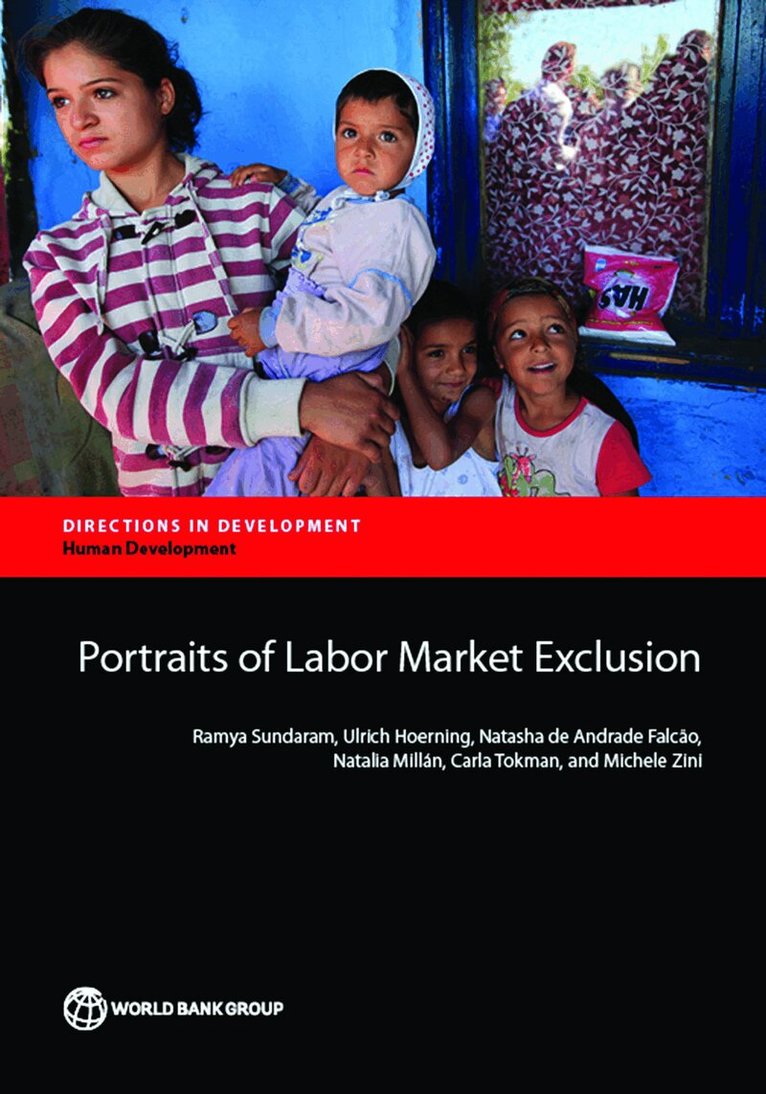
Portraits of Labor Market Exclusion
Av Ramya Sundaram, Ulrich Hoerning m. fl.
Häftad, 2015
417 kr
Lägg i varukorg
Portraits of Labor Market Exclusion presents “profiles” or “portraits” of individuals who have limited labor-market attachment. The report looks at such individuals through the lenses of both poverty/welfare status and labor market indicators providing a much richer glimpse into the very different …
Toward a New Social Contract
Taking on Distributional Tensions in Europe and Central Asia
Av Maurizio Bussolo, Maria Eugenia Davalos m. fl.
Häftad, 2018
514 kr
Lägg i varukorg
This report identifies and provides a detailed assessment of inequality between generations, workers, regions that are fueling perceptions of unfairness and eroding the social contract. It illustrates how current policies and institutions are not equipped to deal with these distributional tensions.