Ranald C. Michie – författare
Visar alla böcker från författaren Ranald C. Michie. Handla med fri frakt och snabb leverans.
14 produkter
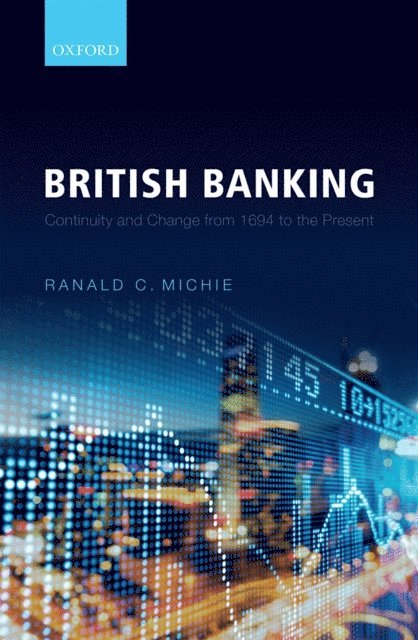
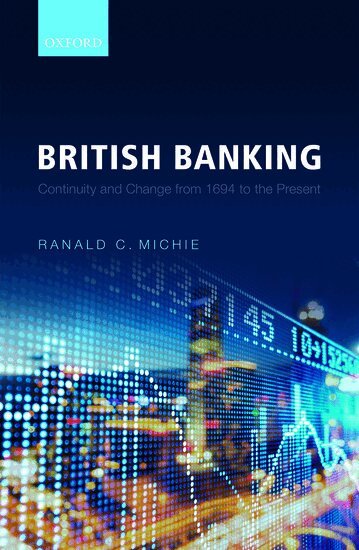
British Banking
Continuity and Change from 1694 to the Present
E-bok, 2016
1435 kr
Lägg i varukorg
The Global Financial Crisis made its first appearance in Britain towards the end of 2007 with the failure of the Northern Rock Bank. It then reached an unparalleled intensity a year later when the government was forced to intervene to prevent the collapse of Lloyds/HBOS and RBS/Natwest. Before …
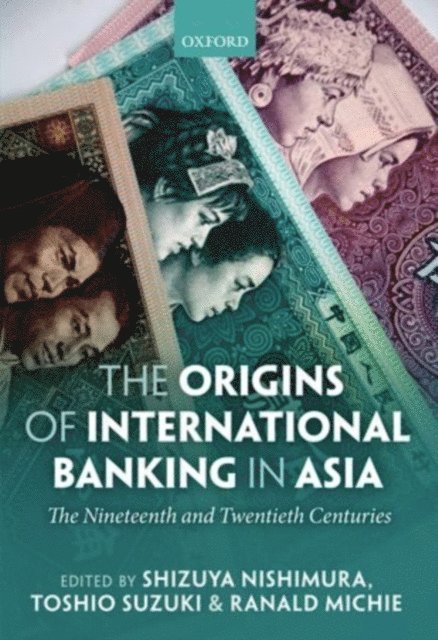
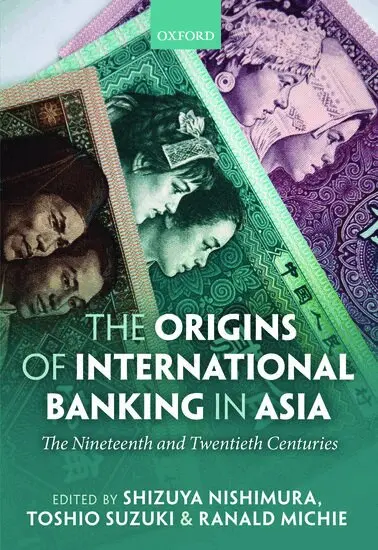
Origins of International Banking in Asia
The Nineteenth and Twentieth Centuries
Av Ranald C. Michie, Toshio Suzuki m. fl.
E-bok, 2012
1756 kr
Lägg i varukorg
Without a means of crediting and debiting accounts worldwide and the non-physical transfer of funds, the rapid global economic integration of the late nineteenth and early twentieth centuries would have been impossible. It is the globalization of the banking system, much of which, particularly in …
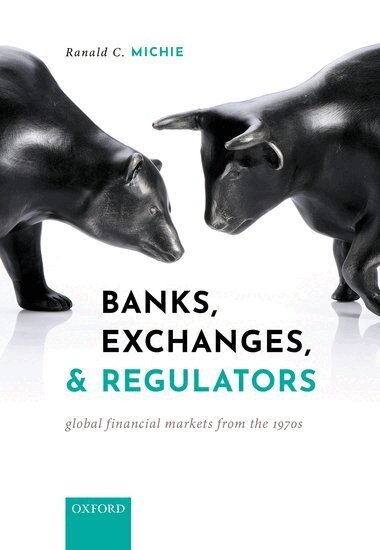
Banks, Exchanges, and Regulators
Global Financial Markets from the 1970s
E-bok, 2020
2152 kr
Lägg i varukorg
Never have financial markets been subjected to a period of change as rapid and extensive as took place from the 1970s onwards. In the 1970s global financial markets were controlled by governments, compartmentalized along national boundaries, and segregated according to the particular activities …
Banks, Exchanges, and Regulators
Global Financial Markets from the 1970s
E-bok, 2020
2152 kr
Lägg i varukorg
Never have financial markets been subjected to a period of change as rapid and extensive as took place from the 1970s onwards. In the 1970s global financial markets were controlled by governments, compartmentalized along national boundaries, and segregated according to the particular activities …
British Banking
Continuity and Change from 1694 to the Present
Inbunden, 2016
2234 kr
Lägg i varukorg
The Global Financial Crisis made its first appearance in Britain towards the end of 2007 with the failure of the Northern Rock Bank. It then reached an unparalleled intensity a year later when the government was forced to intervene to prevent the collapse of Lloyds/HBOS and RBS/Natwest. Before …
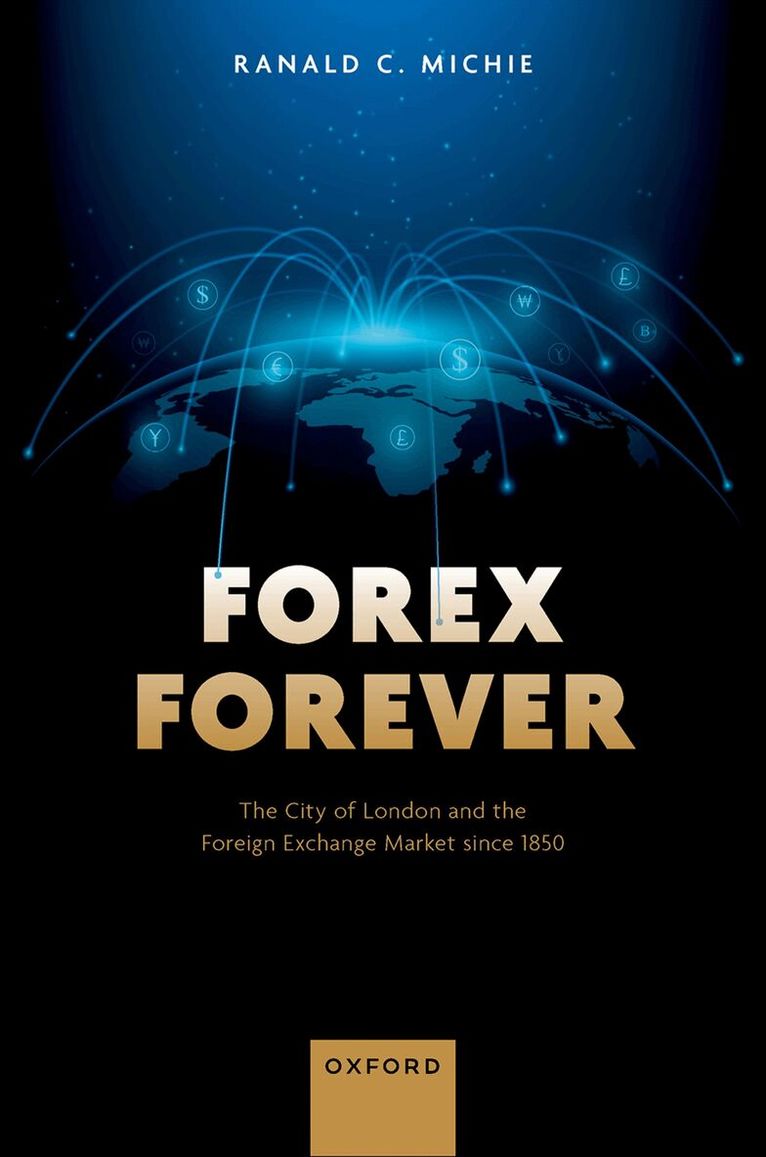
Forex Forever
The City of London and the Foreign Exchange Market since 1850
Inbunden, 2024
1733 kr
Lägg i varukorg
The world's largest market is that for foreign exchange with a turnover running into trillions per day. The mystery is why this market is dominated by trading in London when the US dollar is the main currency in use. What role is played by this market? To many it is a speculator's paradise, exposed …
Forex Forever
The City of London and the Foreign Exchange Market since 1850
E-bok, 2024
1548 kr
Lägg i varukorg
The world''s largest market is that for foreign exchange with a turnover running into trillions per day. The mystery is why this market is dominated by trading in London when the US dollar is the main currency in use. What role is played by this market? To many it is a speculator''s paradise, …
Forex Forever
The City of London and the Foreign Exchange Market since 1850
E-bok, 2024
1548 kr
Lägg i varukorg
The world''s largest market is that for foreign exchange with a turnover running into trillions per day. The mystery is why this market is dominated by trading in London when the US dollar is the main currency in use. What role is played by this market? To many it is a speculator''s paradise, …
Banks, Exchanges, and Regulators
Global Financial Markets from the 1970s
Inbunden, 2020
2393 kr
Lägg i varukorg
Never have financial markets been subjected to a period of change as rapid and extensive as took place from the 1970s onwards. In the 1970s global financial markets were controlled by governments, compartmentalized along national boundaries, and segregated according to the particular activities …
The Origins of International Banking in Asia
The Nineteenth and Twentieth Centuries
Av Shizuya Nishimura, Toshio Suzuki m. fl.
Inbunden, 2012
2740 kr
Lägg i varukorg
Without a means of crediting and debiting accounts worldwide and the non-physical transfer of funds, the rapid global economic integration of the late nineteenth and early twentieth centuries would have been impossible. It is the globalization of the banking system, much of which, particularly in …
Guilty Money
The City of London in Victorian and Edwardian Culture, 1815-1914
Häftad, 2016
946 kr
Lägg i varukorg
This is an engaging study of the place occupied by the City of London within British cultural life during the Victorian and Edwardian periods. Michie uses both literary and popular novels to examine socio-economic representations during this period.
Guilty Money
The City of London in Victorian and Edwardian Culture, 1815-1914
E-bok, 2015
1115 kr
Lägg i varukorg
This is an engaging study of the place occupied by the City of London within British cultural life during the Victorian and Edwardian periods. Michie uses both literary and popular novels to examine socio-economic representations during this period.
Guilty Money
The City of London in Victorian and Edwardian Culture, 1815-1914
E-bok, 2015
999 kr
Lägg i varukorg
This is an engaging study of the place occupied by the City of London within British cultural life during the Victorian and Edwardian periods. Michie uses both literary and popular novels to examine socio-economic representations during this period.
Guilty Money
The City of London in Victorian and Edwardian Culture, 1815-1914
Inbunden, 2009
2898 kr
Lägg i varukorg
This is an engaging study of the place occupied by the City of London within British cultural life during the Victorian and Edwardian periods. Michie uses both literary and popular novels to examine socio-economic representations during this period.