Randy Hewitt – författare
Visar alla böcker från författaren Randy Hewitt. Handla med fri frakt och snabb leverans.
5 produkter
5 produkter
Häftad, Engelska, 2020
535 kr
Skickas inom 5-8 vardagar
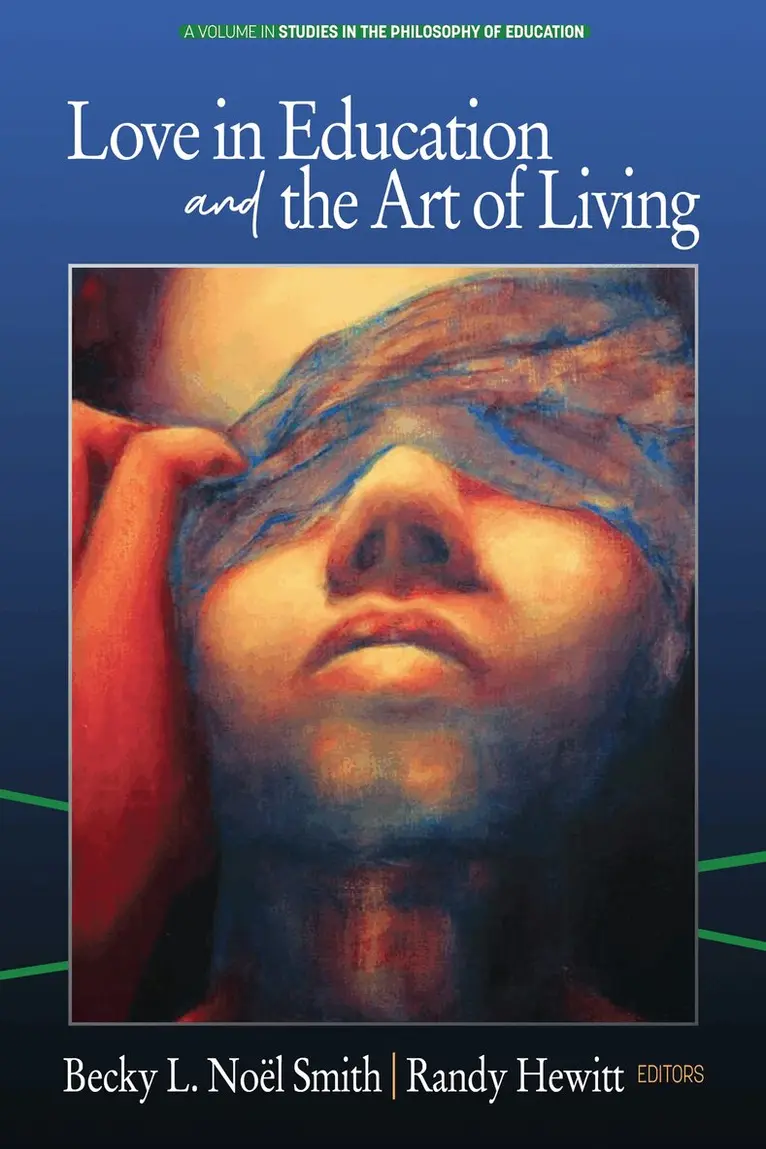
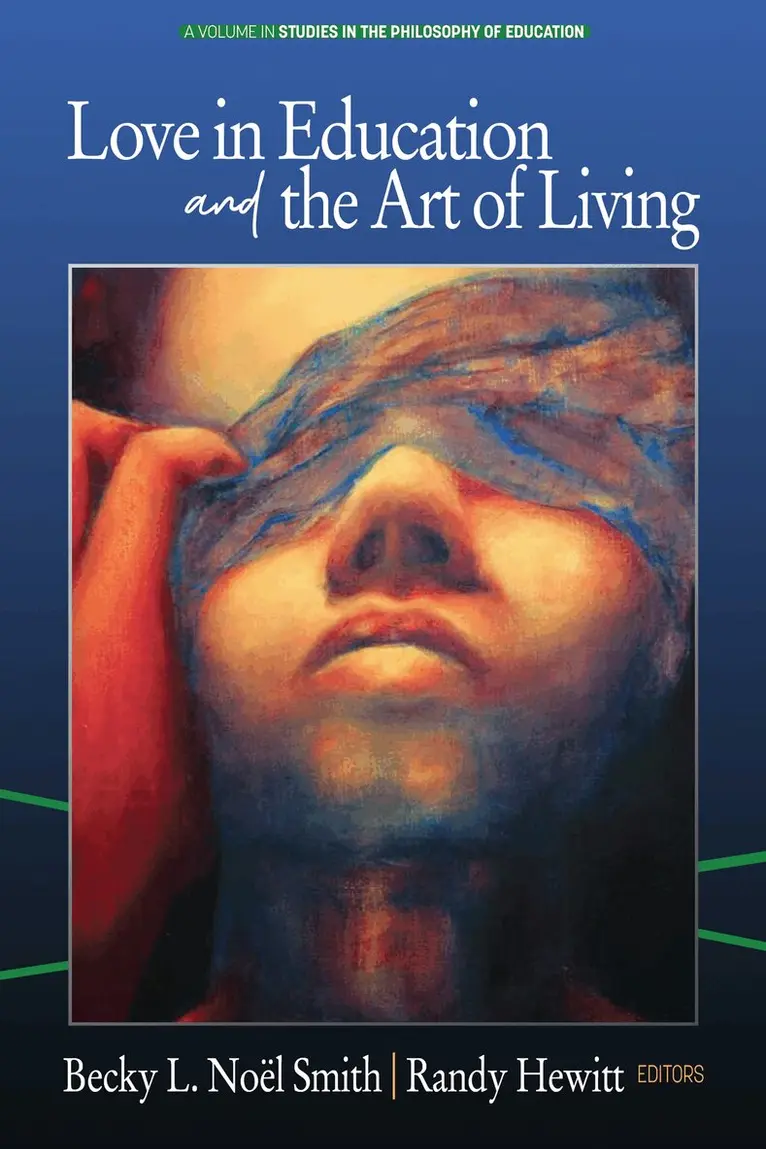
It is common for teachers and students of education to feel disheartened about the profession and their own aims and purposes once they become conscious of the dehumanizing tendencies of the schooling institution. As teacher educators, we have also known many students who, after studying critical perspectives aimed at exposing the power and privilege flowing through the public schools, then look to us with the question, “Where’s the hope?” Our attempt to answer our students’ questions has led us to consider what beauty and love in education look like. Where can it be seen, and how can we bring this forward so it can be instructive to those who are faced with similar questions about the incredibly important craft of teaching?This collection of narratives, essays, and poetic expressions includes the perspectives of students and educators who, in varying ways, express gratitude toward those who came before them and a deep desire to keep the faith alive. The authors share narrative accounts of someone or something in the public schools or learning experiences in general that inspired and nurtured the passionate desire to achieve goods internal to some shared practice – that is, some art at living – such that there was a transformative readjustment to the very nature of experience itself. We share with readers the stories and intellectual habits that have fueled us, inspired us, and that continue to push us to engage in the practice of cultivating educational dynamics that are meaningful and transformative for ourselves, our students, and our communities. The book concludes with an exploration into how teachers might not only root their craft, but the habit of love in general, in a sense of freedom.
Inbunden, Engelska, 2020
996 kr
Skickas inom 5-8 vardagar
It is common for teachers and students of education to feel disheartened about the profession and their own aims and purposes once they become conscious of the dehumanizing tendencies of the schooling institution. As teacher educators, we have also known many students who, after studying critical perspectives aimed at exposing the power and privilege flowing through the public schools, then look to us with the question, “Where’s the hope?” Our attempt to answer our students’ questions has led us to consider what beauty and love in education look like. Where can it be seen, and how can we bring this forward so it can be instructive to those who are faced with similar questions about the incredibly important craft of teaching?This collection of narratives, essays, and poetic expressions includes the perspectives of students and educators who, in varying ways, express gratitude toward those who came before them and a deep desire to keep the faith alive. The authors share narrative accounts of someone or something in the public schools or learning experiences in general that inspired and nurtured the passionate desire to achieve goods internal to some shared practice – that is, some art at living – such that there was a transformative readjustment to the very nature of experience itself. We share with readers the stories and intellectual habits that have fueled us, inspired us, and that continue to push us to engage in the practice of cultivating educational dynamics that are meaningful and transformative for ourselves, our students, and our communities. The book concludes with an exploration into how teachers might not only root their craft, but the habit of love in general, in a sense of freedom.
E-bok
Engelska, 2020483 kr
Läs direkt efter köp
It is common for teachers and students of education to feel disheartened about the profession and their own aims and purposes once they become conscious of the dehumanizing tendencies of the schooling institution. As teacher educators, we have also known many students who, after studying critical perspectives aimed at exposing the power and privilege flowing through the public schools, then look to us with the question, "e;Where's the hope?"e; Our attempt to answer our students' questions has led us to consider what beauty and love in education look like. Where can it be seen, and how can we bring this forward so it can be instructive to those who are faced with similar questions about the incredibly important craft of teaching?This collection of narratives, essays, and poetic expressions includes the perspectives of students and educators who, in varying ways, express gratitude toward those who came before them and a deep desire to keep the faith alive. The authors share narrative accounts of someone or something in the public schools or learning experiences in general that inspired and nurtured the passionate desire to achieve goods internal to some shared practice - that is, some art at living - such that there was a transformative readjustment to the very nature of experience itself. We share with readers the stories and intellectual habits that have fueled us, inspired us, and that continue to push us to engage in the practice of cultivating educational dynamics that are meaningful and transformative for ourselves, our students, and our communities. The book concludes with an exploration into how teachers might not only root their craft, but the habit of love in general, in a sense of freedom.
E-bok
Engelska, 2020557 kr
Läs direkt efter köp
It is common for teachers and students of education to feel disheartened about the profession and their own aims and purposes once they become conscious of the dehumanizing tendencies of the schooling institution. As teacher educators, we have also known many students who, after studying critical perspectives aimed at exposing the power and privilege flowing through the public schools, then look to us with the question, "e;Where's the hope?"e; Our attempt to answer our students' questions has led us to consider what beauty and love in education look like. Where can it be seen, and how can we bring this forward so it can be instructive to those who are faced with similar questions about the incredibly important craft of teaching?This collection of narratives, essays, and poetic expressions includes the perspectives of students and educators who, in varying ways, express gratitude toward those who came before them and a deep desire to keep the faith alive. The authors share narrative accounts of someone or something in the public schools or learning experiences in general that inspired and nurtured the passionate desire to achieve goods internal to some shared practice - that is, some art at living - such that there was a transformative readjustment to the very nature of experience itself. We share with readers the stories and intellectual habits that have fueled us, inspired us, and that continue to push us to engage in the practice of cultivating educational dynamics that are meaningful and transformative for ourselves, our students, and our communities. The book concludes with an exploration into how teachers might not only root their craft, but the habit of love in general, in a sense of freedom.
E-bok
PDF, Engelska, 20072 285 kr
Läs direkt efter köp
Dewey and Power develops out of criticism that John Dewey's work lacks a sufficient concept of power, thus rendering his faith in an amelioristic sense of experience and a democratic ideal untenable. According to philosopher Cornel West, Dewey gives ameliorism its most mature social, political, and ethical justification. Alan Ryan suggests that Dewey represented "e;thinking America"e; at its best. Dewey's critics maintain, however, that this best is not good enough. If their criticism of Dewey goes unchallenged, one of the most intelligent, philosophically consistent visions of ethical behavior in a world shot through with difference, risk, danger, and change becomes damned. The upshot is lost faith in the idea that the give and take of mutual reference and pooled intelligence can lead to ever wider points of contact with each other that will enrich the significance of our individual quests together. Furthermore, lost faith in ameliorism and democracy implies a lost faith in a democratic education. The purpose of Dewey and Power, therefore, is to explore the diverse critiques of his alleged insufficient concept of power and to represent Dewey's work in a way that his critics' claims can be evaluated. The key word here is evaluate. The book is not a simple apology for Dewey's position on these matters.First, the book works out Dewey's concept of power as it comes out of his understanding of the psycho-physiological makeup of the human organism. Then the analysis of power as it is psycho-physiologically interpreted is extended to incorporate Dewey's ontological insights, especially that of the directing influence of social custom on habit. This process unveils a concept of power that includes both domination and liberation. Furthermore, the relation between Dewey's sense of power and his faith in a democratic ideal is drawn out in explicit detail. Next, the book provides a full delineation of Dewey's critics' claims and measures the worth of these claims in light of what the preceding examination suggests in reference to Dewey's idea of power. This analysis makes clear that Dewey understood that power can be as productively oppressive as it can be productively liberating. Finally, the book traces out why Dewey's concept of power can be deployed in the construction of a critical, democratic education.