Randy O. Frost - Böcker
Visar alla böcker från författaren Randy O. Frost. Handla med fri frakt och snabb leverans.
6 produkter
6 produkter
Cognitive Approaches to Obsessions and Compulsions
Theory, Assessment, and Treatment
Inbunden, Engelska, 2002
2 061 kr
Skickas inom 5-8 vardagar
Contemporary studies have found cognitive therapy to be an effective treatment for obsessive compulsive disorder (OCD). This volume brings together the writings of the main researchers in the field to examine cognitive phenomenology, assessment, treatment, and theory related to OCD.
278 kr
Skickas inom 5-8 vardagar
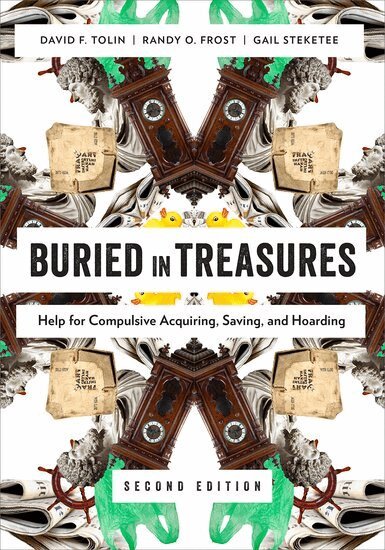
While most people find it relatively easy to manage their possessions, some find it extremely difficult. If you have a problem resisting the urge to acquire and you find your home cluttered and filled to capacity with items many people would find useless and unnecessary, you may suffer from a condition known as hoarding disorder.Hoarding is a behavioral problem consisting of clutter, difficulty discarding items, and excessive buying or acquiring. Hoarding is often associated with significant reduction in quality of life, and in extreme cases, it can pose serious health risks. If you or a loved one has hoarding disorder, this book can help.This fully updated Second Edition of Buried in Treasures outlines a scientifically based, effective program for helping those with hoarding disorder dig their way out of the clutter and chaos of their homes. Written by scientists and practioners who are leaders in studying and treating hoarding disorder, this book outlines a program of skill-building, learning to think about possessions in a different way, and gradual challenges to help people manage their clutter and their lives. It also provides useful information for family and friends of people who hoard, as they struggle to understand and help.Discover the reasons for your problems with acquiring, saving, and hoarding, and learn new ways of thinking about your possessions so you can decide what you really need and what you can do without. Learn to identify the "bad guys" that cause and maintain your hoarding behavior and meet the "good guys" who can help motivate you and put you on the path to change. Useful self-assessments will help you determine the severity of your problem. Training exercises, case examples, organizing tips, and motivation boosters help change the way you think and behave toward your possessions. This book provides easy-to-understand strategies and techniques that anyone can use.
494 kr
Skickas inom 5-8 vardagar
The relationship people have with their possessions ranges from purely utilitarian to intensely emotional. For most people, their personal possessions provide them with a sense of security, comfort, and pleasure. However, if someone loses the ability to distinguish useful or important possessions from those that make life overly complicated, the objects can become a prison. For people who suffer from Hoarding Disorder (HD), the process of getting rid of unneeded objects is not easy. For them, possessions never "feel" unneeded and trying to get rid of them is an excruciating emotional ordeal. This Second Edition of Treatment for Hoarding Disorder is the culmination of more than 20 years of research on understanding hoarding and building an effective intervention to address its myriad components. Thoroughly updated and reflective of changes made to the Fifth Edition of the Diagnostic and Statistical Manual for Mental Disorders (DSM-5), this second edition of the client Workbook and accompanying Therapist Guide outlines an empirically supported and effective CBT program for treating hoarding disorder. This Workbook is meant to guide clients through their treatment for hoarding disorder with their clinician. It includes homework, forms, exercises, and behavioral experiments for clients to test their personal beliefs about possessions, develop an organization plan and filing system, and sort and organize items room by room. A major goal of the treatment is to recapture the positive role of possessions in the lives of people with hoarding problems, and strategies are outlined for sustaining gains and making further progress, as well as for managing stressful life events that can provoke problematic acquiring and difficulty discarding.
685 kr
Skickas inom 5-8 vardagar
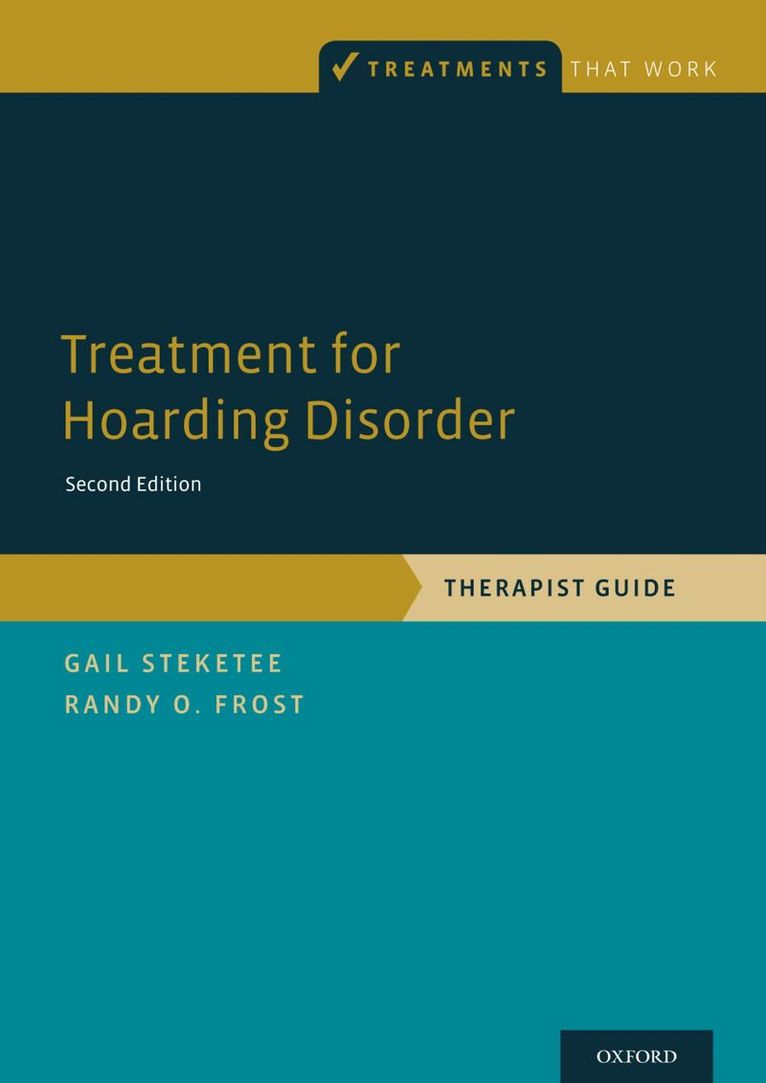
The relationship people have with their possessions ranges from purely utilitarian to intensely emotional. For most people, their personal possessions provide them with a sense of security, comfort, and pleasure. However, if someone loses the ability to distinguish useful or important possessions from those that make life overly complicated, the objects can become a prison. For people who suffer from Hoarding Disorder (HD), the process of getting rid of unneeded objects is not easy. For them, possessions never "feel" unneeded and trying to get rid of them is an excruciating emotional ordeal. This Second Edition of Treatment for Hoarding Disorder is the culmination of more than 20 years of research on understanding hoarding and building an effective intervention to address its myriad components. Thoroughly updated and reflective of changes made to the Fifth Edition of the Diagnostic and Statistical Manual for Mental Disorders (DSM-5), this second edition of the Therapist Guide and accompanying client Workbook outlines an empirically supported and effective CBT program for treating hoarding disorder. This Therapist Guide is written for mental health clinicians-psychologists, social workers, psychiatrists, counsellors, and psychiatric nurses-to guide effective treatment of people with hoarding disorder. It provides numerous assessment and intervention forms to help clients use the methods described in the intervention. A major goal of the treatment is to recapture the positive role of possessions in the lives of people with hoarding problems, and strategies are outlined for sustaining gains and making further progress, as well as for managing stressful life events that can provoke problematic acquiring and difficulty discarding.
2 483 kr
Skickas inom 5-8 vardagar
Hoarding involves the acquisition of and inability to discard large numbers of possessions that clutter the living area of the person collecting them. It becomes a disorder when the behavior causes significant distress or interferes with functioning. Hoarding can interfere with activities of daily living (such as being able to sit in chairs or sleep in a bed), work efficiency, family relationships, as well as health and safety. Hoarding behavior can range from mild to life-threatening. Epidemiological findings suggest that hoarding occurs in 2-6% of the adult population, making it two to three times more common than obsessive-compulsive disorder. The fifth edition of the Diagnostic and Statistical Manual of Mental Disorders (DSM-5) now includes Hoarding Disorder as a distinct disorder within the OCD and Related Anxiety Disorders section, creating a demand for information about it. The Oxford Handbook of Hoarding and Acquiring is the first volume to detail the empirical research on hoarding. Including contributions from all of the leading researchers in the field, this comprehensive volume is divided into four sections in addition to introductory and concluding chapters by the editors: Phenomenology, Epidemiology, and Diagnosis; Etiology; Assessment and Intervention; and Hoarding in Special Populations. The summaries of research and clinical interventions contained here clarify the emotional and behavioral features, diagnostic challenges, and nature of the treatment interventions for this new disorder. This handbook will be a critical resource for both practitioners and researchers, including psychiatrists, psychologists, neurologists, epidemiologists, social workers, occupational therapists, and other health and mental health professionals who encounter clients with hoarding problems in their practice and research.
621 kr
Skickas inom 5-8 vardagar
Accounts of hoarding behaviors have appeared in literature, as far back as 319 B.C.E. in the writings of Aristotle's student Theophrastus; in the news, like New York's infamous Collyer brothers in the 1940s; and more recently in popular reality television series.But it wasn't until the publication of DSM-5 in 2013 that hoarding was classified as a disorder in its own right rather than as a symptom of obsessive-compulsive disorder or obsessive-compulsive personality disorder. In this single source, readers can access the most up-to-date comprehensive information on what is known about the disorder.Drawing on the authors' own clinical experiences as well as the latest published research, Hoarding Disorder: A Comprehensive Clinical Guide examines key features of the disorder and treatment approaches, such as: Phenomenology, including diagnosis, comorbidities, and assessmentEtiology, from both a cognitive-behavioral and a neurobiological perspectivePsychotherapeutic and pharmacological treatments, from cognitive-behavioral therapy, harm reduction strategies, and community approaches to the efficacy of specific drugsChallenges, including working with elderly patients, managing cases of animal hoarding, and distinguishing and addressing squalorKey points for each chapter and numerous case studies will help readers easily reference and retain information, and the appendixes feature useful symptom rating scales that can be applied to practice.For psychiatrists, psychologists, human service and other mental health professionals, peer support counselors, community advocates, and professionals in training, this invaluable book will improve the reader's knowledge and skill in treating patients with hoarding disorder, both those with straightforward presentations and those with complicated ones.