Rangi Matamua – författare
Visar alla böcker från författaren Rangi Matamua. Handla med fri frakt och snabb leverans.
5 produkter
Ethnographies in Pan Pacific Research
Tensions and Positionings
Av Robert E. Rinehart, elke emerald m. fl.
Häftad, 2017
635 kr
Lägg i varukorg
The book is about exciting ethnographic happenings in the vibrant and growing global interface which includes Australia, New Zealand, and some of the Asian geographical regions, as well as - more broadly - the global South. It explores ethnographic writing as culture(s) (re)produced, …
Ethnographies in Pan Pacific Research
Tensions and Positionings
Av Robert E. Rinehart, elke emerald m. fl.
Inbunden, 2015
2506 kr
Lägg i varukorg
The book is about exciting ethnographic happenings in the vibrant and growing global interface which includes Australia, New Zealand, and some of the Asian geographical regions, as well as - more broadly - the global South. It explores ethnographic writing as culture(s) (re)produced, …
Ethnographies in Pan Pacific Research
Tensions and Positionings
Av Rangi Matamua, elke emerald m. fl.
E-bok, 2015
729 kr
Lägg i varukorg
The book is about exciting ethnographic happenings in the vibrant and growing global interface which includes Australia, New Zealand, and some of the Asian geographical regions, as well as - more broadly - the global South. It explores ethnographic writing as culture(s) (re)produced, …
Ethnographies in Pan Pacific Research
Tensions and Positionings
Av Rangi Matamua, elke emerald m. fl.
E-bok, 2015
745 kr
Lägg i varukorg
The book is about exciting ethnographic happenings in the vibrant and growing global interface which includes Australia, New Zealand, and some of the Asian geographical regions, as well as - more broadly - the global South. It explores ethnographic writing as culture(s) (re)produced, …
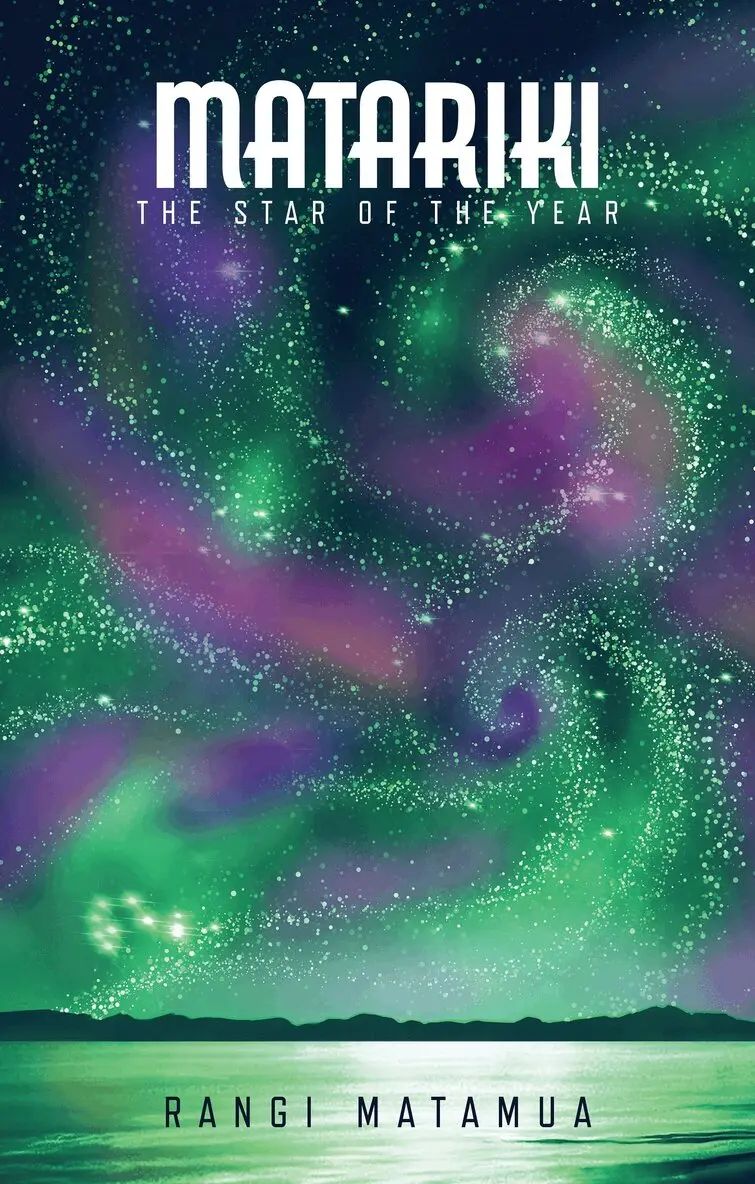
Matariki: the Star of the Year
Häftad, 2017
365 kr
Lägg i varukorg
In mid-winter, Matariki rises in the pre-dawn sky, and its observation is celebrated with incantations on hilltops at dawn, balls, exhibitions, dinners and a vast number of events. The Matariki tradition has been re-established, and its regeneration coincides with a growing interest in Maori …