Ranjit S. Dhillon – författare
Visar alla böcker från författaren Ranjit S. Dhillon. Handla med fri frakt och snabb leverans.
4 produkter
4 produkter
2 117 kr
Skickas inom 10-15 vardagar
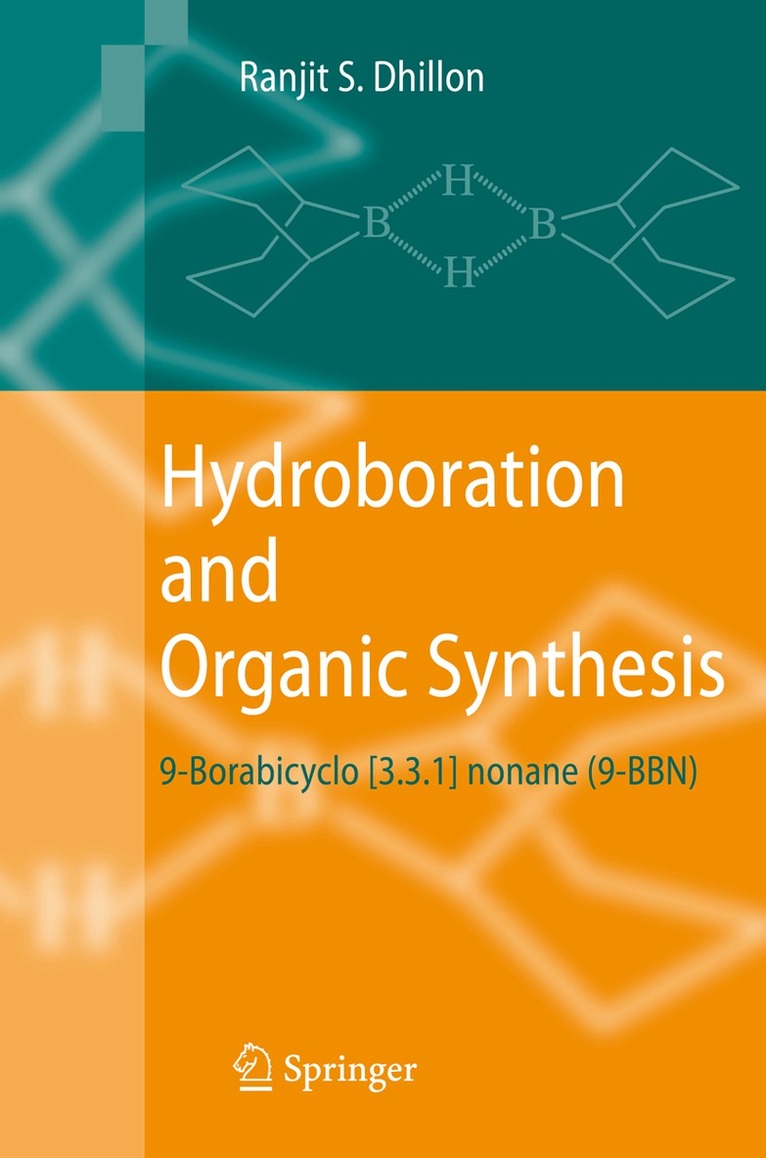
This book offers a systematic compilation of the vast data available to synthetic chemists. It provides easy access to the necessary information required for chemical transformations.
2 180 kr
Skickas inom 10-15 vardagar
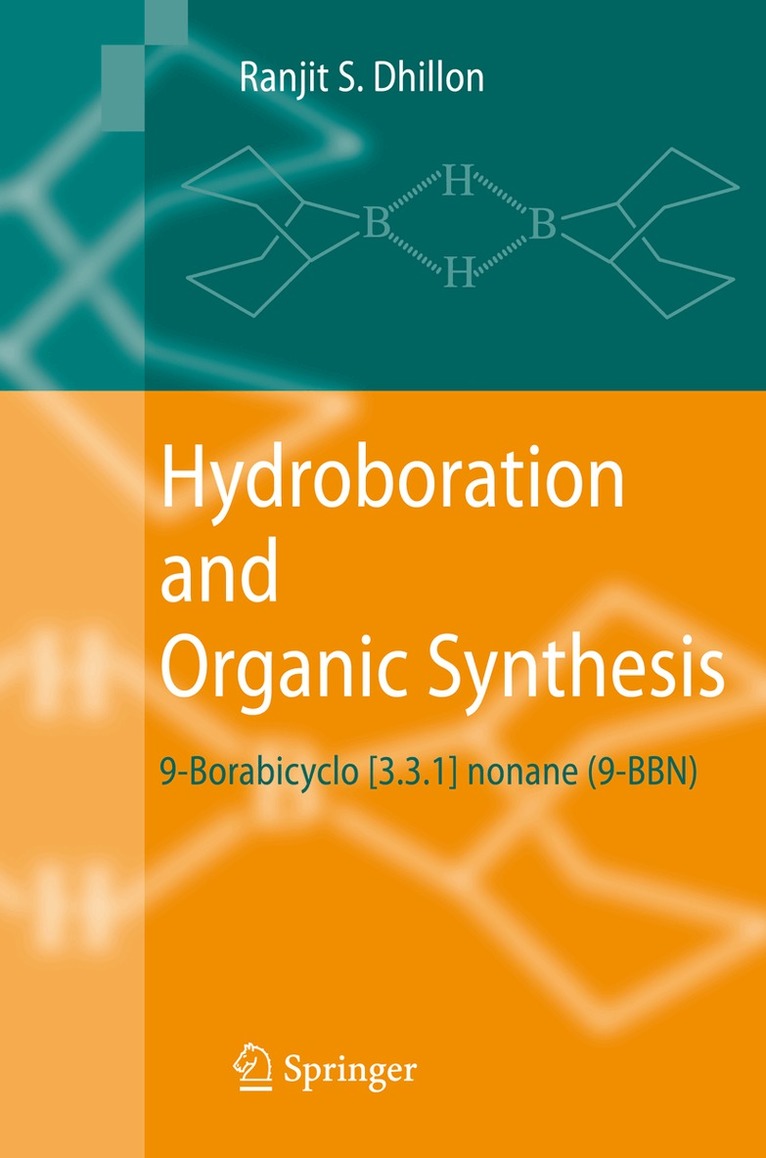
9-Borabicyclo [3.3.1]nonane, a commercially available reagent, is the most versatile hydroborating reagent to synthesize organoboranes (B-R-9-BBN). The reagent exhibits remarkable regio-, chemo-, and stereoselectivity during hydroboration reactions. The organoboranes can be converted to C-H, C-O, C-N, C-S, C-halogen, C-metal and above all C-C bonds. In addition, the suitable substituted / unsaturated R of B-R-9-BBN can be utilized to produce dienes, enynes, allenes etc. with defined stereochemistry. 9-BBN’s derivatives have been elegantly used for the asymmetric reduction of ketone moiety. Diels-Alder and Suzuki reactions have expanded the utility of 9-BBN for the synthesis of a variety of organic compounds required for industry. Consequently, this vast field in the form of a book will be helpful to synthetic organic chemists for easy access to literature, required for chemical transformations.
Biomass Conversion
The Interface of Biotechnology, Chemistry and Materials Science
Inbunden, Engelska, 2012
1 589 kr
Skickas inom 10-15 vardagar
The consumption of petroleum has surged during the 20th century, at least partially because of the rise of the automobile industry. Today, fossil fuels such as coal, oil, and natural gas provide more than three quarters of the world's energy. Unfortunately, the growing demand for fossil fuel resources comes at a time of diminishing reserves of these nonrenewable resources. The worldwide reserves of oil are sufficient to supply energy and chemicals for only about another 40 years, causing widening concerns about rising oil prices. The use of biomass to produce energy is only one form of renewable energy that can be utilized to reduce the impact of energy production and use on the global environment. Biomass can be converted into three main products such as energy, biofuels and fine chemicals using a number of different processes. Today, it is a great challenge for researchers to find new environmentally benign methodology for biomass conversion, which are industrially profitable as well. This book focuses on the conversion of biomass to biofuels, bioenergy and fine chemicals with the interface of biotechnology, microbiology, chemistry and materials science. An international scientific authorship summarizes the state-of-the-art of the current research and gives an outlook on future developments.
Biomass Conversion
The Interface of Biotechnology, Chemistry and Materials Science
Häftad, Engelska, 2014
1 589 kr
Skickas inom 10-15 vardagar
The consumption of petroleum has surged during the 20th century, at least partially because of the rise of the automobile industry. Today, fossil fuels such as coal, oil, and natural gas provide more than three quarters of the world's energy. Unfortunately, the growing demand for fossil fuel resources comes at a time of diminishing reserves of these nonrenewable resources. The worldwide reserves of oil are sufficient to supply energy and chemicals for only about another 40 years, causing widening concerns about rising oil prices. The use of biomass to produce energy is only one form of renewable energy that can be utilized to reduce the impact of energy production and use on the global environment. Biomass can be converted into three main products such as energy, biofuels and fine chemicals using a number of different processes. Today, it is a great challenge for researchers to find new environmentally benign methodology for biomass conversion, which are industrially profitable as well. This book focuses on the conversion of biomass to biofuels, bioenergy and fine chemicals with the interface of biotechnology, microbiology, chemistry and materials science. An international scientific authorship summarizes the state-of-the-art of the current research and gives an outlook on future developments.