Ranjit S. Dighe - Böcker
Visar alla böcker från författaren Ranjit S. Dighe. Handla med fri frakt och snabb leverans.
4 produkter
4 produkter
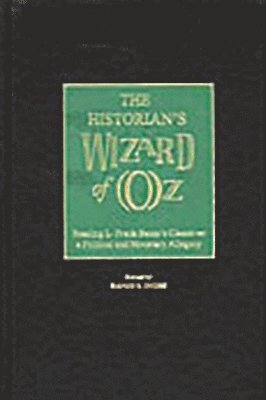
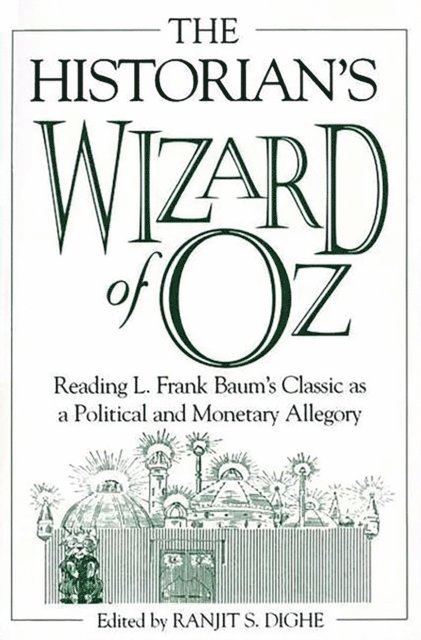
Historian's Wizard of Oz
Reading L. Frank Baum's Classic as a Political and Monetary Allegory
Inbunden, Engelska, 2002
1 314 kr
Skickas inom 10-15 vardagar
The Historian's Wizard of Oz synthesizes four decades of scholarly interpretations of L. Frank Baum's classic children's novel as an allegory of the Gilded Age political economy and a comment on the gold standard. The heart of the book is an annotated version of The Wizard of Oz that highlights the possible political and monetary symbolism in the book by relating characters, settings, and incidents in it to the historical events and figures of the 1890s, the decade in which Baum wrote his story. Dighe simultaneously values the leading political interpretations of Oz as useful and creative teaching tools, and consolidates them in a sympathetic fashion; yet he rejects the commonly held, and by now well-debunked, view that those interpretations reflect Baum's likely motivations in writing the book. The result is a unique way for readers to acquaint themselves with a classic of children's literature that is a bit different and darker than the better-known film version.Students of history and economics will find two great stories: the dramatic rise and fall of monetary populism and William Jennings Bryan and the original rendering of a childhood story that they know and love. This study draws on several worthy versions of the Oz-as-Populist-parable thesis, but it also separates the reading of Baum's book in this manner from Baum's original intentions. Despite an incongruence with Baum's intent, reading the story as a parable continues to provide a remarkable window into the historical events of the 1890s and, thus, constitutes a tremendous teaching tool for historians, economists, and political scientists. Dighe also includes a primer on gold, silver, and the American monetary system, as well as a brief history of the Populist movement.
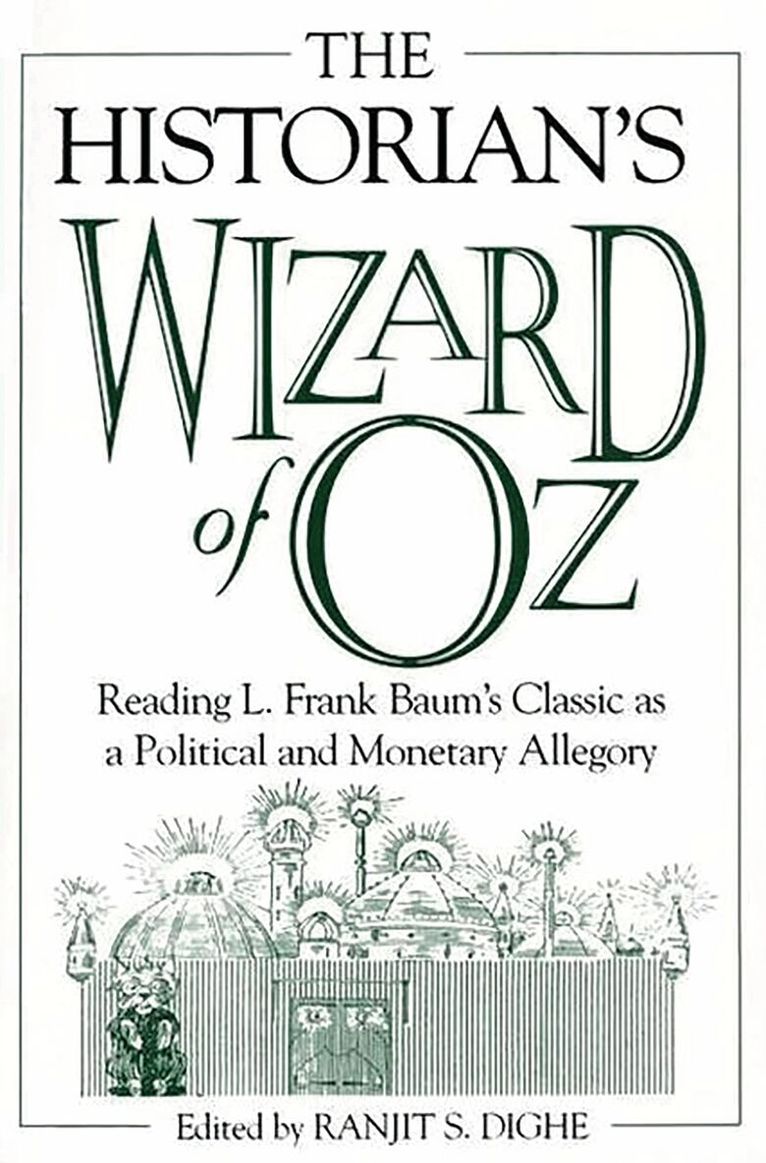
Historian's Wizard of Oz
Reading L. Frank Baum's Classic as a Political and Monetary Allegory
Häftad, Engelska, 2002
438 kr
Skickas inom 10-15 vardagar
The Historian's Wizard of Oz synthesizes four decades of scholarly interpretations of L. Frank Baum's classic children's novel as an allegory of the Gilded Age political economy and a comment on the gold standard. The heart of the book is an annotated version of The Wizard of Oz that highlights the possible political and monetary symbolism in the book by relating characters, settings, and incidents in it to the historical events and figures of the 1890s, the decade in which Baum wrote his story. Dighe simultaneously values the leading political interpretations of Oz as useful and creative teaching tools, and consolidates them in a sympathetic fashion; yet he rejects the commonly held, and by now well-debunked, view that those interpretations reflect Baum's likely motivations in writing the book. The result is a unique way for readers to acquaint themselves with a classic of children's literature that is a bit different and darker than the better-known film version.Students of history and economics will find two great stories: the dramatic rise and fall of monetary populism and William Jennings Bryan and the original rendering of a childhood story that they know and love. This study draws on several worthy versions of the Oz-as-Populist-parable thesis, but it also separates the reading of Baum's book in this manner from Baum's original intentions. Despite an incongruence with Baum's intent, reading the story as a parable continues to provide a remarkable window into the historical events of the 1890s and, thus, constitutes a tremendous teaching tool for historians, economists, and political scientists. Dighe also includes a primer on gold, silver, and the American monetary system, as well as a brief history of the Populist movement.
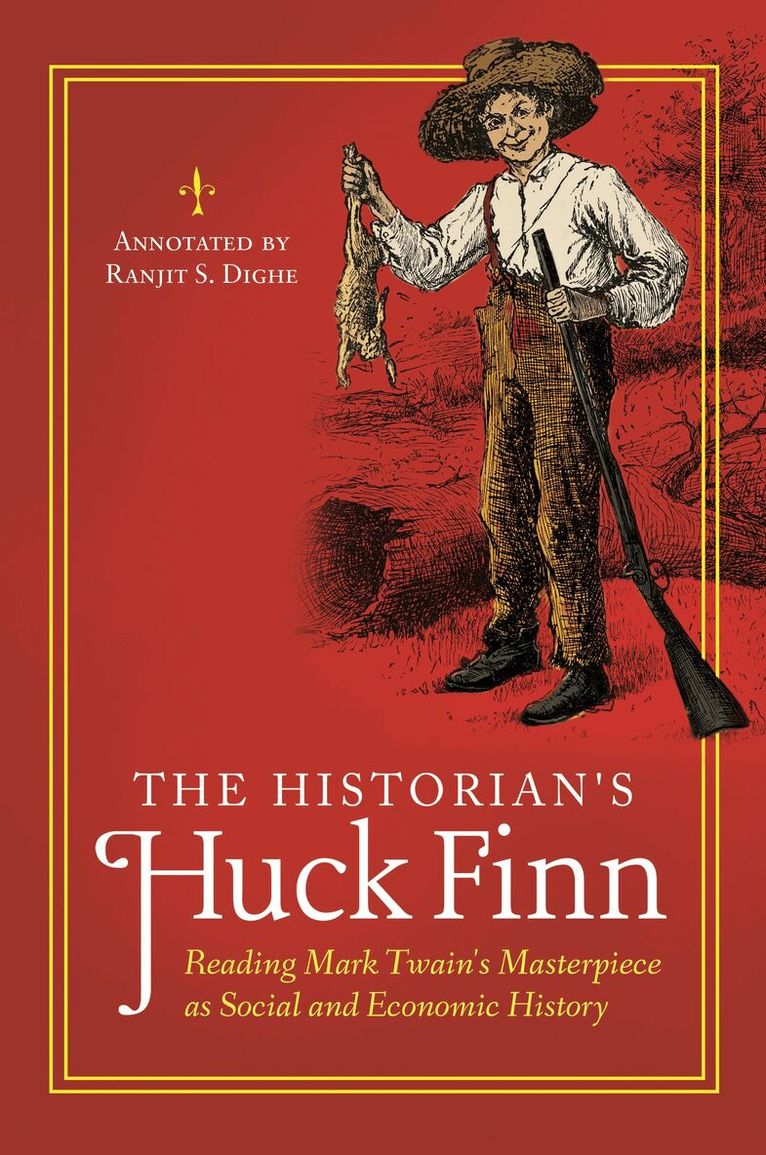
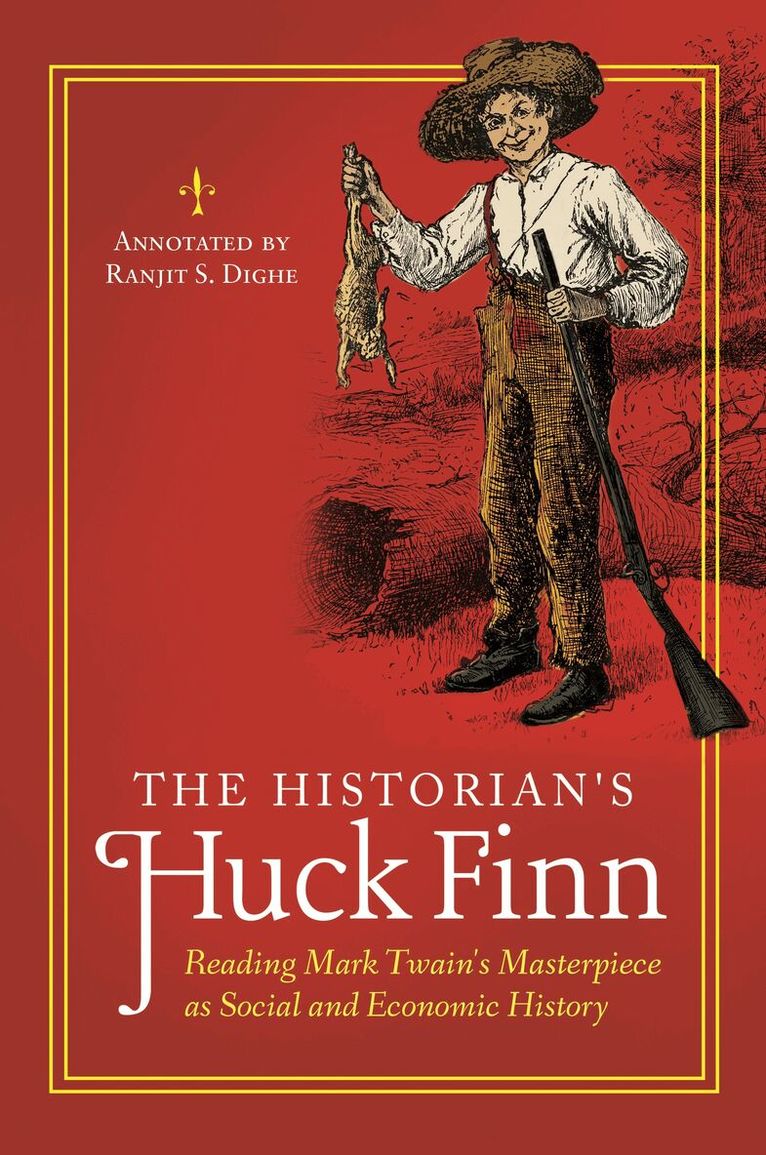
Historian's Huck Finn
Reading Mark Twain's Masterpiece as Social and Economic History
Inbunden, Engelska, 2016
930 kr
Skickas inom 10-15 vardagar
Putting Mark Twain's Adventures of Huckleberry Finn in historical context, connecting it to pivotal issues like slavery, class, money, and American economic expansion, this book engages readers by presenting American history through the lens of a great novel.Adventures of Huckleberry Finn is widely regarded as a classic American novel—a groundbreaking one in which the author attempts to accurately portray society through the use of at-times coarse vernacular English. In this book, readers can experience the full text of Twain's Huckleberry Finn accompanied by annotations in footnote form throughout. As a result, this classic is transformed into a fascinating historical documentation of 19th-century American life and society that touches on topics like slavery, the transportation revolution, race, class, and confidence men. Bringing the perspective of a social and economic historian, Ranjit S. Dighe offers more than 150 annotations as well as supporting essays that put the characters, incidents, and settings of the book into their historical context. First-time readers get to experience a great American novel with memorable characters, vivid imagery, and a great narrative voice while simultaneously learning about American history; teachers and students who have read Huckleberry Finn before will enjoy re-reading it, especially with insightful annotations that connect the story to the historical timeline. This book exposes the subtle lessons Twain's tale has to teach us about America's growth, development, conflicts, and mass movements in the nation's first century.
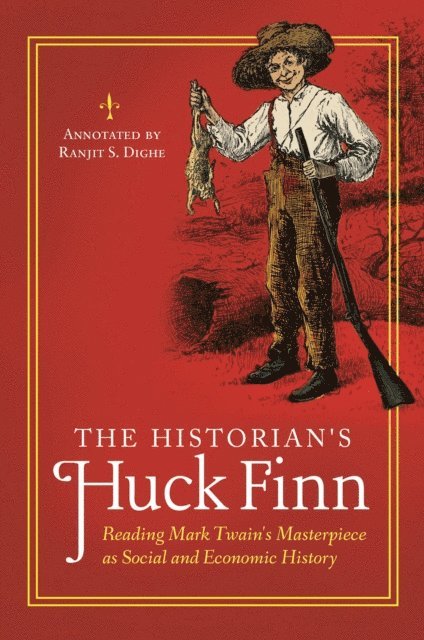
Historian's Huck Finn
Reading Mark Twain's Masterpiece as Social and Economic History
Häftad, Engelska, 2016
561 kr
Skickas inom 10-15 vardagar
Putting Mark Twain's Adventures of Huckleberry Finn in historical context, connecting it to pivotal issues like slavery, class, money, and American economic expansion, this book engages readers by presenting American history through the lens of a great novel.Adventures of Huckleberry Finn is widely regarded as a classic American novel—a groundbreaking one in which the author attempts to accurately portray society through the use of at-times coarse vernacular English. In this book, readers can experience the full text of Twain's Huckleberry Finn accompanied by annotations in footnote form throughout. As a result, this classic is transformed into a fascinating historical documentation of 19th-century American life and society that touches on topics like slavery, the transportation revolution, race, class, and confidence men. Bringing the perspective of a social and economic historian, Ranjit S. Dighe offers more than 150 annotations as well as supporting essays that put the characters, incidents, and settings of the book into their historical context. First-time readers get to experience a great American novel with memorable characters, vivid imagery, and a great narrative voice while simultaneously learning about American history; teachers and students who have read Huckleberry Finn before will enjoy re-reading it, especially with insightful annotations that connect the story to the historical timeline. This book exposes the subtle lessons Twain's tale has to teach us about America's growth, development, conflicts, and mass movements in the nation's first century.