Raphael Foshay - Böcker
Visar alla böcker från författaren Raphael Foshay. Handla med fri frakt och snabb leverans.
2 produkter
2 produkter
387 kr
Skickas inom 7-10 vardagar
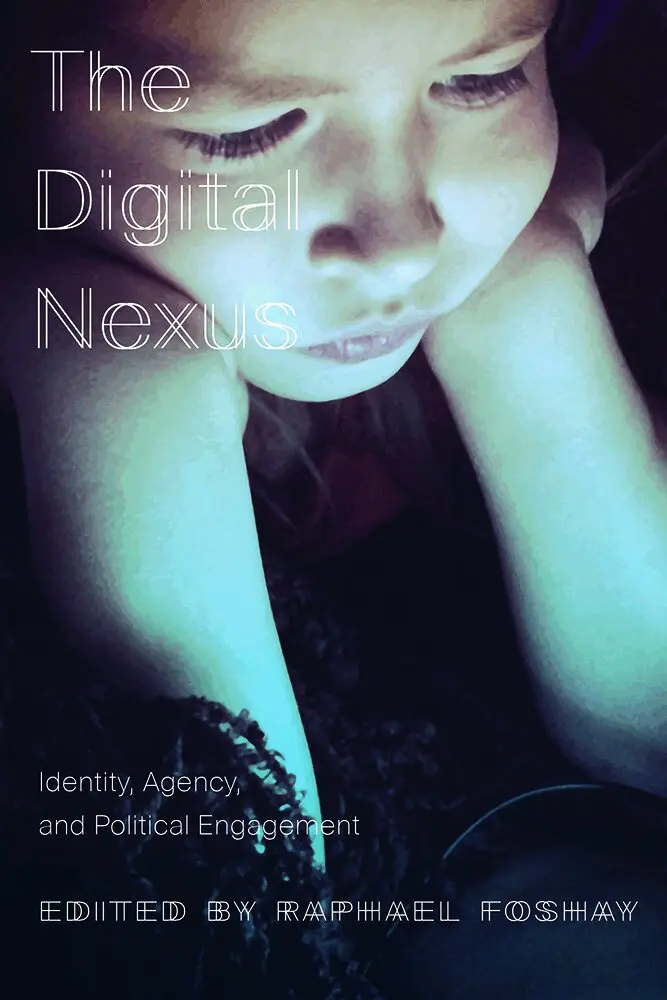
The totalizing scope of the combined effects of computerization and the worldwide network are the subject of the essays in The Digital Nexus, a volume that responds to McLuhan's request for a "special study" of the tsunami-like transformation of the communication landscape. These critical excursions provide analysis of and insight into the way new media technologies change the workings of social engagement for personal expression, social interaction, and political engagement. The contributors investigate the terms and conditions under which our digital society is unfolding and provide compelling arguments for the need to develop an accurate grasp of the architecture of the Web and the challenges that ubiquitous connectivity undoubtedly delivers to both public and private life.
376 kr
Skickas inom 7-10 vardagar
The modern university can trace its roots to Kant's call forenlightened self-determination, with education aiming to produce aninformed and responsible body of citizens. As the university evolved,specialized areas of investigation emerged, enabling ever more preciseresearch and increasingly nuanced arguments. In recent decades,however, challenges to hegemony of disciplines have arisen, partly inresponse to a perceived need for the university to focus greater energyon its public vocation—on teaching and the dissemination ofknowledge.Valences of Interdisciplinarity presents essays by aninternational array of scholars committed to enhancing ourunderstanding of the theoretical underpinnings and the practicalrealities of interdisciplinary teaching and research. What is, and whatshould be, motivating our reflections on, and our practice of,approaches that transcend the conventional boundaries of discipline?And in adopting such transdisciplinary approaches, how do we safeguardcritical methods and academic rigour? Reflecting on the obstacles theyhave encountered both as thinkers and as educators, the authors map outinnovative new directions for the interdisciplinary project. Together,the essays promise to set the standards of the debate aboutinterdisciplinarity for years to come.