Rashida Manjoo – författare
Visar alla böcker från författaren Rashida Manjoo. Handla med fri frakt och snabb leverans.
5 produkter
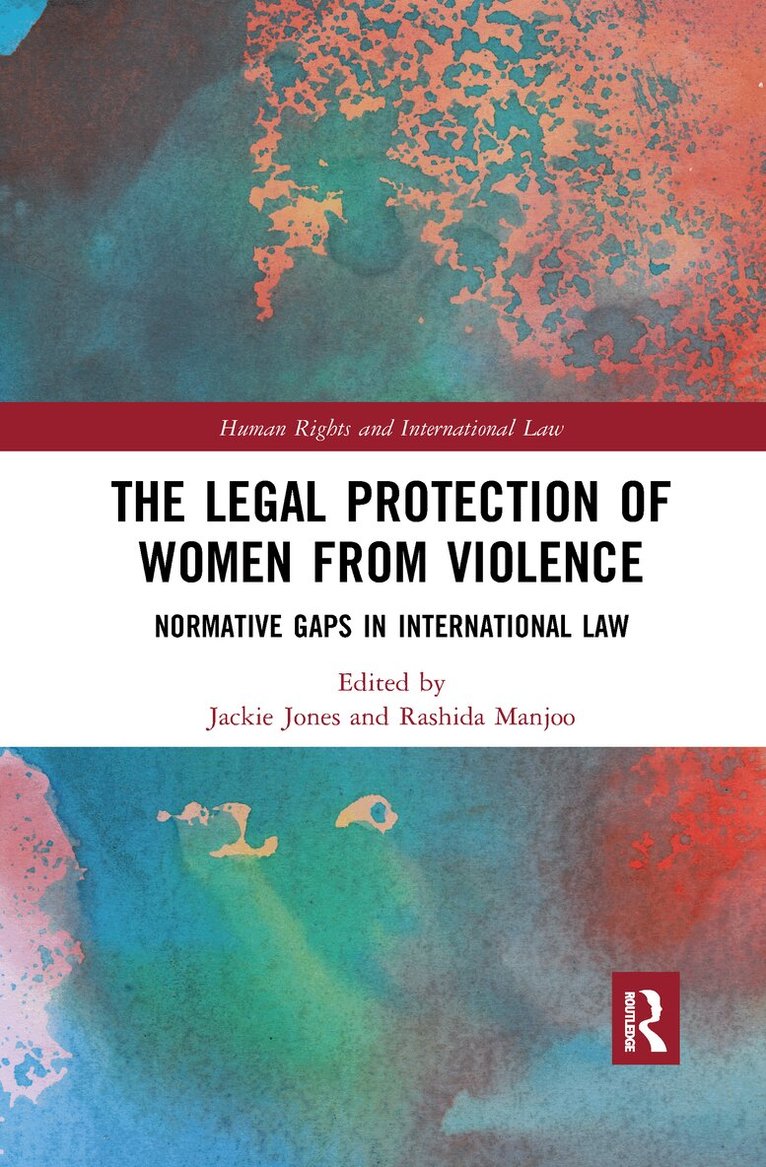
Legal Protection of Women From Violence
Normative Gaps in International Law
Av Rashida Manjoo, Jackie Jones
Häftad, 2019
664 kr
Lägg i varukorg
Violence against women remains one of the most pervasive human rights violations in the world today, and it permeates every society, at every level. Such violence is considered a systemic, widespread and pervasive human rights violation, experienced largely by women because they are women. Yet at …
Legal Protection of Women From Violence
Normative Gaps in International Law
Av Rashida Manjoo, Jackie Jones
Inbunden, 2018
2315 kr
Lägg i varukorg
Violence against women remains one of the most pervasive human rights violations in the world today, and it permeates every society, at every level. Such violence is considered a systemic, widespread and pervasive human rights violation, experienced largely by women because they are women. Yet at …
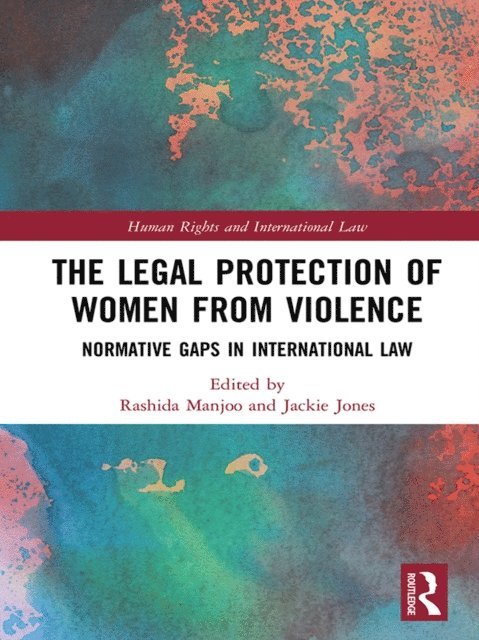
Legal Protection of Women From Violence
Normative Gaps in International Law
Av Jackie Jones, Rashida Manjoo
E-bok, 2018
781 kr
Lägg i varukorg
Violence against women remains one of the most pervasive human rights violations in the world today, and it permeates every society, at every level. Such violence is considered a systemic, widespread and pervasive human rights violation, experienced largely by women because they are women. Yet at …
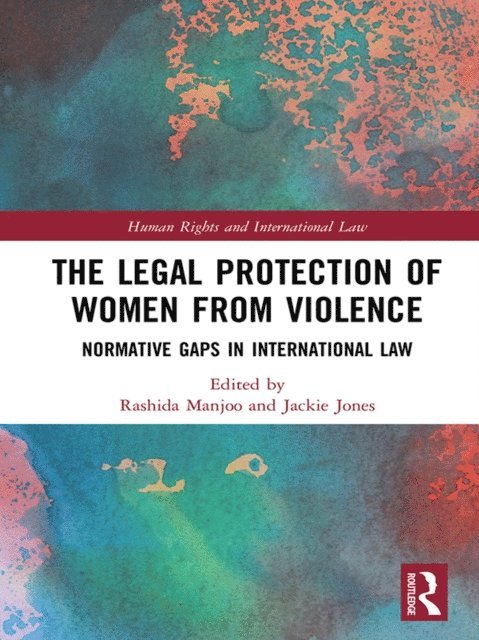
Legal Protection of Women From Violence
Normative Gaps in International Law
Av Jackie Jones, Rashida Manjoo
E-bok, 2018
781 kr
Lägg i varukorg
Violence against women remains one of the most pervasive human rights violations in the world today, and it permeates every society, at every level. Such violence is considered a systemic, widespread and pervasive human rights violation, experienced largely by women because they are women. Yet at …
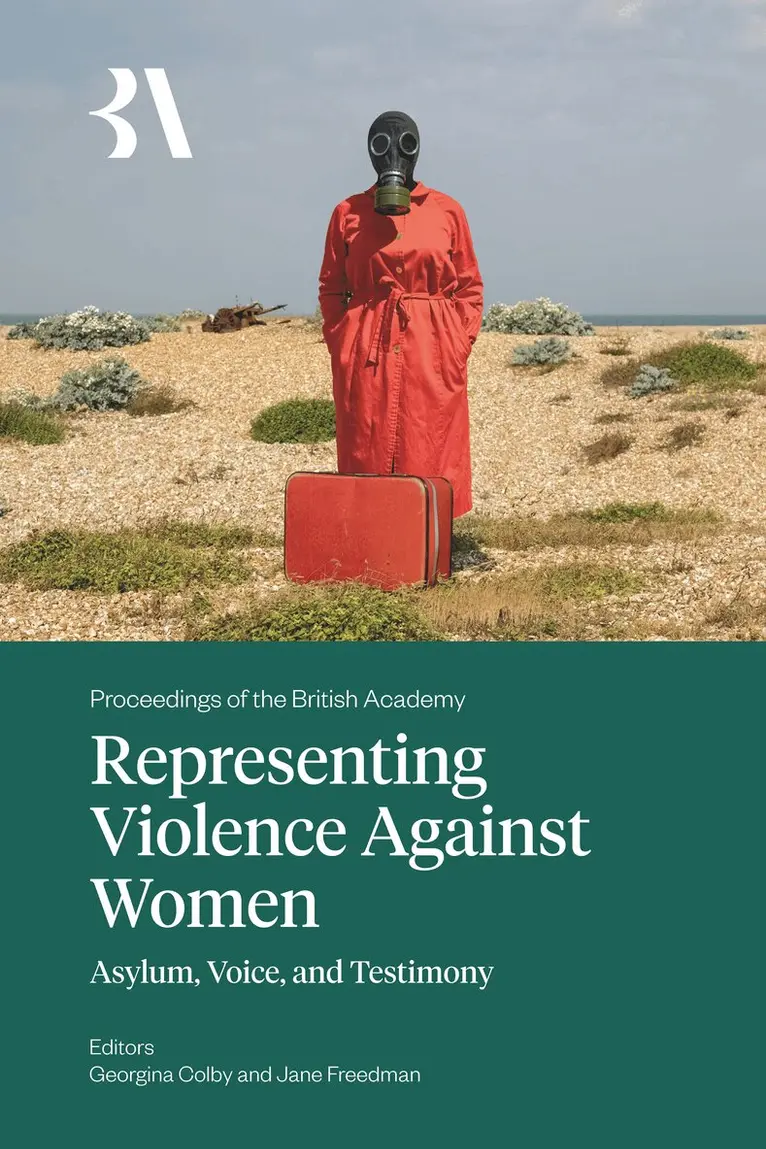
Representing Violence Against Women
Asylum, Voice, and Testimony
Av Rashida Manjoo, Georgina Colby m. fl.
Inbunden, 2026
1595 kr
Lägg i varukorg
This timely interdisciplinary volume brings academic research into dialogue with women who have experienced the asylum process, activists, and NGOs. It reveals the obstacles that women are confronted with during asylum processes, when relaying their testimonies that involve violence. Women’s voices …