Rasmus Ole Rasmussen - Böcker
Visar alla böcker från författaren Rasmus Ole Rasmussen. Handla med fri frakt och snabb leverans.
4 produkter
4 produkter
2 155 kr
Skickas inom 10-15 vardagar
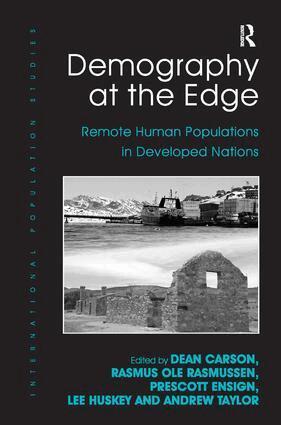
Addressing the methodological and topical challenges facing demographers working in remote regions, this book compares and contrasts the research, methods and models, and policy applications from peripheral regions in developed nations. With the emphasis on human populations as dynamic, adaptive, evolving systems, it explores how populations respond in different ways to changing environmental, cultural and economic conditions and how effectively they manage these change processes. Theoretical understandings and policy issues arising from demographic modelling are tackled including: competition for skilled workers; urbanisation and ruralisation; population ageing; the impacts of climate change; the life outcomes of Indigenous peoples; globalisation and international migration. Based on a strong theoretical framework around issues of heterogeneity, generational change, temporariness and the relative strength of internal and external ties, Demography at the Edge provides a common set of approaches and issues that benefit both researchers and practitioners.
756 kr
Skickas inom 10-15 vardagar
Addressing the methodological and topical challenges facing demographers working in remote regions, this book compares and contrasts the research, methods and models, and policy applications from peripheral regions in developed nations. With the emphasis on human populations as dynamic, adaptive, evolving systems, it explores how populations respond in different ways to changing environmental, cultural and economic conditions and how effectively they manage these change processes. Theoretical understandings and policy issues arising from demographic modelling are tackled including: competition for skilled workers; urbanisation and ruralisation; population ageing; the impacts of climate change; the life outcomes of Indigenous peoples; globalisation and international migration. Based on a strong theoretical framework around issues of heterogeneity, generational change, temporariness and the relative strength of internal and external ties, Demography at the Edge provides a common set of approaches and issues that benefit both researchers and practitioners.
Social and Environmental Impacts in the North: Methods in Evaluation of Socio-Economic and Environmental Consequences of Mining and Energy Production in the Arctic and Sub-Arctic
Inbunden, Engelska, 2003
3 162 kr
Skickas inom 10-15 vardagar
Future development in the Arctic and Subarctic region requires careful attention to the possible consequences of the development activities themselves, in relation to their environmental, socioeconomic and cultural impacts. A more thorough understanding of the impact of future activities, however, demands the dissemination and confrontation of results from different regions and different scientific traditions. This requires scientific cooperation, not only across disciplines but across borders. Primarily it requires both consensus and innovations in regard to methods. This text confronts such differences in approaches and methods in relation to the analysis of socioeconomic and environmental consequences of large-scale mineral and energy development activities in the Arctic and Subarctic, establishing the common ground upon which future research activities can be based.
Social and Environmental Impacts in the North: Methods in Evaluation of Socio-Economic and Environmental Consequences of Mining and Energy Production in the Arctic and Sub-Arctic
Häftad, Engelska, 2003
3 162 kr
Skickas inom 10-15 vardagar
Future development in the Arctic and Subarctic region requires careful attention to the possible consequences of the development activities themselves, in relation to their environmental, socioeconomic and cultural impacts. A more thorough understanding of the impact of future activities, however, demands the dissemination and confrontation of results from different regions and different scientific traditions. This requires scientific cooperation, not only across disciplines but across border. Primarily it requires both consensus and innovations in regard to methods. This book confronts such differences in approaches and methods in relation to the analysis of socioeconomic and environmental consequences of large-scale mineral and energy development activities in the Arctic and Subarctic, establishing the common ground upon which future research activities can be based.