
Ratan Kumar Saha – författare
Visar alla böcker från författaren . Handla med fri frakt och snabb leverans.
3 produkter
3 produkter
Häftad, Engelska, 2014
765 kr
Skickas inom 5-8 vardagar
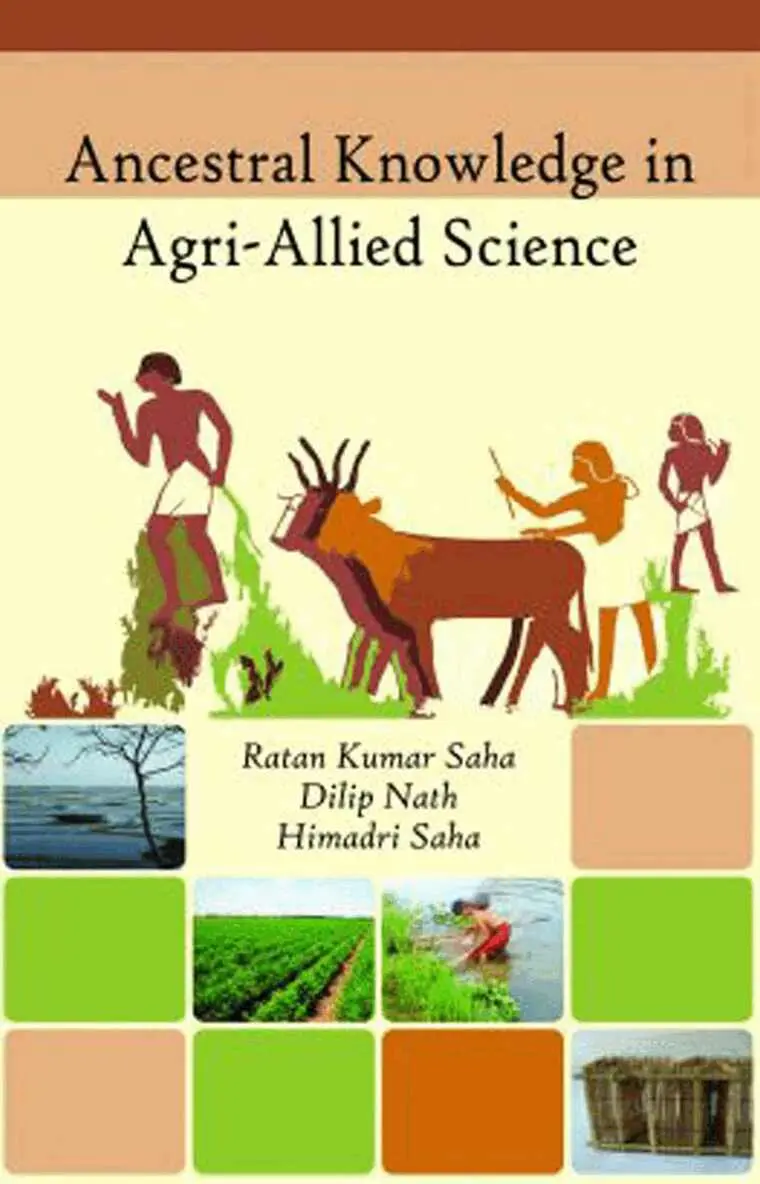
Indigenous knowledge is the collective wisdom of ethnic groups residing in diverse geographical regions throughout the world. This knowledge is based on the practical necessities and instincts of these communities, as well as their observations and curiosity. Over time, this local knowledge becomes socially accepted and validated, eventually becoming a part of the Indigenous Traditional Knowledge (ITK) of the society as a whole. Scientists in the knowledge-based economy recognize the potential value of indigenous knowledge in addressing modern agricultural and environmental challenges. Therefore, there is a need to study and document traditional knowledge in various ecological and cultural contexts. Researchers in different fields of agriculture and allied sectors are working on ITK. There is a demand for a comprehensive book that provides an overview of ITK, including its differences with science, the various tools and techniques used in ITK, its classification, importance, and utilization, as well as recent research on ITK in different regions of India. The aim of this book is to promote the study of ethnic knowledge in agriculture and allied sectors and to raise awareness of the significance of indigenous knowledge in the scientific community. This book will likely be well-received by Agricultural Universities, Animal Husbandry & Fisheries Universities, State Government Agri-allied Departments, Private and Public Sector Institutions, and other organizations involved in training, teaching, research, and extension in the agri-allied sector.
E-bok
Engelska, 20153 337 kr
Läs direkt efter köp
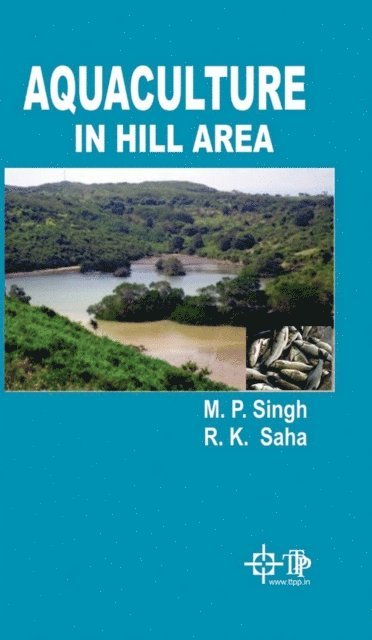
Our purpose in the book is to give an overview to start the location specific fish based farming system in the land locked states of the NE Region of India where suitable land is constrain for aquaculture. We are confident that this guidebook will prove helpful as a reference to fisheries/ agriculture/ horticulture/ forestry/ veterinary students, entrepreneurs, farm managers, extension workers and others to maintain a responsible sustainable fish based farming system in a particular area.
Inbunden, Engelska, 2014
1 895 kr
Skickas inom 5-8 vardagar
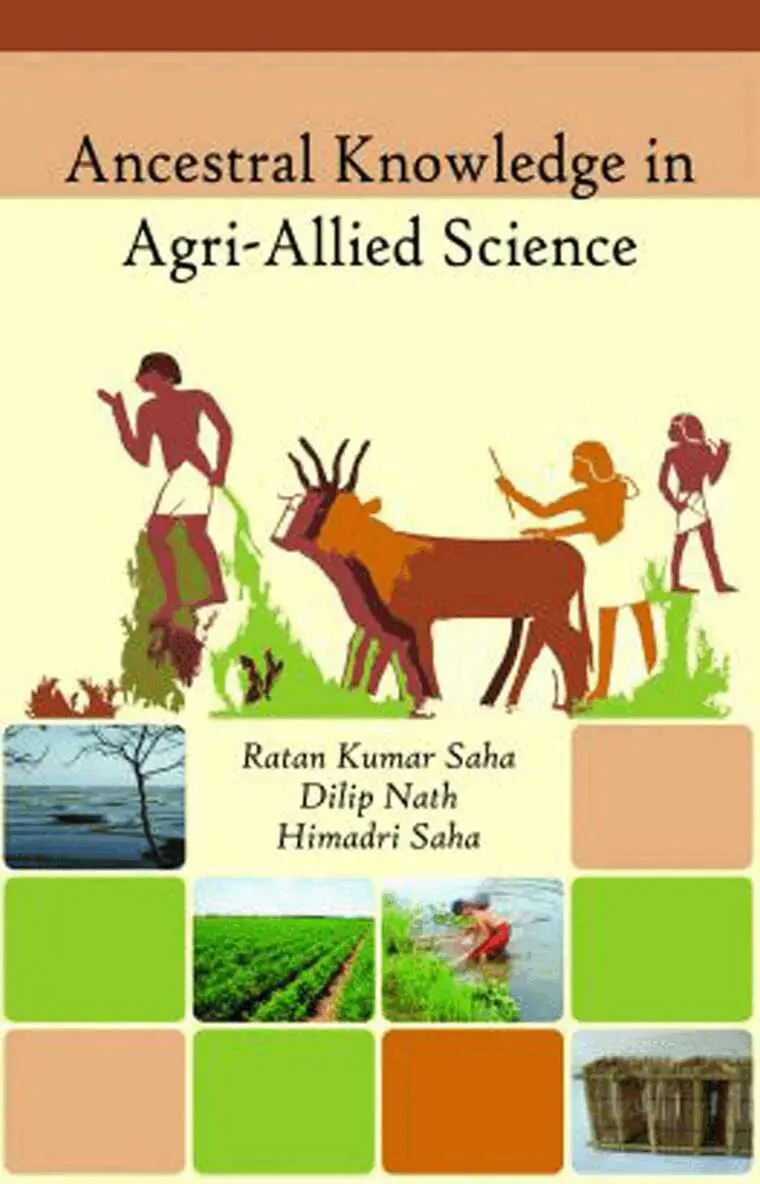
Indigenous knowledge refers to the accumulated wisdom and practices of indigenous communities that have developed over time in response to their unique cultural, linguistic, and environmental circumstances. This knowledge is often derived from practical experiences, instincts, and observations, and is passed down through generations. As such, it can provide valuable insights into addressing contemporary challenges in agriculture and the environment.Many researchers and scientists recognize the potential value of indigenous knowledge and are working to document and study it in various fields. There is a growing need for a comprehensive overview of indigenous traditional knowledge (ITK) that highlights its differences from scientific knowledge and outlines the various tools and techniques used in its practice. Additionally, it is important to understand the classification, significance, and potential applications of ITK.This book aims to provide a comprehensive overview of ITK, with a particular focus on its application in agriculture and allied sectors in India. The book will cover topics such as the differences between science and ITK, different tools and techniques used in ITK, the classification and importance of ITK, and recent research in the field. The objective of this book is to encourage further study and exploration of indigenous knowledge in different fields of agriculture and allied sectors. It is also intended to raise awareness about the importance of indigenous knowledge in the scientific community and beyond. This book will be of interest to a wide range of readers, including those in agricultural universities, animal husbandry and fisheries universities, state government agri-allied departments, private and public sector institutions, and others involved in training, teaching, research, and extension work in the agri-allied sector.