Raul Brandão – författare
Visar alla böcker från författaren . Handla med fri frakt och snabb leverans.
6 produkter
6 produkter
Inbunden, Portugisiska, 2022
430 kr
Skickas inom 5-8 vardagar
Häftad, Portugisiska, 2022
271 kr
Skickas inom 5-8 vardagar
Häftad, Engelska, 2020
292 kr
Skickas inom 3-6 vardagar
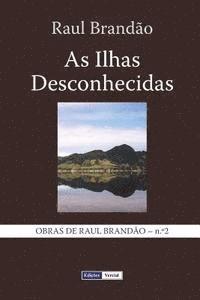
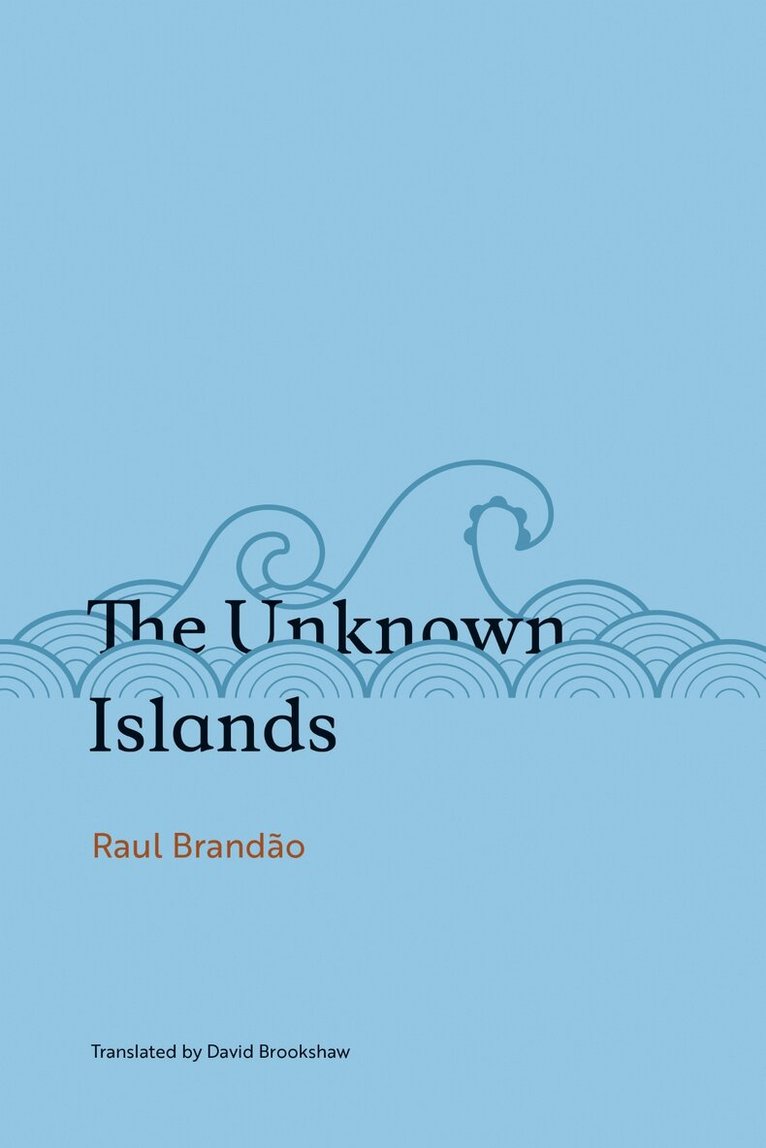
The Unknown Islands is considered one of the most beautiful works of travel literature in Portuguese and one of the most important homages to the Azorean archipelago. In the summer of 1924, Raul Brandão undertook a trip with other intellectuals through the Azores and Madeira. Fascinated with the landscapes of the islands and seduced by the people, he went on to pen this foundational text of Azorean literature—elegantly capturing the history, memory, and imaginary of this storied place.
E-bok
Portugisiska, 202011 kr
Läs direkt efter köp
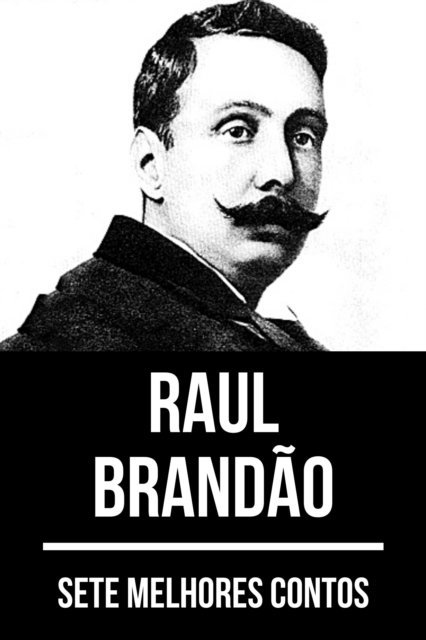
Na coleção Sete Melhores Contos o crítico August Nemo apresenta autores que fazem parte da história da literatura em língua portuguesa.Neste volume temos Raul Brandão, um escritor português, famoso pelo realismo das suas descrições e pelo lirismo da linguagem. Deixou uma extensa obra literária e jornalística que muito influenciou a literatura em língua portuguesa com o seu lirismo e profundidade filosófica, marcando o seu comprometimento ético e social, numa linguagem forte de contrastes, contradições e rupturas que prefiguram a modernidade do sec XX.Não deixe de conferir os demais volumes desta série!Os contos presentes nessa obra são:As Mulheres.A Árvore.Os Pêssegos.O Homem do Cancro.Natal dos Pobres.O Ladrão e a Filha.A Morte.
Häftad, Spanska, 2023
228 kr
Skickas inom 5-8 vardagar
Häftad, Engelska, 2016
158 kr
Tillfälligt slut
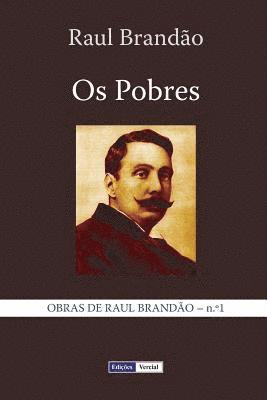
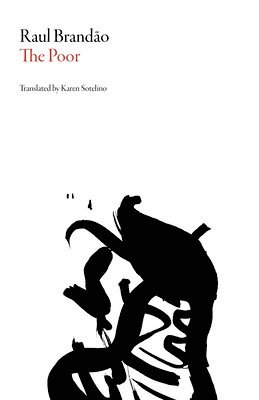
The Poor (Os Pobres, 1906), by Portuguese author Raul Brandão, is a powerful tribute to the underclasses. Innovative thematically and stylistically, the novel consists of loosely connected vignettes on two narrative levels: the lives of prostitutes, where the inexorable need for love is transformed into a means for survival; and the life of Gebo, a seemingly slovenly man, with neither sentiment nor intelligence. Instead, as he searches tirelessly for work—and loves his daughter and wife with tenderness and constancy—he is revealed as a victim of the economic situation in Portugal. With prescience, Brandão emphasizes the interdependence between nature and humankind by intertwining descriptions of physical and human surroundings, while his depictions of desperation, sorrow and violence prefigure the works of contemporary Portuguese writers.