Ray Deacon – författare
Visar alla böcker från författaren . Handla med fri frakt och snabb leverans.
2 produkter
2 produkter
Inbunden, Engelska, 2026
314 kr
Kommande
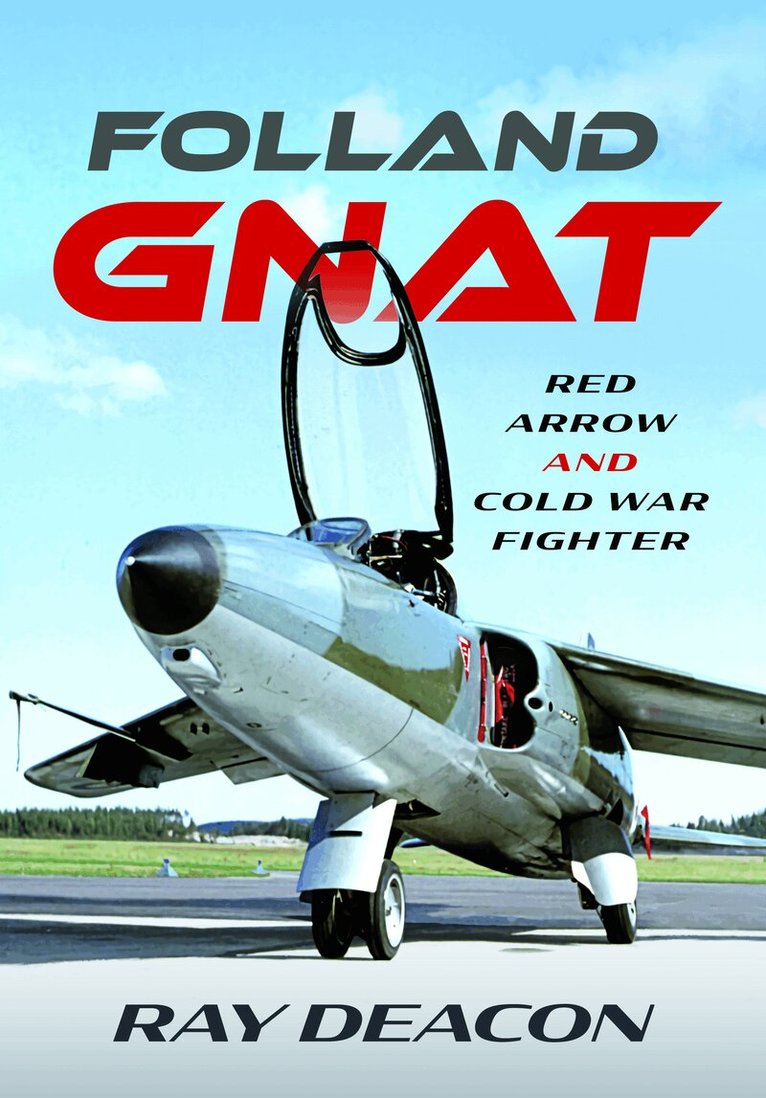
Folland Gnat: Red Arrow and Cold War Fighter presents an illustrated and factual record of the challenges faced by William Petter, chief designer at Folland Aircraft, in gaining recognition for his cheap, lightweight fighter concept. He saw it as a viable alternative to other front-line interceptors, such as the Hunter and Swift, under development in the early 1950s. Petter called his fighter the Gnat, although ‘pocket rocket’ became a popular alternative.Unperturbed at having failed to attract interest from the RAF or Air Ministry, Petter decided to proceed with a privately-funded prototype powered by an Armstrong-Siddeley Viper engine to prove his design’s viability. Named Midge, the aircraft made its maiden flight at Boscombe Down in August 1954 and performed well. In July of the following year, the prototype Gnat made its maiden flight powered by a more powerful Bristol Orpheus engine. The Ministry of Supply finally began to offer support, placing an order for six development Gnats for trials work, but no production orders were forthcoming.Conversely, the Indian Government was very impressed, placing orders for a batch of Gnat fighters, followed by licenced-manufacture of several hundred examples in India. The Gnat went on to serve the country well in two wars with neighbouring Pakistan. Recalled in detail are the shooting-down of a number of Pakistani F-86 Sabres by the Gnat leading to the legendary sobriquet, ‘Sabre Slayer’. At the other end of the spectrum, Finland decided to expand its air force with the purchase of a squadron of Gnat fighters.Anticipating a requirement for a Vampire T.11 replacement, Petter wasted no time in preparing designs for a tandem-seat trainer based on the Gnat fighter, his efforts being rewarded with orders for a production variant for the RAF. There are also detailed accounts of the aircraft’s impressive period displaying with the famous Yellowjacks and Red Arrows aerobatic teams.
E-bok
Engelska, 2021121 kr
Läs direkt efter köp
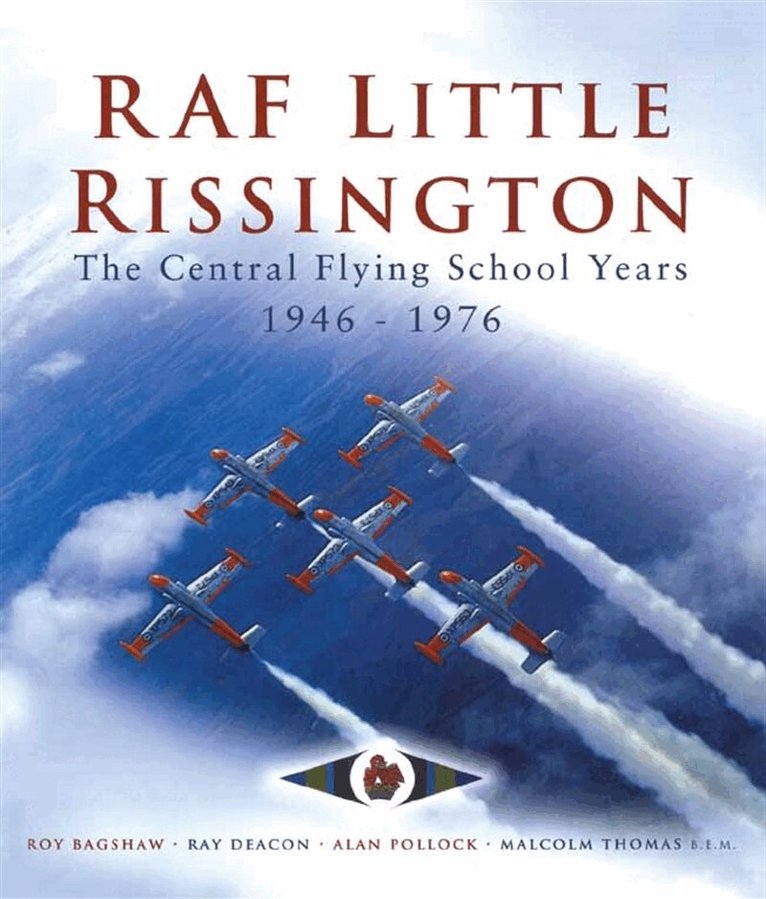
In the three decades between 1946 and 1976, the Central Flying School which was based at Little Rissington, produced over 6000 fledgling Qualified Flying Instructors and continually endeavoured to monitor and improve the wider Royal Air Force's standards of flying, based on its sound, proven instructional methods and a wealth of tradition extending back to Upavon in 1912. With the cessation of hostilities in 1945, the station's role took on a new dimension with the arrival of the Central Flying School (CFS) from RAF Upavon in the following year. The main function of CFS was to fulfil RAF requirements and assist some Commonwealth air force requirements for flying instructors. RAF Little Rissington became CFS's important focal base for the next thirty years. The book covers the 1946 to 1976 period and has been drawn from from the records at the National Archives, the RAF Museum, the Central Flying School Archive, and from published sources. Anecdotes and recollections from over 100 service and civilian personnel, ranging from Air Marshals to AC2s, who were once based at Little Rissington bring these unfolding years to life.