Ray Kinsella – författare
Visar alla böcker från författaren Ray Kinsella. Handla med fri frakt och snabb leverans.
9 produkter
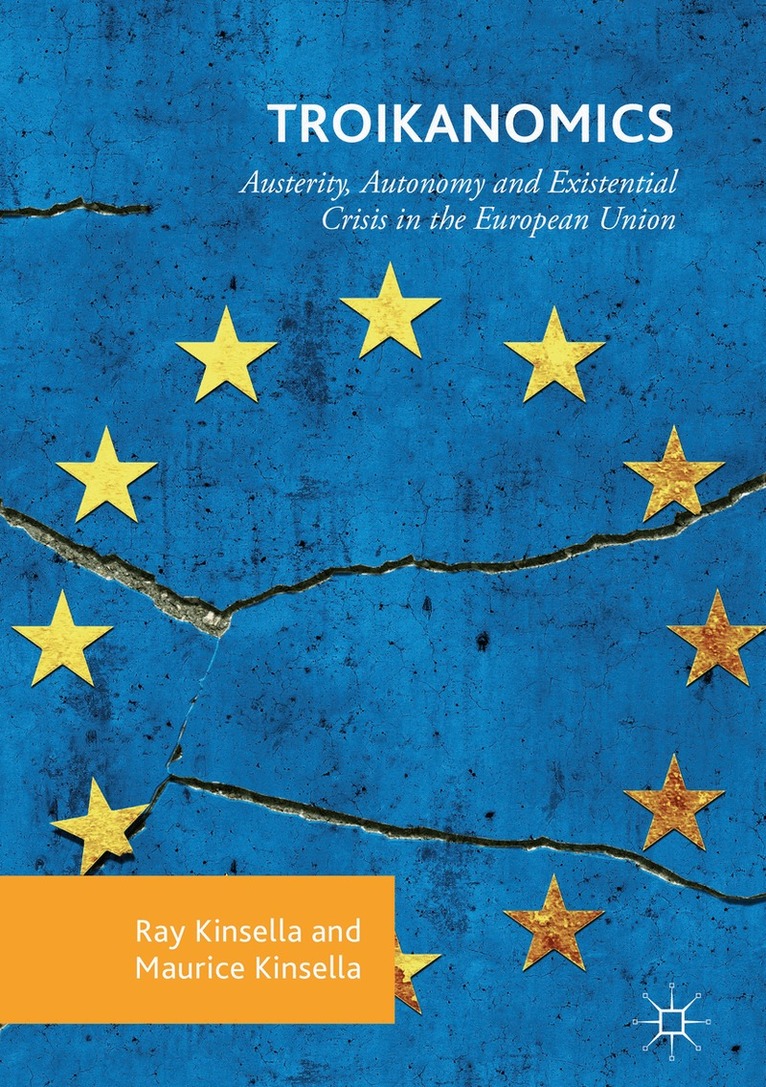
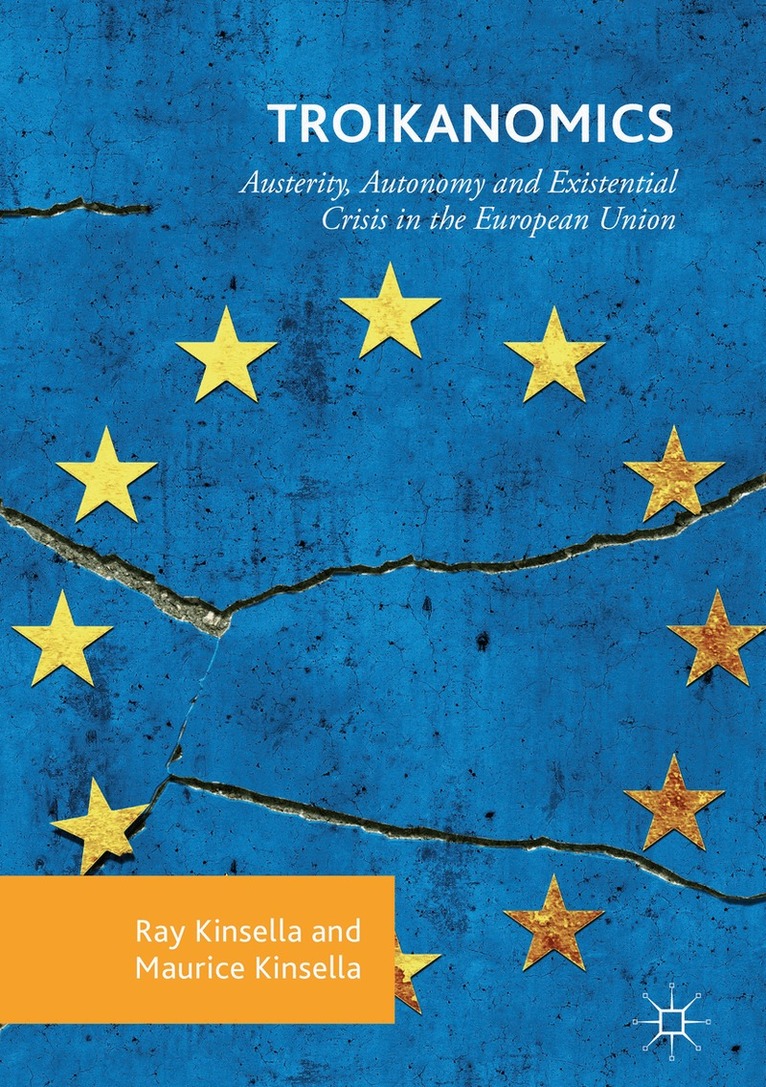
Troikanomics
Austerity, Autonomy and Existential Crisis in the European Union
Av Ray Kinsella, Maurice Kinsella
Häftad, 2020
880 kr
Lägg i varukorg
The ‘Troika’ is a word that is scorched into the narrative of the EU’s banking and economic crisis – a triumvirate constituted by the European Central Bank, the European Commission and the International Monetary Fund. The modus operandi of the Troika is defined by the authors of this book as …
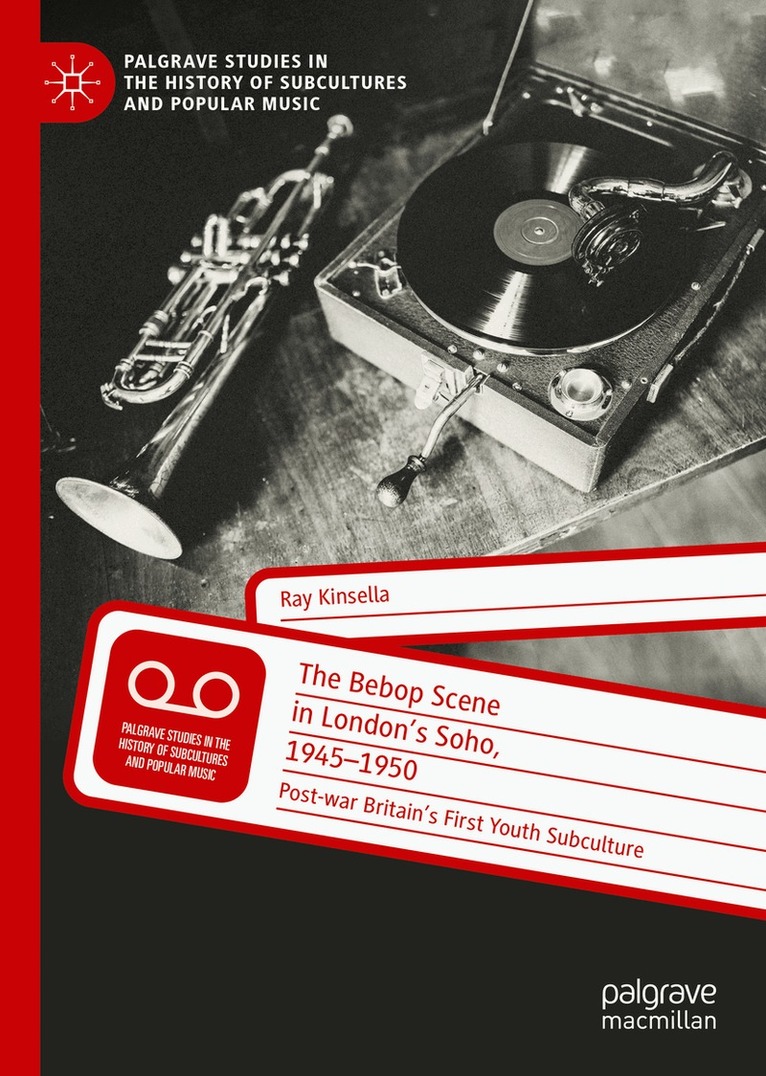
Bebop Scene in London's Soho, 1945-1950
Post-war Britain’s First Youth Subculture
Av Ray Kinsella
Inbunden, 2022
1046 kr
Lägg i varukorg
This is the first book to tell the story of the bebop subculture in London’s Soho, a subculture that emerged in 1945 and reached its pinnacle in 1950. In an exploration via the intersections of race, class and gender, it shows how bebop identities were constructed and articulated. Combining a wide …
Bebop Scene in London's Soho, 1945-1950
Post-war Britain’s First Youth Subculture
Av Ray Kinsella
E-bok, 2022
1838 kr
Lägg i varukorg
This is the first book to tell the story of the bebop subculture in London’s Soho, a subculture that emerged in 1945 and reached its pinnacle in 1950. In an exploration via the intersections of race, class and gender, it shows how bebop identities were constructed and articulated. Combining a wide …
The Bebop Scene in London's Soho, 1945-1950 : Post-war Britain's First Youth Subculture
Av Ray Kinsella
2022
667 kr
Lägg i varukorg
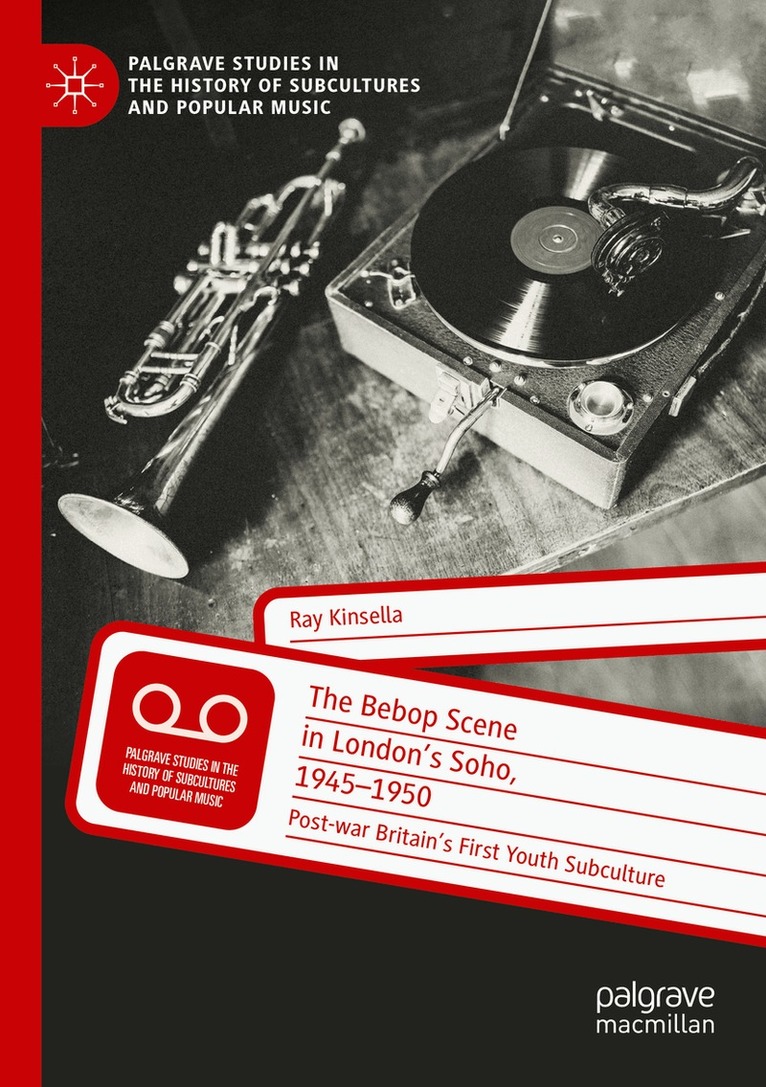
Bebop Scene in London's Soho, 1945-1950
Post-war Britain’s First Youth Subculture
Av Ray Kinsella
Häftad, 2023
1467 kr
Lägg i varukorg
This is the first book to tell the story of the bebop subculture in London’s Soho, a subculture that emerged in 1945 and reached its pinnacle in 1950. In an exploration via the intersections of race, class and gender, it shows how bebop identities were constructed and articulated. Combining a wide …
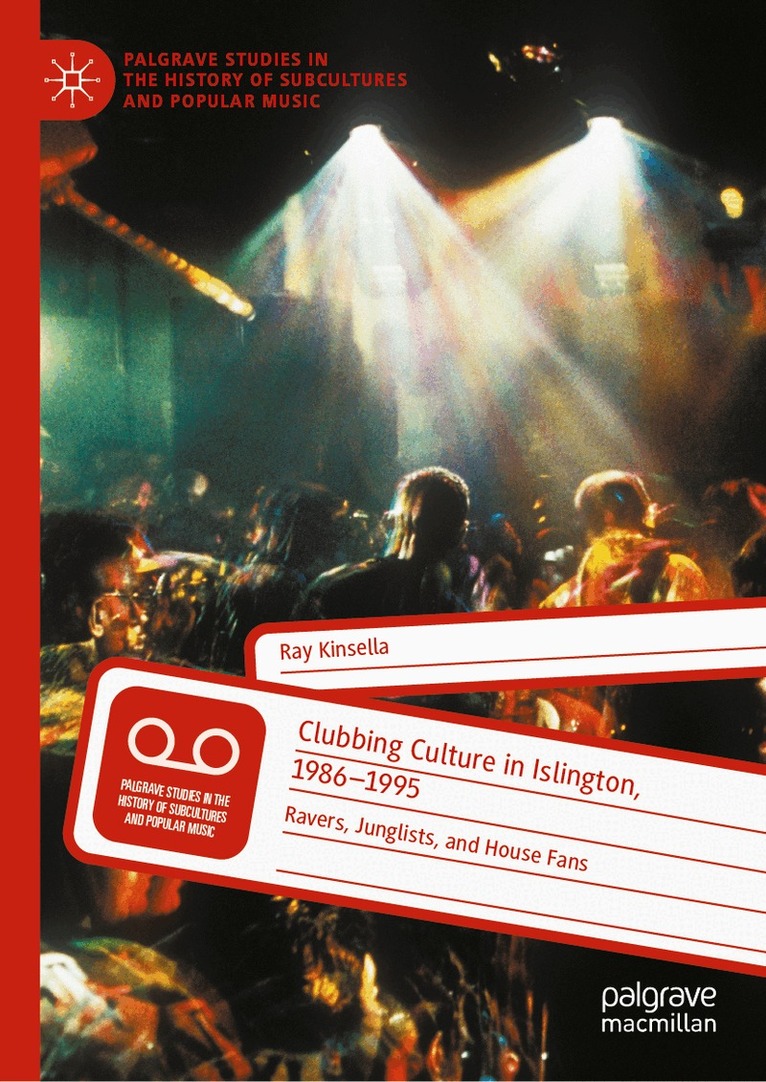
Clubbing Culture in Islington, 1986-1995
Ravers, Junglists, and House Fans
Av Ray Kinsella
Inbunden, 2026
1355 kr
Lägg i varukorg
This is the first book to map and celebrate the overlooked history of producers, promoters and DJs from Islington that contributed to the acid house and rave scene as it developed in derelict spaces in the borough in the late 1980s, and how this paved the way for the house and jungle scenes that …
Clubbing Culture in Islington, 1986-1995
Ravers, Junglists, and House Fans
Av Ray Kinsella
E-bok, 2026
1780 kr
Lägg i varukorg
This is the first book to map and celebrate the overlooked history of producers, promoters and DJs from Islington that contributed to the acid house and rave scene as it developed in derelict spaces in the borough in the late 1980s, and how this paved the way for the house and jungle scenes that …
Troikanomics
Austerity, Autonomy and Existential Crisis in the European Union
Av Ray Kinsella, Maurice Kinsella
Inbunden, 2018
1204 kr
Lägg i varukorg
The ‘Troika’ is a word that is scorched into the narrative of the EU’s banking and economic crisis – a triumvirate constituted by the European Central Bank, the European Commission and the International Monetary Fund. The modus operandi of the Troika is defined by the authors of this book as …
Troikanomics
Austerity, Autonomy and Existential Crisis in the European Union
Av Maurice Kinsella, Ray Kinsella
E-bok, 2018
1587 kr
Lägg i varukorg
The ‘Troika’ is a word that is scorched into the narrative of the EU’s banking and economic crisis – a triumvirate constituted by the European Central Bank, the European Commission and the International Monetary Fund. The modus operandi of the Troika is defined by the authors of this book as …