Scotland has one of the richest traditions of folklore in the world, and the nation’s greatest writers have been influenced by the country’s abundance of customs, superstitions, ghost stories and folktales. Robert Burns, Walter Scott, James Hogg and Robert Louis Stevenson all used Scottish folklore in their work.This book traces the roots and traditions of Scottish folklore and introduces all its key parts, combining a huge range of material from gypsy-lore and Arthurian legend to tales of magical beasts, demons and witches and lore associated with the natural world.
A detailed look at the two women in the life of Edward VII during his last years.Alice Keppel, youngest daughter of a Scottish retired admiral and MP emerged from obscurity in 1898 to become the publicly acknowledged mistress of the portly, fun-loving Prince of Wales, the future Edward VII.Agnes Keyser, daughter of a prominent member of the Stock exchange, defied social expectations by not marrying, instead becoming involved in hospital charity work. Her twelve-year relationship with the king was much less in the public eye, but was just as important.
Ever wondered how fat Henry VIII really was? Or what made Mary I ‘Bloody’?Over many hundreds of years, British royalty has had its fair share of accidents, rumours, scandals, misrepresentations and misconceptions. For instance, could Richard III be innocent of the deaths of the ‘Princes in the Tower’? And what really happened between Queen Victoria and her Highland servant John Brown?In today’s world, where newspapers clamour to report new revelations about the Royal Family, this informative and quirky book gives the inquisitive reader an in-depth look at the secrets of our past royals. For anyone curious about what went on behind the palace walls, Raymond Lamont-Brown answers those intriguing, confusing and mysterious questions we might have about our monarchs.
Fife has always been one of Scotland’s most distinctive counties. Though never a ’kingdom’ in its own right, its geographical position as a peninsular county between the firths of Tay and Forth has helped maintain its self-contained identity through the ages, and even today Fifers are notoriously proud of their varied and beautiful corner of Scotland. Although the county has played a central role in Scotland’s history since earliest times, its period of greatest historical prominence was during the pre-Industrial age. St Andrews was one of the country’s great ecclesiastical centres from the tenth century onwards, as well as the home of Scotland’s first university (1412). During Stewart times, Dunfermline and Falkland were two of Scotland’s most important towns. Not surprisingly for a county of such extraordinary historical resonance, Fife contains a huge number of churches, castles and houses that witnessed events that have quite literally shaped the nation.In this book, Raymond Lamont Brown introduces the reader to these places and those associated with them - from the great abbeys of Lindores and Balmerino and the major towns of St Andrews, Dunfermline and Kirkcaldy to the beautiful villages of the East Neuk and the islands of the Firth of Forth. In addition, he also introduces some of the less familiar details from Fife’s to produce the most complete introduction to this fascinating county currently available.
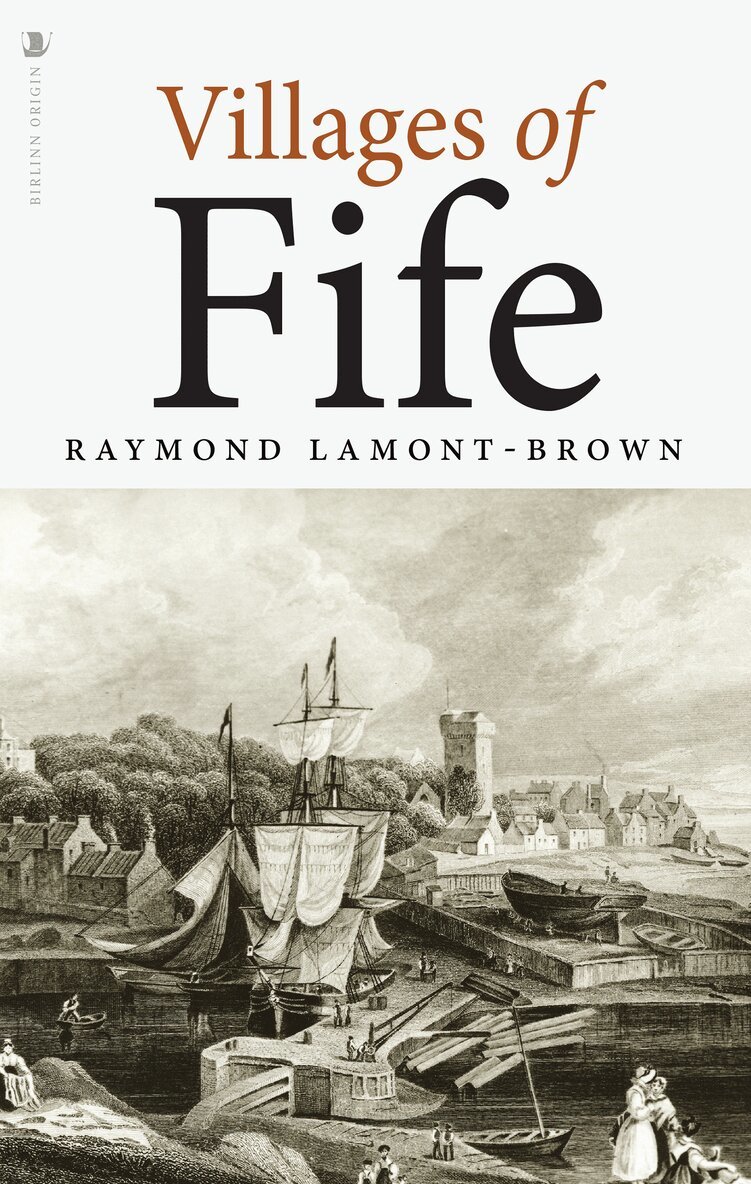
This book is an account of the people of Fife and their villages and hamlets, from medieval times to the present day. At one time or another, these habitations were the core of the country's community life, and their individual stories provide a rich source of Scotland's local and national history.Fife has seen many of the major events in Scottish history, and this book covers the places, parishes and people; their leaders, labour and leisure, and the part all strata of village society played in the vibrant country with the pretentions of a kingdom. From Kingsbarns to Saline and from Wormit to Dysart, Raymont Lamont-Brown reveals the myriad of villages, showing how they are as alive today as they ever were, still contributing to the ongoing story of Fife. In addition, he also seeks out the lost villages, the almost vanished prehistoric settlements, and shows what village names can tell us about locations, historical events and personages, and the life and industry of the people who lived in them. He also reviews the village heart of such larger places as St Andrews, Cupar, Dunfermline and Kirkcaldy.
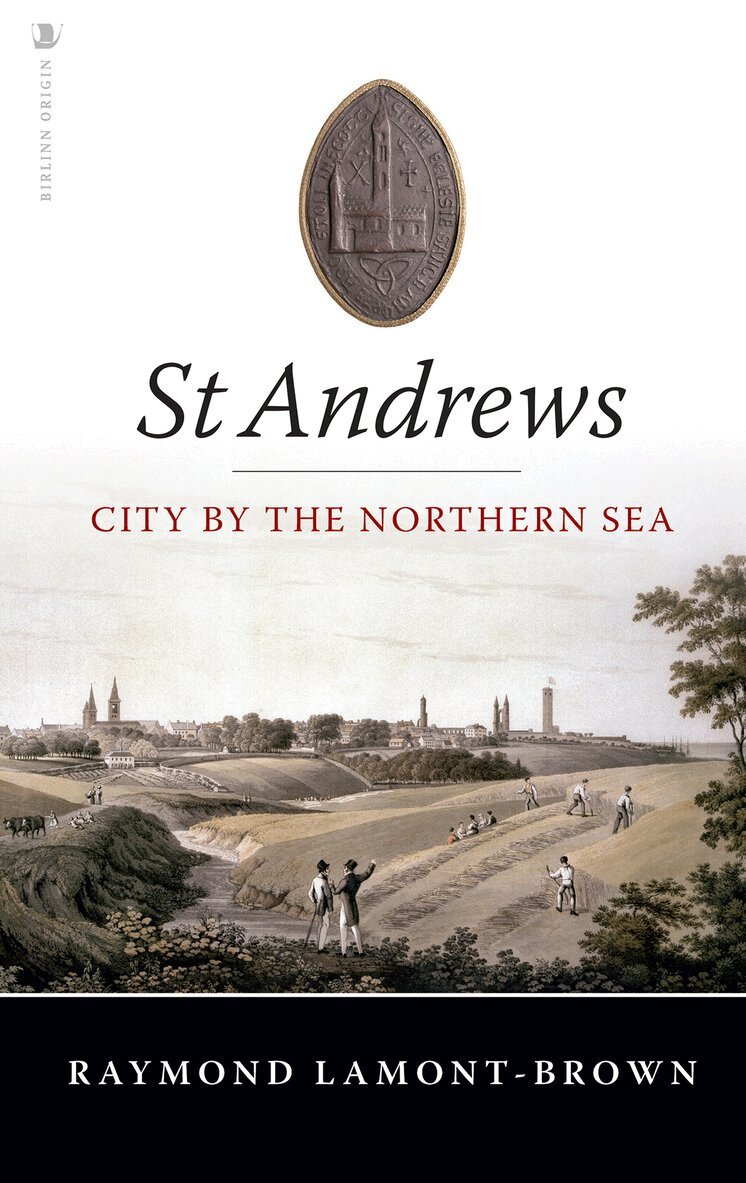
St Andrews is without doubt one of Scotland’s most historic and beautiful cities. Once the ecclesiastical capital of Scotland, it played a prominent role in the nation’s political life until the seventeenth century. In addition, it is also home of the nation’s oldest university; and whilst claims that it is the birthplace of golf may remain controversial, there is no doubt it is regarded as world capital of the game today. This fascinating and comprehensive account of St Andrews traces its history from Pictish times to the present day. It is based not only on a huge amount of original research, but also on an intimate knowledge of the town which Raymond Lamont-Brown accumulated in over twenty years’ residence there. In addition to facts and figures, the book also introduces many of the people who have featured prominently in the story of St Andrews – from doughty residents such as Sir Hugh Lyon Playfair and Cardinal Archbishop David Beaton to illustrious visitors like Mary, Queen of Scots, John Knox and Samuel Johnson.
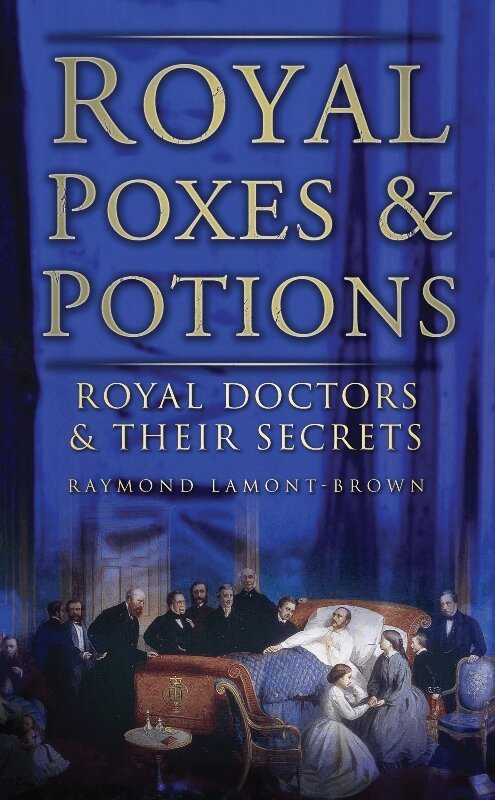
A detailed look at the relationships between monarchs and their doctors, some with a strong foundation of trust, others built on bitter hatred. The book reveals the complex and influential position these medical men had and provides an unusual perspective on the monarchy.
Royal Poxes and Potions is a fascinating look at the relationship between monarchs and their doctors and reveals the complex and influential position that they held.Acclaimed biographer Raymond Lamont Brown casts light on a previously overlooked aspect of the monarchy and the secrets it conceals. From the instigation of the royal doctor in medieval times and up to the present day, the tales of secrets, murder, medical incompetence and revolutionary operations make compelling reading.Included here is Sir William Gull, court physician to Queen Victoria, who was a suspect in the Jack the Ripper case, and Sir Frederick Treves, who was not only court physician to the four succeeding monarchs, but was also the man who helped to rescue the Elephant Man, Joseph Merrick, from a fairground freak show.