Raymond Unwin – författare
Visar alla böcker från författaren Raymond Unwin. Handla med fri frakt och snabb leverans.
13 produkter
Town Planning in Practice
An Introduction to the Art of Designing Cities and Suburbs
Inbunden, 2022
470 kr
Lägg i varukorg
Old Towns and New Needs; Also, The Town Extension Plan
Being the Warburton Lectures for 1912
Av Paul 1861-1924 Waterhouse, Raymond Unwin
Häftad, 2021
199 kr
Lägg i varukorg
Town Planning and Modern Architecture at the Hampstead Garden Suburb;
Av Raymond Unwin, M. H. Baillie (MacKay Hugh Bai Scott
Häftad, 2021
205 kr
Lägg i varukorg
Town Planning in Practice
An Introduction to the Art of Designing Cities and Suburbs
Häftad, 2022
352 kr
Lägg i varukorg
Nothing Gained by Overcrowding! How the Garden City Type of Development may Benefit Both Owner and Occupier
Inbunden, 2022
352 kr
Lägg i varukorg
Nothing Gained by Overcrowding! How the Garden City Type of Development may Benefit Both Owner and Occupier
Häftad, 2022
171 kr
Lägg i varukorg
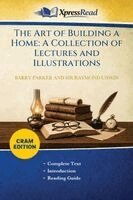
Art of Building a Home
A Collection of Lectures and Illustrations (Cram Edition)
Av Barry Parker, Raymond Unwin
Häftad, 2026
220 kr
Lägg i varukorg
Old Towns and new Needs; Also, The Town Extension Plan
Being the Warburton Lectures for 1912
Av Raymond Unwin, Paul Waterhouse
Inbunden, 2015
474 kr
Lägg i varukorg
Town planning and modern architecture at the Hampstead garden suburb
Av Raymond Unwin, M H Baillie Scott
Häftad, 2020
284 kr
Lägg i varukorg
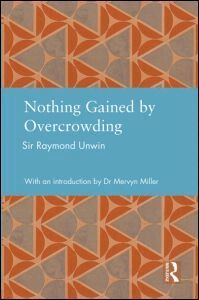
Nothing Gained by Overcrowding
Inbunden, 2013
1591 kr
Tillfälligt slut
In his 1912 pamphlet for the Garden Cities and Town Planning Association Nothing Gained by Overcrowding, Raymond Unwin set out in detail the lessons learnt from his formidable practical experience in the design and layout of housing: at New Earswick from 1902, Letchworth Garden City from 1905, and …