
Rayya El Zein – författare
Visar alla böcker från författaren . Handla med fri frakt och snabb leverans.
3 produkter
3 produkter
Inbunden, Engelska, 2025
906 kr
Skickas
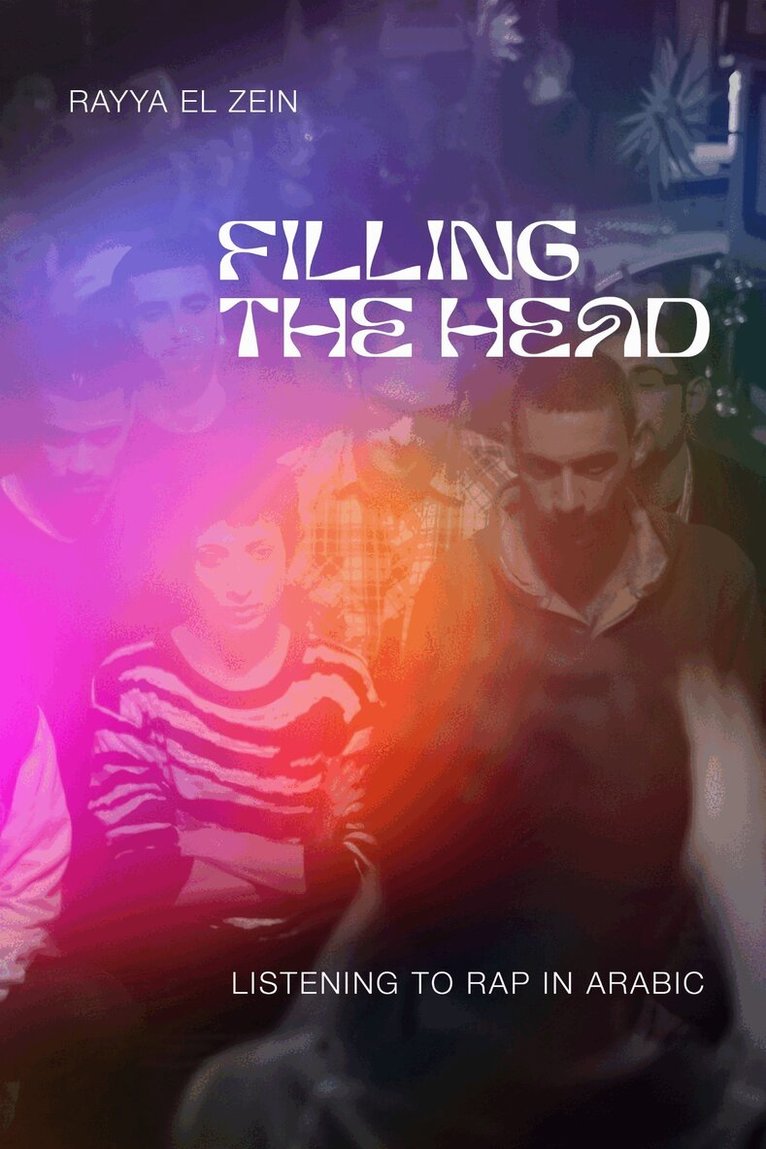
When asked what drew them to experimental Arabic-language rap, performers and fans shared a common refrain: various artists or tracks "filled their head" ('abba rasshom), offering relief from their dissatisfaction, cynicism, resignation, and disgust with contemporary politics and society. Based on ethnographic research in Ramallah (Palestine), Amman (Jordan), and Beirut (Lebanon), Filling the Head reveals how youths in these cities have maneuvered the challenges of making music while also navigating shifting geopolitical landscapes. Through these everyday experiences of being moved by music or ideas, Rayya El Zein explores how ordinary patterns of motion and emotion provide a space for political engagement when spectacular political movements like protests, strikes, or revolutions feel far away, forced, or otherwise impossible. In contrast to existing narratives that equate rap with popular political resistance against oppressive regimes, she argues instead for affective engagement through istifzaz—provocation or surprise—as well as yearning. Within this avant-garde genre, there is no design to reach the masses with a political message; in fact, as El Zein demonstrates, the refusal of artists to confine their lyrical or musical experimentation to an ethos of resistance creates an aesthetic whose lack of singular politics defines it.Threading reflections from fans, rappers, DJs, producers, and venue owners with thick descriptions of live concerts and mediated listening practices, Filling the Head offers new insights into what it means politically to be moved.
Häftad, Engelska, 2025
437 kr
Skickas inom 5-8 vardagar
When asked what drew them to experimental Arabic-language rap, performers and fans shared a common refrain: various artists or tracks "filled their head" ('abba rasshom), offering relief from their dissatisfaction, cynicism, resignation, and disgust with contemporary politics and society. Based on ethnographic research in Ramallah (Palestine), Amman (Jordan), and Beirut (Lebanon), Filling the Head reveals how youths in these cities have maneuvered the challenges of making music while also navigating shifting geopolitical landscapes. Through these everyday experiences of being moved by music or ideas, Rayya El Zein explores how ordinary patterns of motion and emotion provide a space for political engagement when spectacular political movements like protests, strikes, or revolutions feel far away, forced, or otherwise impossible. In contrast to existing narratives that equate rap with popular political resistance against oppressive regimes, she argues instead for affective engagement through istifzaz—provocation or surprise—as well as yearning. Within this avant-garde genre, there is no design to reach the masses with a political message; in fact, as El Zein demonstrates, the refusal of artists to confine their lyrical or musical experimentation to an ethos of resistance creates an aesthetic whose lack of singular politics defines it.Threading reflections from fans, rappers, DJs, producers, and venue owners with thick descriptions of live concerts and mediated listening practices, Filling the Head offers new insights into what it means politically to be moved.
Häftad, Engelska, 2026
187 kr
Kommande
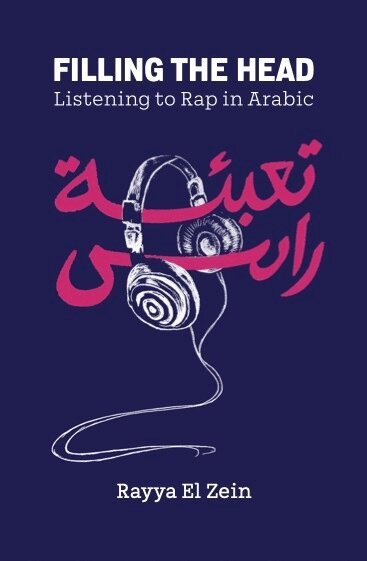
Based on ethnographic research in Ramallah (Palestine), Amman (Jordan), and Beirut (Lebanon), Rayya El Zein explores making and listening to music as an active navigation of shifting geopolitical landscapes.In Filling the Head: Listening to Rap in Arabic, ordinary motion and emotion are treated as political when spectacular political movements like protests, strikes, or revolutions feel far away, forced, or otherwise impossible. Threading reflections from fans, rappers, DJs, producers, and venue owners with thick descriptions of live concerts, El Zein offers new insights into what it means politically to be moved by music.Filling the Head challenges existing narratives that equate rap with popular political resistance against oppressive regimes. Through an affective engagement with istifzaz—provocation or surprise— and the refrain shared by fans and performers that the music "filled their head" (Arabic: ‘abba rasshom), this analysis attends to a music that is political in the relief it offers from cynicism, resignation, and disgust with contemporary politics and society.El Zein explores the political promise in artists' refusal to confine their lyrical or musical experimentation to an ethos of resistance.