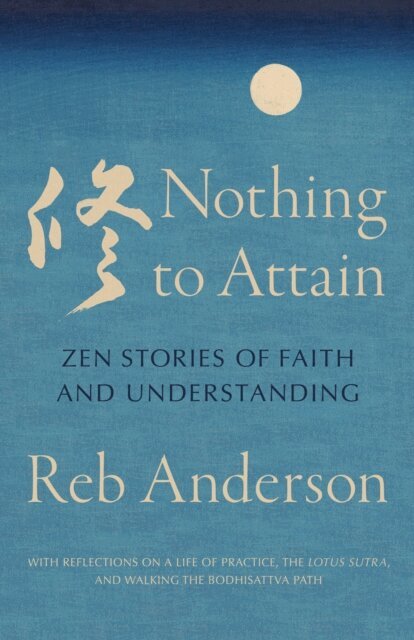
An exploration of the Zen Buddhist path through classic stories of the tradition—from the esteemed Zen teacher Reb Anderson.We all fully possess the wisdom and virtues of the buddhas. This is our original nature. It is completely pure and always accessible, but because of misconceptions and attachments we do not realize it. In the great Buddhist text the Lotus Sutra, there is a striking parable that expresses this idea. A child leaves his home village and becomes a destitute young man. Years later, he comes upon his father, who has moved to a new city and become quite wealthy—but he doesn’t recognize him. His father, however, recognizes the son, and sees his potential to become a great man. Slowly, his father trains him in the ways of maintaining the household, and slowly, the son gains confidence in himself. One day, having witnessed the son’s growth in character, his father tells him, “From now on, you and I are to be no different.” He reveals the truth of their family bond and bequeaths all his wealth to his son. We already are what we most deeply yearn for, and yet we need training to recognize this truth—such is the essence of the Zen spiritual path. Informed by a lifetime of practice, this mature reflection explores key aspects of Zen training—including the guidance of the teacher, the taking of precepts, the study of the mind, and the cultivation of compassion—through the lens of the parable of the destitute son. With insightful reflections on additional Zen stories, as well as the author’s own life stories and memories of such legendary teachers as Shunryu Suzuki Roshi and Daini Katagiri Roshi, Nothing to Attain offers readers a new way of looking at their own spiritual path—not as a journey to a foreign destination but as a homecoming to the place we’ve always belonged.
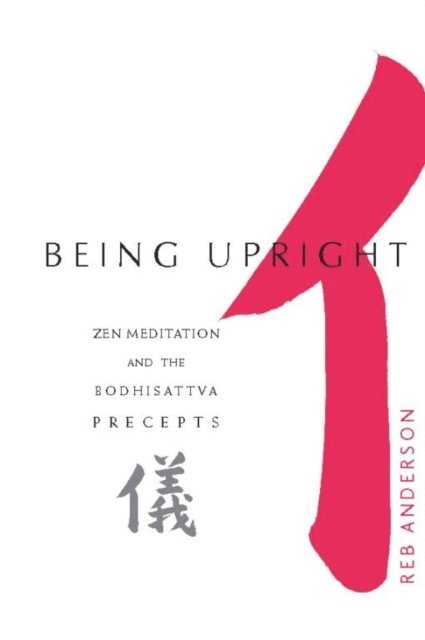
Being Upright takes us beyond the conventional interpretation of ethical precepts to the ultimate meaning that informs them. Reb Anderson first introduces us to the fundamental ideas of Zen Buddhist practice. Who was Shakyamuni Buddha and what was his central teaching? What does it mean to be a bodhisattva and take the bodhisattva vow? Why should we confess and acknowledge our ancient twisted karma? What is the significance of taking refuge in Buddha, dharma, and sangha? The author explores the ten basic precepts, including not killing, not stealing, not lying, not misusing sexuality, and not using intoxicants. A gifted storyteller, Anderson takes us to the heart of situations, where moral judgments are not easy and we do not have all the answers. With wisdom and compassion, he teaches us how to confront the emotional and ethical turmoil of our lives.
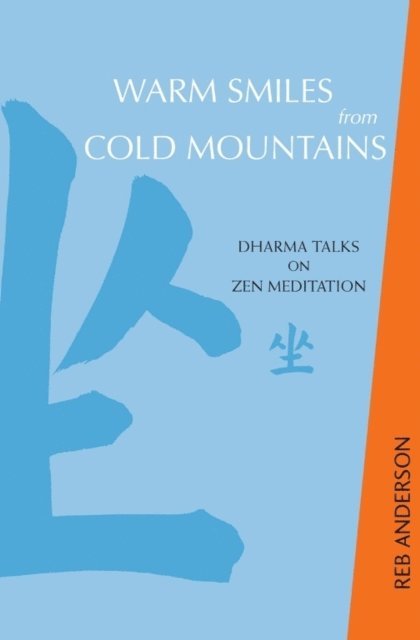
A collection of dharma talks, Warm Smiles from Cold Mountains explores the life of passionate commitment that lies at the heart of the formal practice of Zen meditation. Reb Anderson draws on over thirty years of experience as a Zen priest, exploring Buddhist yoga and psychology and the relationship of wisdom and compassion to the personal, social, and ecological crises of our time. At once inspirational and practical, he bows to an ancient tradition as he helps us to forge a modern-day Buddhism that urges us "to sit still in the middle of all living beings."
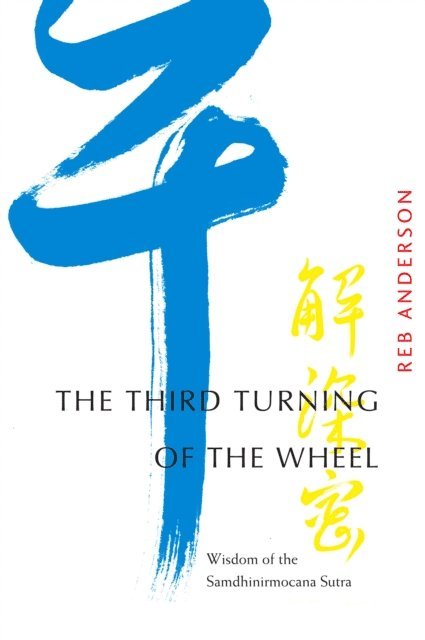
In his previous book, Being Upright: Zen Meditation and the Bodhisattva Precepts, Reb Anderson Roshi described how we must become thoroughly grounded in conventional truth through the practice of compassion before we can receive the teachings of the ultimate truth. In The Third Turning of the Wheel, he introduces us to the next stage of our journey by invoking the wisdom of the Samdhinirmocana Sutra.According to Anderson, the main purpose behind this enigmatic sutra is to reconcile the apparent contradictions between the original teachings of the historical Buddha and the later teachings of Mahayana Buddhism. Anderson reflects on the great metaphysical questions proposed in the Samdhinirmocana Sutra—the nature of ultimate reality, the structure of human consciousness, the characteristics of phenomena, the stages of meditation, and the essential qualities of a buddha—with the clarity of a scholar and the insight of a practitioner.