Rebecca LeMoine – författare
Visar alla böcker från författaren Rebecca LeMoine. Handla med fri frakt och snabb leverans.
3 produkter
3 produkter
1 220 kr
Skickas inom 5-8 vardagar
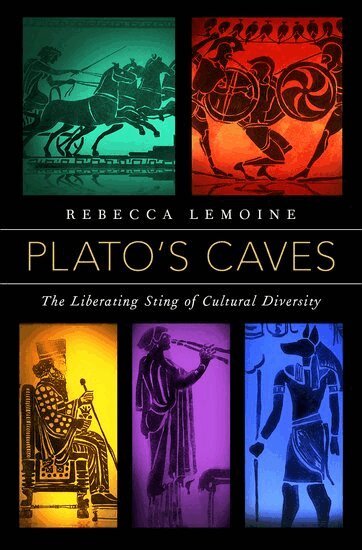
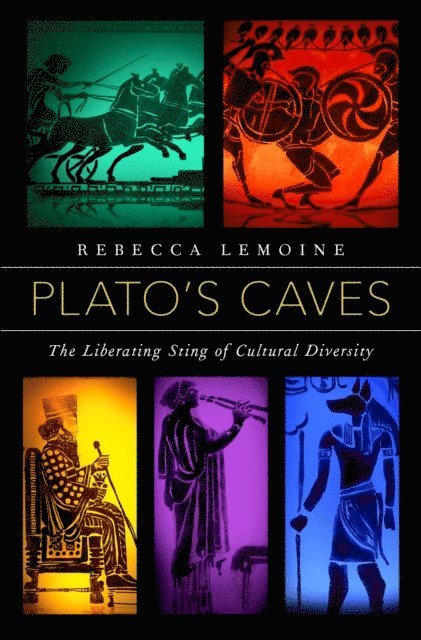
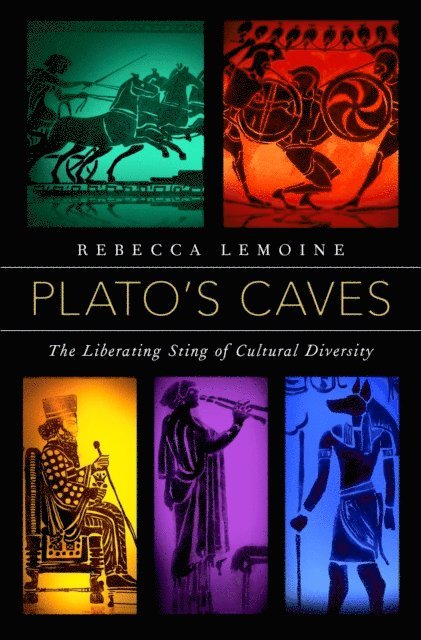
Months before the 2016 United States presidential election, universities across the country began reporting the appearance of white nationalist flyers featuring slogans like "Let's Become Great Again" and "Protect Your Heritage" against the backdrop of white marble statues depicting figures such as Apollo and Hercules. Groups like Identity Evropa (which sponsored the flyers) oppose cultural diversity and quote classical thinkers such as Plato in support of their anti-immigration views. The traditional scholarly narrative of cultural diversity in classical Greek political thought often reinforces the perception of ancient thinkers as xenophobic, and this is particularly the case with interpretations of Plato. While scholars who study Plato reject the wholesale dismissal of his work, the vast majority tend to admit that his portrayal of foreigners is unsettling. From student protests over the teaching of canonical texts such as Plato's Republic to the use of images of classical Greek statues in white supremacist propaganda, the world of the ancient Greeks is deeply implicated in a heated contemporary debate about identity and diversity. In Plato's Caves, Rebecca LeMoine defends the bold thesis that Plato was a friend of cultural diversity, contrary to many contemporary perceptions. LeMoine shows that, across Plato's dialogues, foreigners play a role similar to that of Socrates: liberating citizens from intellectual bondage. Through close readings of four Platonic dialogues--Republic, Menexenus, Laws, and Phaedrus--LeMoine recovers Plato's unique insight into the promise, and risk, of cross-cultural engagement. Like the Socratic "gadfly" who stings the "horse" of Athens into wakefulness, foreigners can provoke citizens to self-reflection by exposing contradictions and confronting them with alternative ways of life. The painfulness of this experience explains why encounters with foreigners often give rise to tension and conflict. Yet, it also reveals why cultural diversity is an essential good. Simply put, exposure to cultural diversity helps us develop the intellectual humility we need to be good citizens and global neighbors. By illuminating Plato's epistemological argument for cultural diversity, Plato's Caves challenges readers to examine themselves and to reinvigorate their love of learning.
472 kr
Skickas inom 5-8 vardagar
Classical antiquity has become a political battleground in recent years in debates over immigration and cultural identity-whether it is ancient sculpture, symbolism, or even philosophy. Caught in the crossfire is the legacy of the famed ancient Greek philosopher Plato. Though works such as Plato's Republic have long been considered essential reading for college students, protestors on campuses around the world are calling for the removal of Plato's dialogues from the curriculum, contending that Plato and other thinkers in the Western philosophical tradition promote xenophobic and exclusionary ideologies. The appropriation of the classics by white nationalists throughout history--from the Nazis to modern-day hate groups--appears to lend credence to this claim, and the traditional scholarly narrative of cultural diversity in classical Greek political thought often reinforces the perception of ancient thinkers as xenophobic. This is particularly the case with interpretations of Plato. While scholars who study Plato reject the wholesale dismissal of his work, the vast majority tend to admit that his portrayal of foreigners is unsettling. From student protests over the teaching of canonical texts such as Plato's Republic to the use of images of classical Greek statues in white supremacist propaganda, the world of the ancient Greeks is deeply implicated in a heated contemporary debate about identity and diversity. Plato's Caves defends the bold thesis that Plato was a friend of cultural diversity, contrary to many contemporary perceptions. It shows that, across Plato's dialogues, foreigners play a role similar to that of Socrates: liberating citizens from intellectual bondage. Through close readings of four Platonic dialogues--Republic, Menexenus, Laws, and Phaedrus--Rebecca LeMoine recovers Plato's unique insight into the promise, and risk, of cross-cultural engagement. Like the Socratic "gadfly" who stings the "horse" of Athens into wakefulness, foreigners can provoke citizens to self-reflection by exposing contradictions and confronting them with alternative ways of life. The painfulness of this experience explains why encounters with foreigners often give rise to tension and conflict. Yet it also reveals why cultural diversity is an essential good. Simply put, exposure to cultural diversity helps one develop the intellectual humility one needs to be a good citizen and global neighbor. By illuminating Plato's epistemological argument for cultural diversity, Plato's Caves challenges readers to examine themselves and to reinvigorate their love of learning.
1 617 kr
Kommande
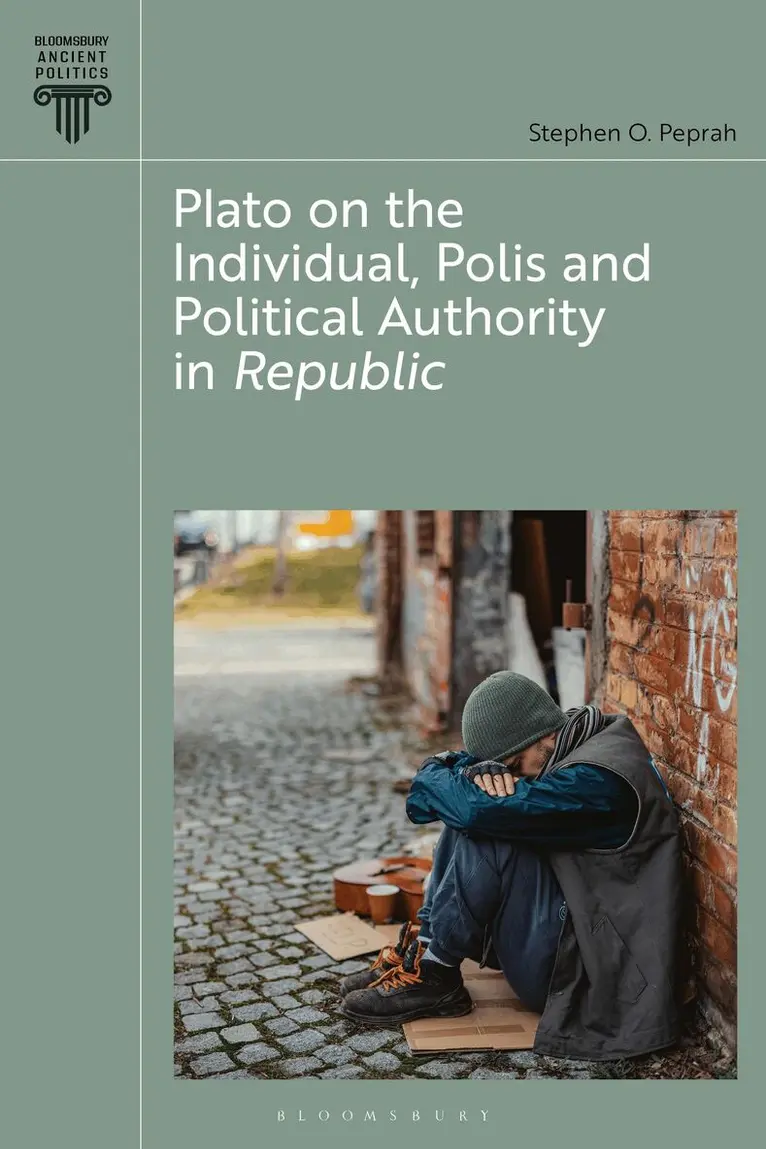
Offering an in-depth examination of the political philosophy of Plato’s Republic, Stephen O. Peprah challenges the prevalent scholarly interpretation that misreads and underestimates Plato’s view of the status and role of non-philosophical citizens. Rather than seeing the ordinary human beings who make up the civic population as servile to the select philosophical elite, the argument is not only that they make an important contribution to the polis based on their moral, epistemic, and somatic competences, but that the political community serves their well-being.Grounded in recent work on Plato’s political philosophy and within Plato’s contractarian commitment (koinonia) in Book II of Republic, this study shows that the individual and the polis have positive, if not equal, standing. Each is positively dependent on the other, and political authority of the philosopher-rulers is justified to create enabling conditions to facilitate this mutual interdependence. And so, by arguing that Plato’s just society – Kallipolis – evolves from the collaborative efforts of individuals who aim to deal with a common human predicament (insufficiency), Peprah reveals that Platonic political theory is engineered to be a more inclusive system than previously thought. This study is an important reassessment that shows the artisans of Republic as possessing individual and political agency.