Rebecca Perry – författare
Visar alla böcker från författaren Rebecca Perry. Handla med fri frakt och snabb leverans.
8 produkter
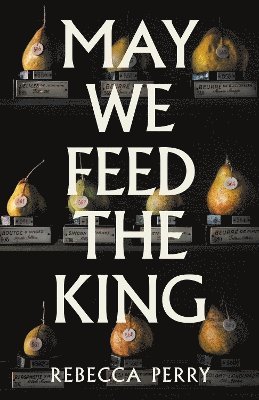
May We Feed the King
Shortlisted for the Booker Prize 2026
Inbunden, 2026
194 kr
Lägg i varukorg
SHORTLISTED FOR THE BOOKER PRIZE 2026 A SUNDAY TIMES BESTSELLERWINNER OF THE WATERSTONES DEBUT FICTION PRIZE 2026AN OBSERVER BEST DEBUT NOVELIST 2026BOOKSELLERS ARE SAYING:"A unique debut executed with richness and perfection" Jack at Waterstones Victoria"Beautiful, artistic, philosophical, curious …
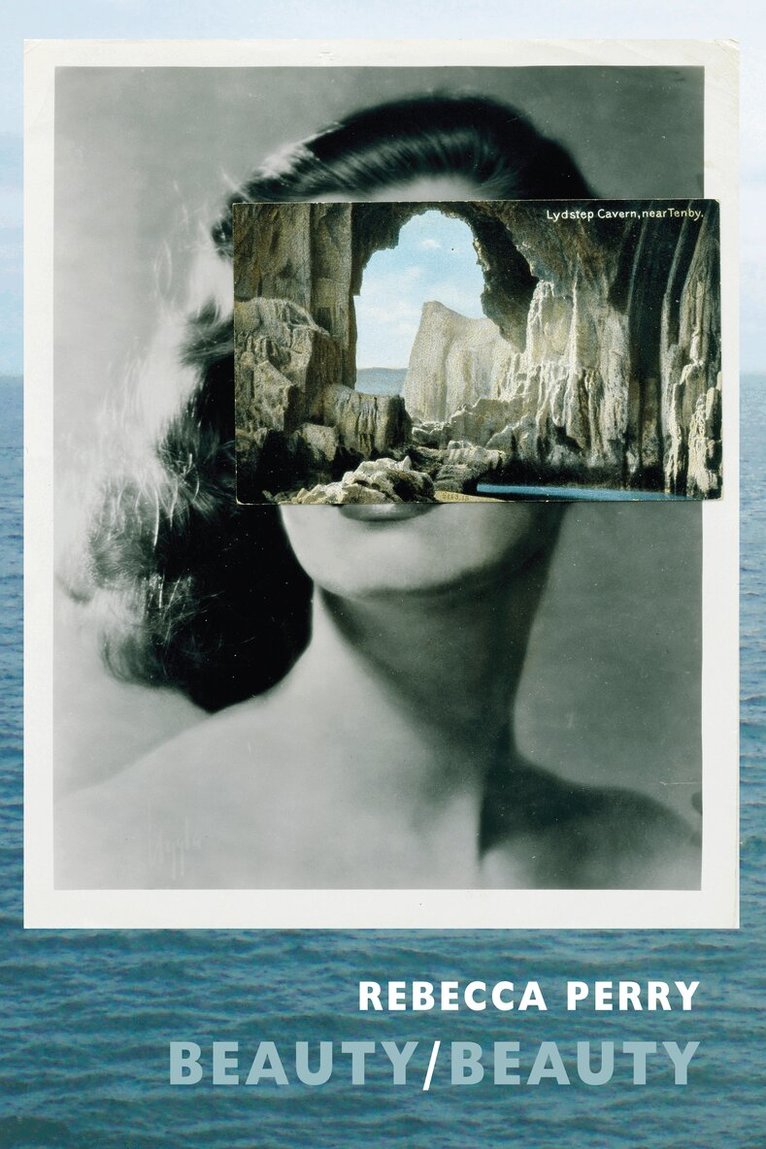
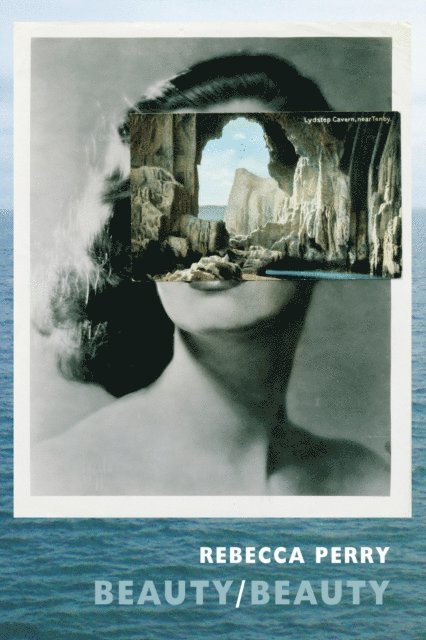
Beauty/Beauty
Häftad, 2015
159 kr
Lägg i varukorg
The world of Beauty/Beauty is 'built from the nose/out, like a painting', accumulating its various feelings, ideas, objects, disappointments and joys to the point of almost overflowing. Preoccupied with demise and loss, as well as reimagination and regeneration, Rebecca Perry's debut collection has …
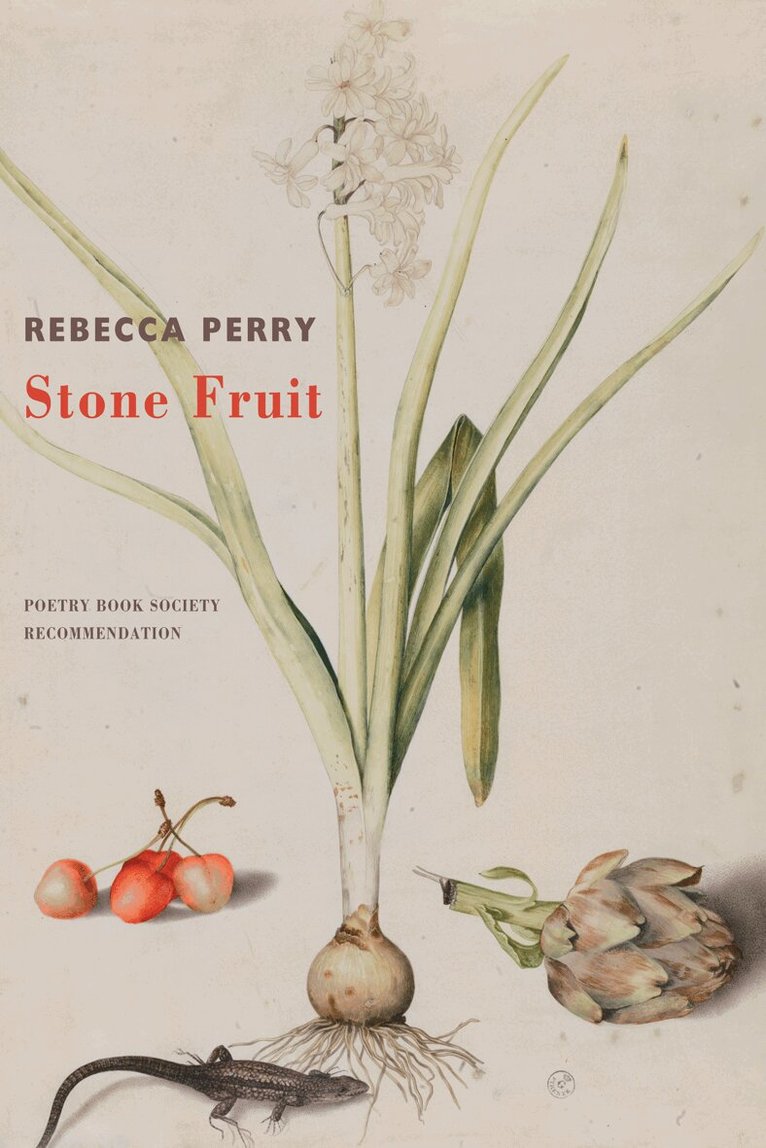
Stone Fruit
Häftad, 2021
159 kr
Lägg i varukorg
A collection of three distinct parts, the poems in Rebecca Perry's Stone Fruit nonetheless speak across their many common preoccupations: memory, grief, the fallibility of the physical form, our connection to and place in the world, natural and otherwise. Opening with a study of a girl in a …
Stone Fruit
E-bok, 2021
224 kr
Lägg i varukorg
A collection of three distinct parts, the poems in Rebecca Perry''s Stone Fruit nonetheless speak across their many common preoccupations: memory, grief, the fallibility of the physical form, our connection to and place in the world, natural and otherwise. Opening with a study of a girl in a …
Beauty/Beauty
E-bok, 2015
167 kr
Lägg i varukorg
Poetry Book Society Recommendation. The world of Beauty/Beauty is ''built from the nose/out, like a painting'', accumulating its various feelings, ideas, objects, disappointments and joys to the point of almost overflowing. Preoccupied with demise and loss, as well as reimagination and …
Preparing to Thrive in Your Internship
A Guide to Linking Field Learning and Classroom Knowledge
Av Margaret Munke, Rebecca Perry
Häftad, 2022
1661 kr
Lägg i varukorg
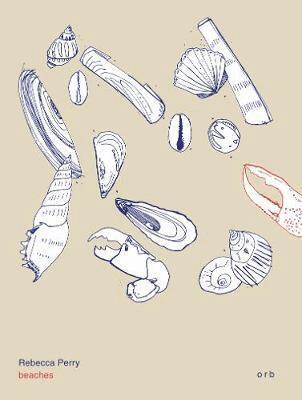
beaches
Häftad, 2019
85 kr
Tillfälligt slut
These are poems of tidal ebb and advance, of the drift of sand blown along the beach and into caves, where secret things click and scuttle. Things are not always what they seem: ‘traditionally hourglass sand wasn’t sand / . . . traditionally the material was / powdered marble and burnt eggshell’; …