Rebecca Roache – författare
Visar alla böcker från författaren Rebecca Roache. Handla med fri frakt och snabb leverans.
6 produkter
For F*ck's Sake
Why Swearing is Shocking, Rude, and Fun
Inbunden, 2023
197 kr
Lägg i varukorg
Why do we love to swear so much? Why do we get so offended when others do it? With wit and insight, philosopher Rebecca Roache seeks answers to these and other puzzling questions about bad language. When someone swears at you, it can sting. Likewise, sometimes there is no better way to make the …
For F*ck's Sake
Why Swearing is Shocking, Rude, and Fun
E-bok, 2023
159 kr
Lägg i varukorg
Why do we love to swear so much? Why do we get so offended when others do it? With wit and insight, philosopher Rebecca Roache seeks answers to these and other puzzling questions about bad language. When someone swears at you, it can sting. Likewise, sometimes there is no better way to make the …
For F*ck's Sake
Why Swearing is Shocking, Rude, and Fun
E-bok, 2023
159 kr
Lägg i varukorg
Why do we love to swear so much? Why do we get so offended when others do it? With wit and insight, philosopher Rebecca Roache seeks answers to these and other puzzling questions about bad language. When someone swears at you, it can sting. Likewise, sometimes there is no better way to make the …
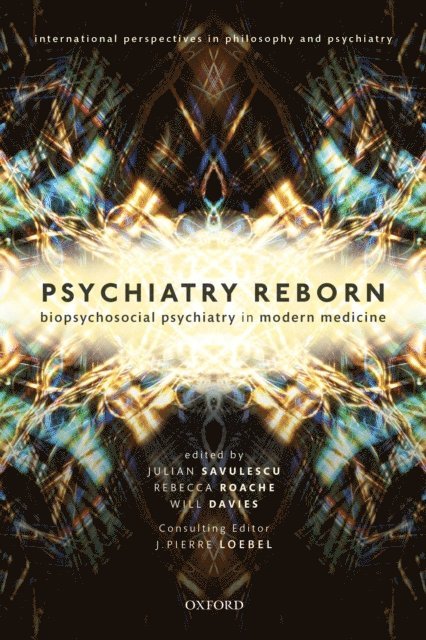
Psychiatry Reborn: Biopsychosocial psychiatry in modern medicine
Av J. Pierre Loebel, Rebecca Roache m. fl.
E-bok, 2020
472 kr
Lägg i varukorg
Psychiatry Reborn: Biopsychosocial Psychiatry in Modern Medicine is a comprehensive collection of essays by leading experts in the field, and provides a timely reassessment of the biopsychosocial approach in psychiatry. Spanning the sciences and philosophy of psychiatry, the essays offer …
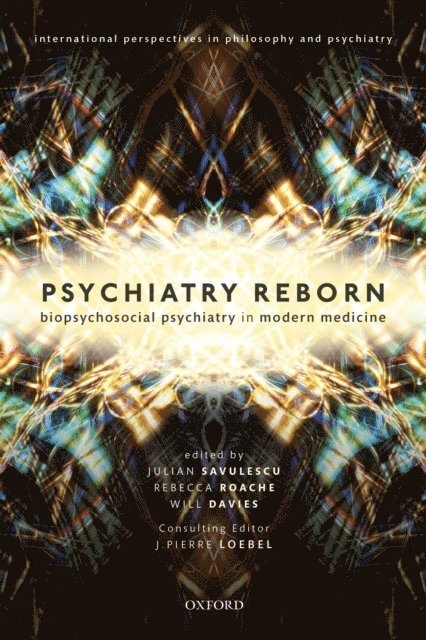
Psychiatry Reborn: Biopsychosocial psychiatry in modern medicine
Av J. Pierre Loebel, Rebecca Roache m. fl.
E-bok, 2020
472 kr
Lägg i varukorg
Psychiatry Reborn: Biopsychosocial Psychiatry in Modern Medicine is a comprehensive collection of essays by leading experts in the field, and provides a timely reassessment of the biopsychosocial approach in psychiatry. Spanning the sciences and philosophy of psychiatry, the essays offer …
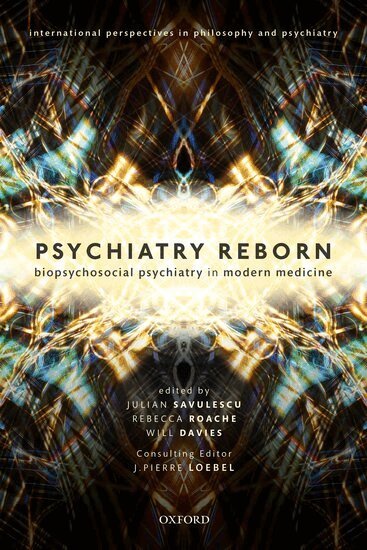
Psychiatry Reborn: Biopsychosocial psychiatry in modern medicine
Av Julian Savulescu, Rebecca Roache m. fl.
Häftad, 2020
663 kr
Lägg i varukorg
Psychiatry Reborn: Biopsychosocial Psychiatry in Modern Medicine is a comprehensive collection of essays by leading experts in the field, and provides a timely reassessment of the biopsychosocial approach in psychiatry. Spanning the sciences and philosophy of psychiatry, the essays offer …