Rebecca Surender - Böcker
Visar alla böcker från författaren Rebecca Surender. Handla med fri frakt och snabb leverans.
7 produkter
7 produkter
1 275 kr
Skickas inom 3-6 vardagar
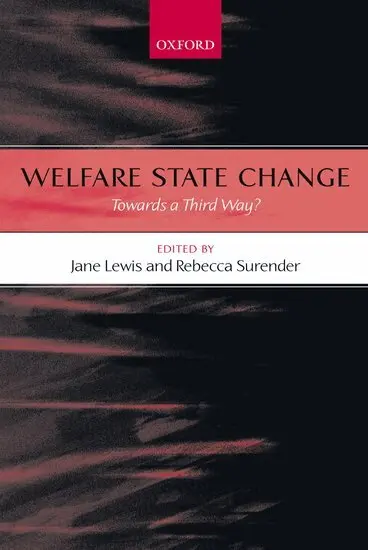
The politics of the Third Way reflects an attempt by many contemporary social democracies to forge a new political settlement which is fitted to the conditions of a modern society and new global economy, but which retains the goals of social cohesion and egalitarianism. It seeks to differentiate itself as distinct from the political ideologies of the New Right and Old Left. Though commonly linked to the US Democratic Party in the Clinton era, it can also be traced to the political discourses in European social democratic parties during the mid-1990s, most notably in France, Germany, the Netherlands, and the United Kingdom. In social policy terms the model attempts to transcend the old alternatives of the state and the market. Instead, civil society, government, and the market are viewed as interdependent and equal partners in the provision of welfare, and the challenge for government is to create equilibrium between these three pillars. The individual is to be 'pushed' towards self-help, and independent, active citizenship, while business and government must contribute to economic and social cohesion. This book provides a comprehensive and critical analysis of 'Third Way' social policy and policy processes in the welfare systems of industrialized economies, and examines the extent to which 'Third Way' ideology and institutional structures converge or vary in different national settings. It examines substantive areas of public policy in a broad comparative context of key trends and debates. By assessing the extent to which the post-war social contract in developed welfare states is being renegotiated, the text contributes to a better understanding of the current restructuring and modernization of the State. Finally the book explores the implications of the new politics of welfare for theorizing inequality, social justice, and the future of welfare.
973 kr
Skickas inom 5-8 vardagar
The politics of the Third Way reflects an attempt by many contemporary social democracies to forge a new political settlement which is fitted to the conditions of a modern society and new global economy, but which retains the goals of social cohesion and egalitarianism. It seeks to differentiate itself as distinct from the political ideologies of the New Right and Old Left. Though commonly linked to the US Democratic Party in the Clinton era, it can also be traced to the political discourses in European social democratic parties during the mid-1990s, most notably in France, Germany, the Netherlands, and the United Kingdom. In social policy terms the model attempts to transcend the old alternatives of the state and the market. Instead, civil society, government, and the market are viewed as interdependent and equal partners in the provision of welfare, and the challenge for government is to create equilibrium between these three pillars. The individual is to be 'pushed' towardsself-help, and independent, active citizenship, while business and government must contribute to economic and social cohesion. This book provides a comprehensive and critical analysis of 'Third Way' social policy and policy processes in the welfare systems of industrialized economies, and examines the extent to which 'Third Way' ideology and institutional structures converge or vary in different national settings. It examines substantive areas of public policy in a broad comparative context of key trends and debates. By assessing the extent to which the post-war social contract in developed welfare states is being renegotiated, the text contributes to a better understanding of the current restructuring and modernization of the State. Finally the book explores the implications of the new politics of welfare for theorizing inequality, social justice, and the future of welfare.
3 420 kr
Skickas inom 7-10 vardagar
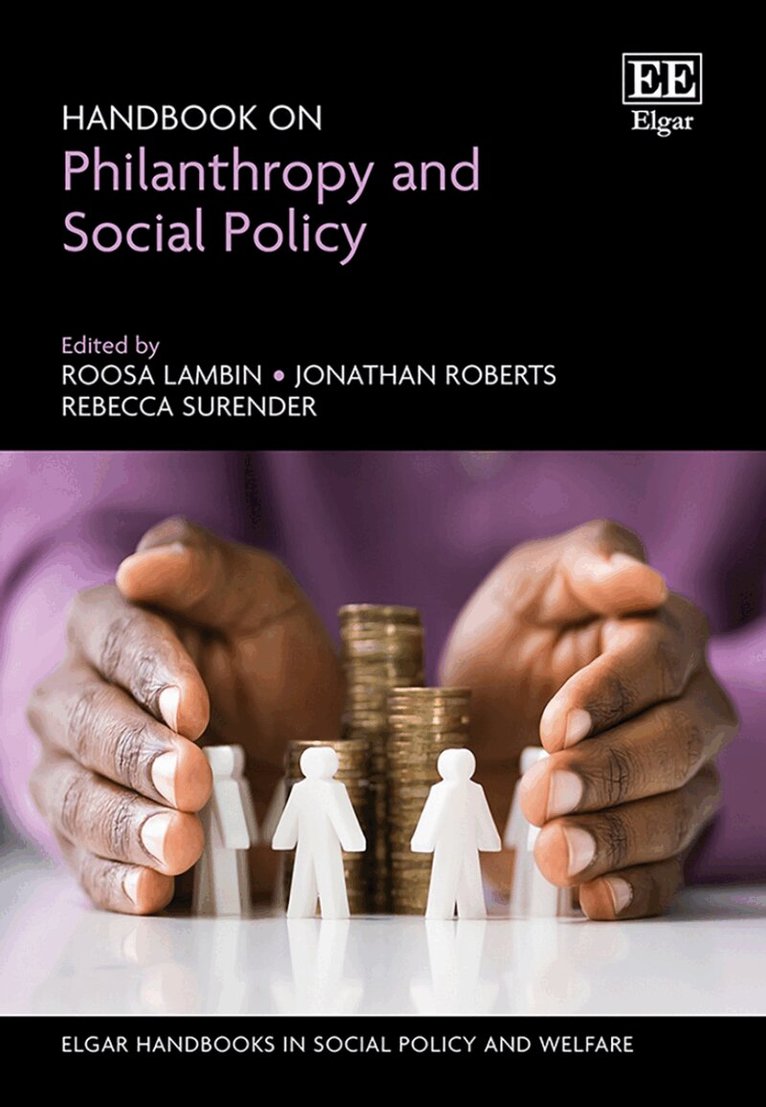
This comprehensive Handbook considers the emergence of philanthropic foundations and institutions as increasingly crucial social policy actors. It presents an interdisciplinary examination of modern philanthropies, tracing their development and impact across global regions, social policy sectors and policy making processes.Leading international scholars discuss the key concepts and debates surrounding social policy and philanthropy, exploring how substantial donations made by wealthy families, individuals, foundations and corporations (characterised as Big Philanthropy) have created a more complex form of social welfare. Chapters outline the work of philanthropic organisations across fields such as health, education, housing and climate change mitigation and across multilateral development forums. Specific attention is paid to the impact of philanthropy in the Global South through the analysis of detailed case studies, including the role of the Ford Foundation in China’s reform era and the influence of the Tata Group in India. Ultimately, the Handbook provides an innovative and critical perspective on the nature of philanthropic actors in different social policy arenas, their normative influence on policy processes and dynamics, and the restructuring of contemporary welfare states.Students and scholars of social policy, philanthropy and development studies will benefit greatly from this new Handbook. It is also an invaluable resource for policy makers and practitioners working with philanthropic organisations.
474 kr
Skickas inom 7-10 vardagar
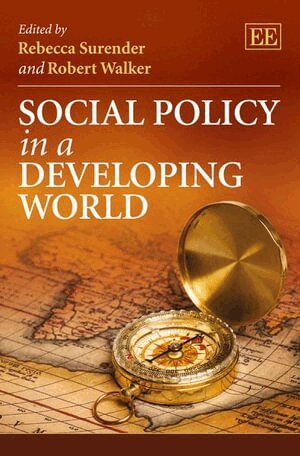
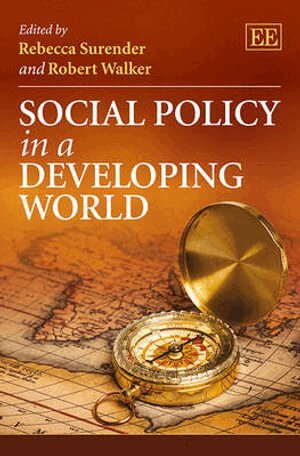
There is increasing interest in the significance of social policy in the management of welfare and risk in the developing world.This volume provides a critical analysis of the challenges and opportunities facing social protection systems in the global South, and examines current strategies for addressing poverty and welfare needs in the region. In particular, the text explores the extent to which the analytic models and concepts for the study of social policy in the industrialised North are relevant in a developing country context. The volume analyzes the various institutions, actors, instruments and mechanisms involved in the welfare arrangements of developing countries and provides a study of the contexts, development and future trajectory of social policy in the global South.The book's comparative and interdisciplinary approach will be of interest to anyone involved in social policy research and analysis and current welfare debates.Contributors: B. Deacon, J. Doherty, P. Dornan, D. Lewis, A. McCord, D. McIntyre, C. Meth, A. Nicholls, S. Pellissery, C. Porter, R. Surender, M. Urbina-Ferretjans, A. Vetterlein, R. Walker
3 198 kr
Skickas inom 7-10 vardagar
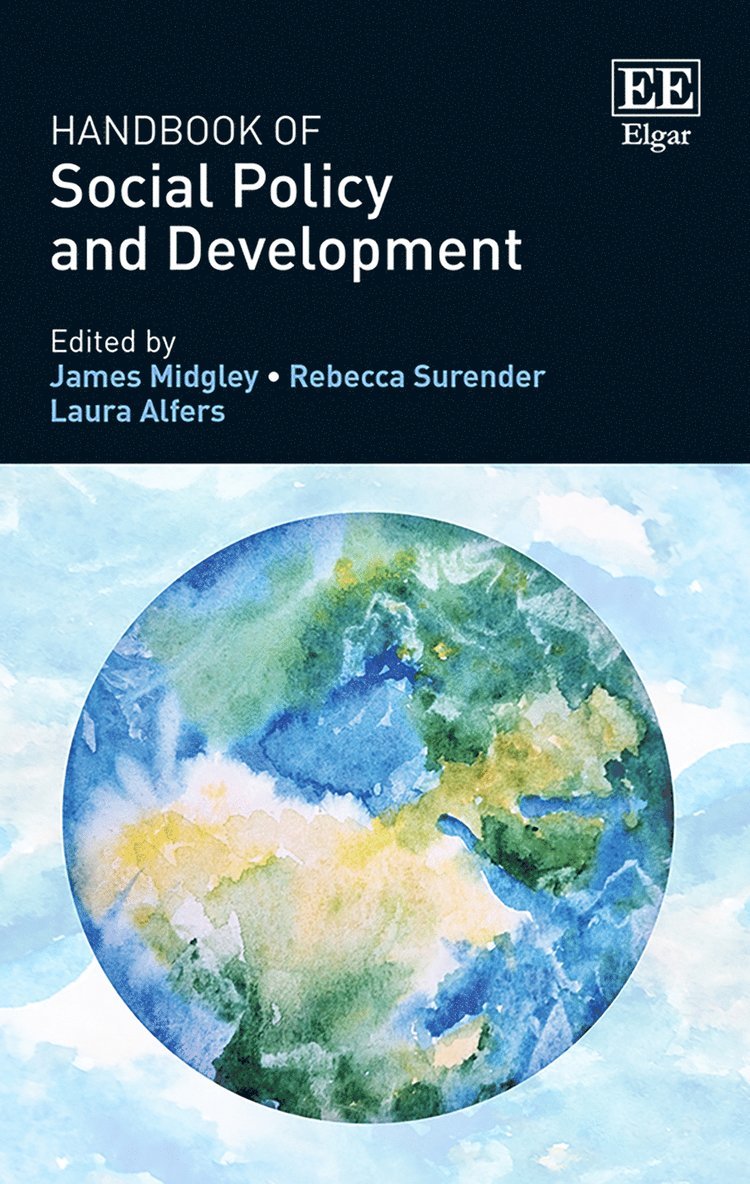
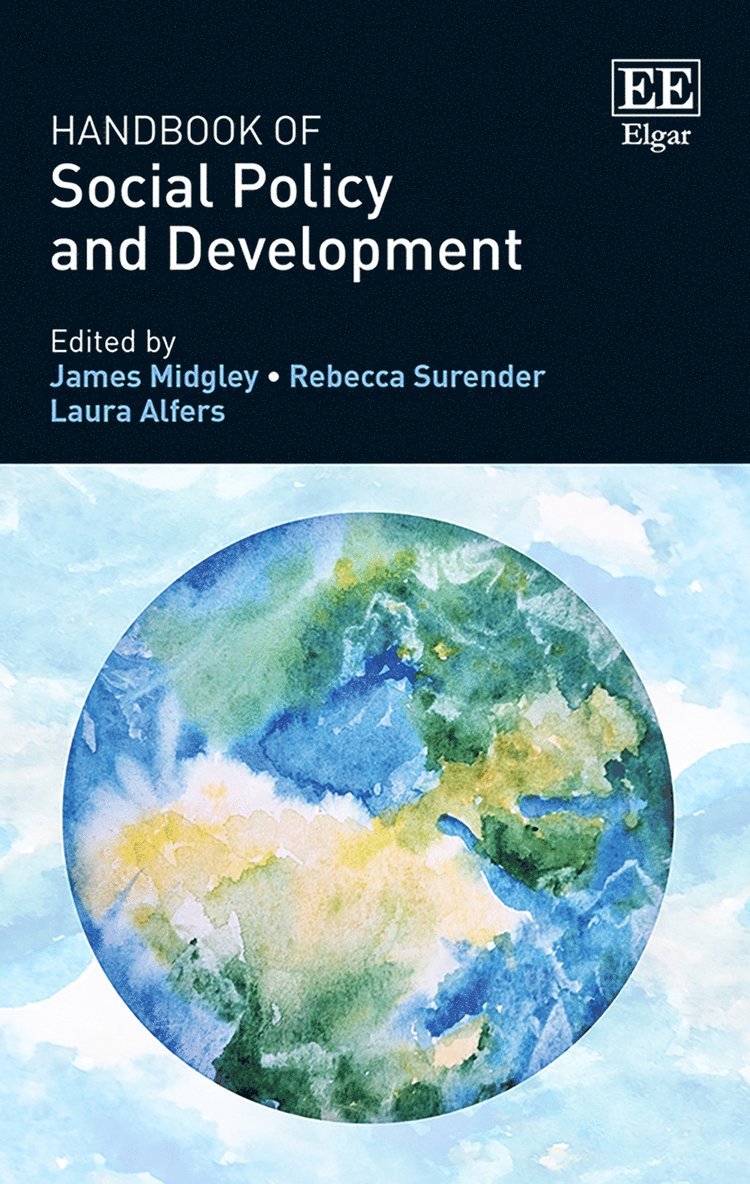
The Handbook of Social Policy and Development makes a groundbreaking, coherent case for enhancing collaboration between social policy and development. With wide ranging chapters, it discusses a myriad of ways in which this can be done, exploring both academic and practical activities. As the conventional distinction between 'developed' and 'developing' countries becomes increasingly blurred, this Handbook explores how collaboration between social policy and development is needed to meet global social needs.With contributions from leading experts in both social policy and development studies, this Handbook analyses the complexities of integrating social policy and development studies. Examining a diverse and comprehensive range of countries and case studies that highlight ways to improve this integration, contributors deal with critical debates, covering a wide range of services, programmes, providers and policy sectors.The Handbook of Social Policy and Development is an invaluable introduction to the subject for students of social policy and development studies. Its comprehensive approach also makes it a valuable reference for researchers and specialists in the field. Contributors include: L. Alfers, A. Barrientos, J. Beall, A. Datta, H. Dean, K. Falkenberg, R. Jolkonnen, D. Kiwan, H.-j. Kwon, J. Lee, A. Lombard, F. Lund, P. Mader, J. Midgley, L. Patel, M. Pawar, M. Rogan, R. Surender, M. Terano, M. Urbina-Ferretjans, A. Virk, N. Yeates
799 kr
Skickas inom 7-10 vardagar
The Handbook of Social Policy and Development makes a groundbreaking, coherent case for enhancing collaboration between social policy and development. With wide ranging chapters, it discusses a myriad of ways in which this can be done, exploring both academic and practical activities. As the conventional distinction between 'developed' and 'developing' countries becomes increasingly blurred, this Handbook explores how collaboration between social policy and development is needed to meet global social needs.With contributions from leading experts in both social policy and development studies, this Handbook analyses the complexities of integrating social policy and development studies. Examining a diverse and comprehensive range of countries and case studies that highlight ways to improve this integration, contributors deal with critical debates, covering a wide range of services, programmes, providers and policy sectors.The Handbook of Social Policy and Development is an invaluable introduction to the subject for students of social policy and development studies. Its comprehensive approach also makes it a valuable reference for researchers and specialists in the field. Contributors include: L. Alfers, A. Barrientos, J. Beall, A. Datta, H. Dean, K. Falkenberg, R. Jolkonnen, D. Kiwan, H.-j. Kwon, J. Lee, A. Lombard, F. Lund, P. Mader, J. Midgley, L. Patel, M. Pawar, M. Rogan, R. Surender, M. Terano, M. Urbina-Ferretjans, A. Virk, N. Yeates
1 978 kr
Skickas inom 7-10 vardagar
There is increasing interest in the significance of social policy in the management of welfare and risk in the developing world.This volume provides a critical analysis of the challenges and opportunities facing social protection systems in the global South, and examines current strategies for addressing poverty and welfare needs in the region. In particular, the text explores the extent to which the analytic models and concepts for the study of social policy in the industrialised North are relevant in a developing country context. The volume analyzes the various institutions, actors, instruments and mechanisms involved in the welfare arrangements of developing countries and provides a study of the contexts, development and future trajectory of social policy in the global South.The book's comparative and interdisciplinary approach will be of interest to anyone involved in social policy research and analysis and current welfare debates.Contributors: B. Deacon, J. Doherty, P. Dornan, D. Lewis, A. McCord, D. McIntyre, C. Meth, A. Nicholls, S. Pellissery, C. Porter, R. Surender, M. Urbina-Ferretjans, A. Vetterlein, R. Walker