Reg Clark - Böcker
Visar alla böcker från författaren Reg Clark. Handla med fri frakt och snabb leverans.
2 produkter
2 produkter
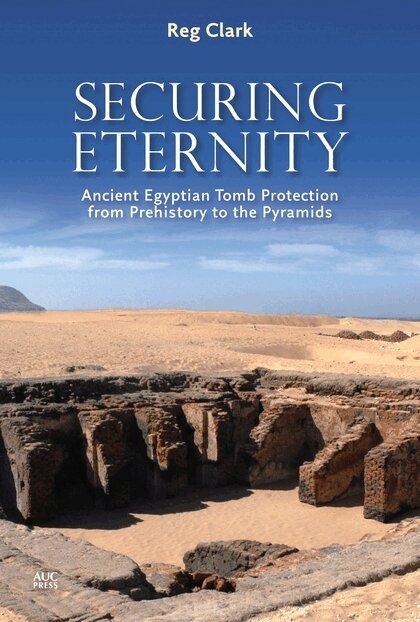
Securing Eternity
Ancient Egyptian Tomb Protection from Prehistory to the Pyramids
Inbunden, Engelska, 2019
549 kr
Skickas inom 5-8 vardagar
The ancient Egyptian tomb evolved rapidly over a period of about 2,500 years, from a simple backfilled pit to an enormous stone pyramid with complex security arrangements. Much of this development was arguably driven by the ever-present threat of tomb robbery, which compelled tomb builders to introduce special architectural measures to prevent it. However, until now most scholarly Egyptological discussions of tomb security have tended to be brief and usually included only as part of a larger work, the topic instead being the subject of lurid speculation and fantasy in novels, the popular press, and cinema.In Securing Eternity, Reg Clark traces in detail the development of the Egyptian royal and private tombs from the Predynastic Period to the early Fourth Dynasty. In doing so, he demonstrates that many of the familiar architectural elements of the Egyptian tomb that we take for granted today in fact originated from security features to protect the tomb, rather than from monumental or religious considerations. Richly illustrated with more than 150 photographs and tomb plans, this unique study will be of interest to students, specialists, and general readers alike.
Del 13 - Archaeopress Egyptology
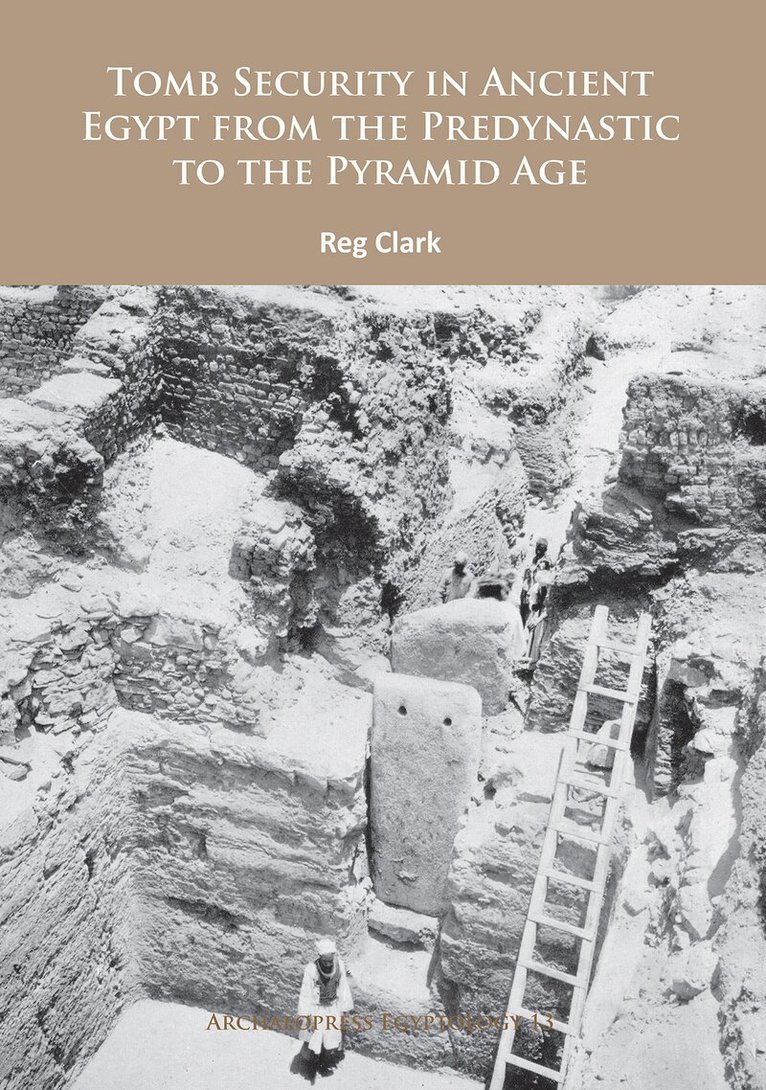
Tomb Security in Ancient Egypt from the Predynastic to the Pyramid Age
Häftad, Engelska, 2016
1 054 kr
Skickas
Egyptians went to great lengths to protect their dead from the omnipresent threat of robbery by incorporating specially developed architectural features in their tombs. However, the architecture of tomb security has rarely been studied as a subject in its own right and is usually treated as a secondary topic in publications of a scholarly nature, which tend to regard its role as incidental to the design of the tomb rather than perhaps being the driving force behind it. This issue had been raised in the early Twentieth Century by Reisner (1908: 11), who suggested that the rapid evolution of Egyptian tomb substructures was as a result of the desire for tomb security and more ostentatious tombs, rather than a development spurred by religious or funerary practices. Taking this premise much further, this book presents an in-depth analysis of the architecture of tomb security in Egypt from the Predynastic Period (c. 5000–4000 BC) until the early Fourth Dynasty (c. 2500 BC) by extrapolating data on the security features of published tombs from the whole of Egypt and gathering it together for the first time in one accessible database. Using the information assembled it adds new information to the current body of knowledge concerning the architecture of tomb security and explains many of the underlying reasons behind their adoption. By thematically analysing these features in order to draw conclusions it also demonstrates that many aspects of the architecture of the Egyptian tomb over this period, in both royal and private contexts–whilst subject to changing tastes, needs and ideologies–had indeed originated as the result of the need to protect the tomb or improve its security.