Regine Andersen – författare
Visar alla böcker från författaren Regine Andersen. Handla med fri frakt och snabb leverans.
7 produkter
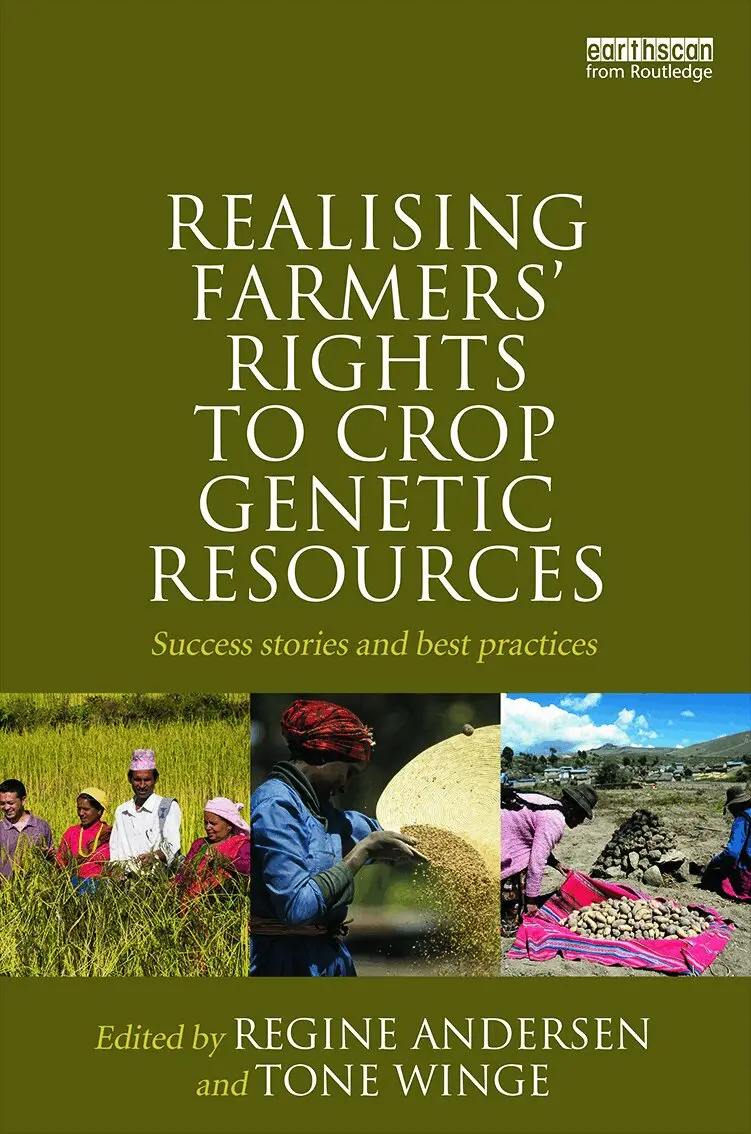
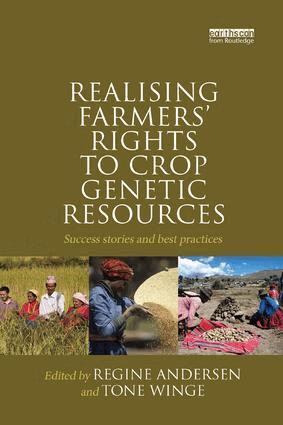
Realising Farmers' Rights to Crop Genetic Resources
Success Stories and Best Practices
Av Regine Andersen, Tone Winge
Inbunden, 2013
701 kr
Lägg i varukorg
Farmers' Rights are essential for maintaining crop genetic diversity, which is the basis of all food and agricultural production in the world. The International Treaty on Plant Genetic Resources for Food and Agriculture recognizes Farmers' Rights and provides for relevant measures. However, …
Governing Agrobiodiversity
Plant Genetics and Developing Countries
Inbunden, 2008
2578 kr
Lägg i varukorg
Plant genetic diversity is crucial to the breeding of food crops and is therefore a central precondition for food security. Diverse genetic resources provide the genetic traits required to deal with crop pests and diseases, as well as changing climate conditions. Plant genetic diversity is also …
Realising Farmers' Rights to Crop Genetic Resources
Success Stories and Best Practices
Av Tone Winge, Regine Andersen
E-bok, 2013
343 kr
Lägg i varukorg
Farmers'' Rights are essential for maintaining crop genetic diversity, which is the basis of all food and agricultural production in the world. The International Treaty on Plant Genetic Resources for Food and Agriculture recognizes Farmers'' Rights and provides for relevant measures. However, …
Realising Farmers' Rights to Crop Genetic Resources
Success Stories and Best Practices
Av Tone Winge, Regine Andersen
E-bok, 2013
343 kr
Lägg i varukorg
Farmers'' Rights are essential for maintaining crop genetic diversity, which is the basis of all food and agricultural production in the world. The International Treaty on Plant Genetic Resources for Food and Agriculture recognizes Farmers'' Rights and provides for relevant measures. However, …
Realising Farmers' Rights to Crop Genetic Resources
Success Stories and Best Practices
Av Regine Andersen, Tone Winge
Häftad, 2017
300 kr
Lägg i varukorg
Farmers' Rights are essential for maintaining crop genetic diversity, which is the basis of all food and agricultural production in the world. The International Treaty on Plant Genetic Resources for Food and Agriculture recognizes Farmers' Rights and provides for relevant measures. However, …
Governing Agrobiodiversity
Plant Genetics and Developing Countries
E-bok, 2016
940 kr
Lägg i varukorg
Plant genetic diversity is crucial to the breeding of food crops and is therefore a central precondition for food security. Diverse genetic resources provide the genetic traits required to deal with crop pests and diseases, as well as changing climate conditions. Plant genetic diversity is also …
Governing Agrobiodiversity
Plant Genetics and Developing Countries
E-bok, 2016
940 kr
Lägg i varukorg
Plant genetic diversity is crucial to the breeding of food crops and is therefore a central precondition for food security. Diverse genetic resources provide the genetic traits required to deal with crop pests and diseases, as well as changing climate conditions. Plant genetic diversity is also …