Remo Bodei – författare
Visar alla böcker från författaren Remo Bodei. Handla med fri frakt och snabb leverans.
16 produkter
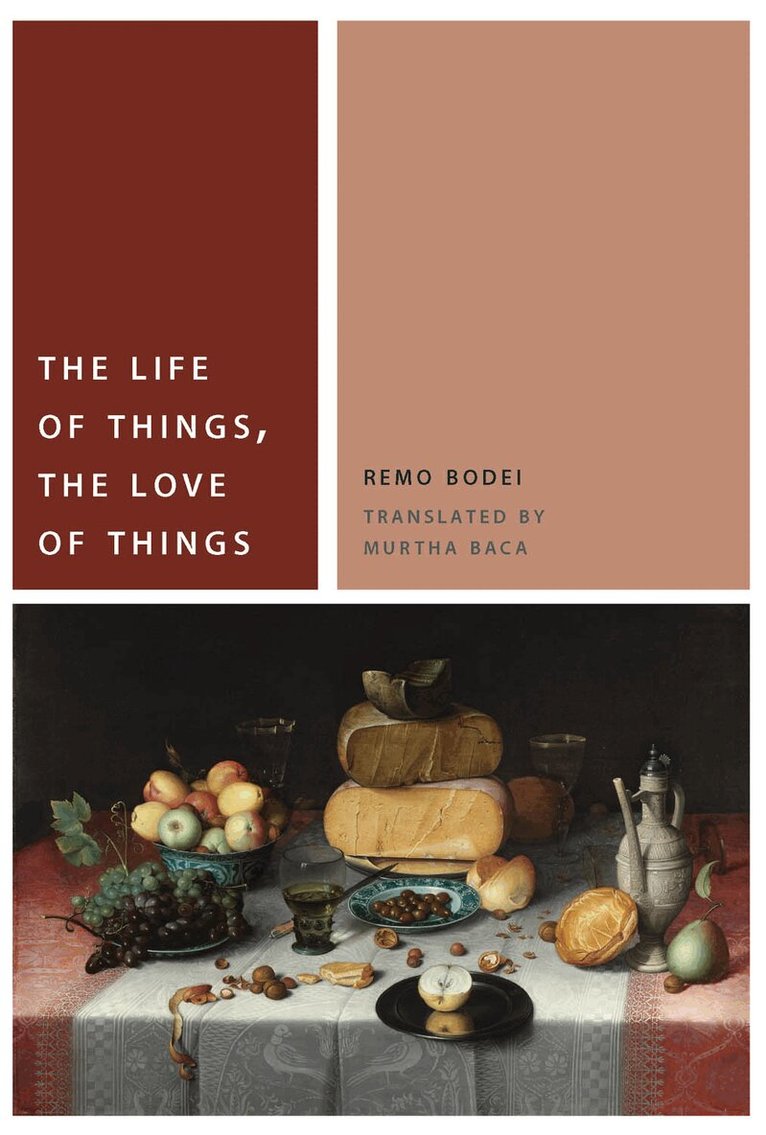
Life of Things, the Love of Things
Av Remo Bodei
Häftad, 2015
287 kr
Lägg i varukorg
From prehistoric stone tools, to machines, to computers, things have traveled a long road along with human beings. Changing with the times, places, and methods of their production, emerging from diverse histories, and enveloped in multiple layers of meaning, things embody ideas, emotions, and …
Life of Things, the Love of Things
Av Remo Bodei
Inbunden, 2015
1023 kr
Lägg i varukorg
From prehistoric stone tools, to machines, to computers, things have traveled a long road along with human beings. Changing with the times, places, and methods of their production, emerging from diverse histories, and enveloped in multiple layers of meaning, things embody ideas, emotions, and …
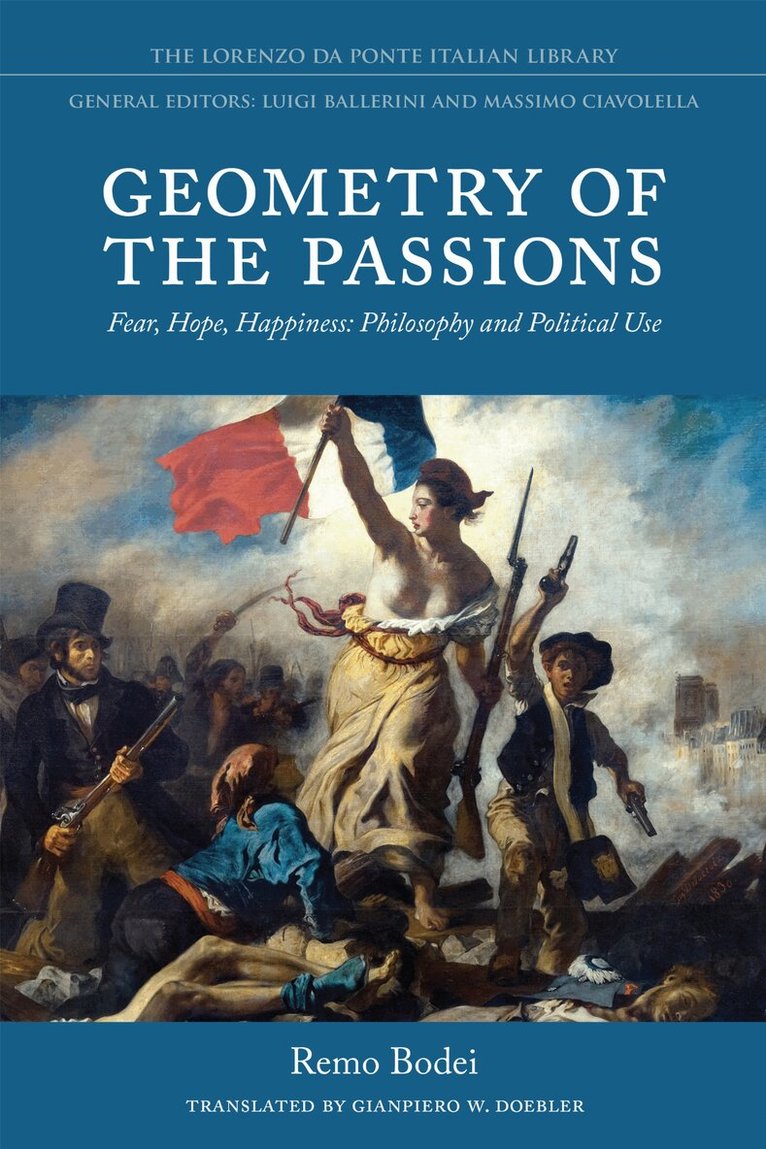
Geometry of the Passions
Fear, Hope, Happiness: Philosophy and Political Use
Av Remo Bodei
Inbunden, 2018
1290 kr
Lägg i varukorg
The passions have long been condemned as a creator of disturbance and purveyor of the temporary loss of reason, but as Remo Bodei argues in Geometry of the Passions, we must abandon the perception that order and disorder are in a constant state of collision. By means of a theoretical and historical …
Geometry of the Passions
Fear, Hope, Happiness: Philosophy and Political Use
Av Remo Bodei
E-bok, 2018
1595 kr
Lägg i varukorg
The passions have long been condemned as a creator of disturbance and purveyor of the temporary loss of reason, but as Remo Bodei argues in Geometry of the Passions , we must abandon the perception that order and disorder are in a constant state of collision. By means of a theoretical and …
Geometry of the Passions
Fear, Hope, Happiness: Philosophy and Political Use
Av Remo Bodei
E-bok, 2018
1630 kr
Lägg i varukorg
The passions have long been condemned as a creator of disturbance and purveyor of the temporary loss of reason, but as Remo Bodei argues in Geometry of the Passions , we must abandon the perception that order and disorder are in a constant state of collision. By means of a theoretical and …
We, The Divided
Ethos, Politics and Culture in Post-war Italy, 1943 - 2006
Av Remo Bodei
Häftad, 2025
195 kr
Lägg i varukorg
La filosofía del siglo XX (y más allá)
Av Remo Bodei
E-bok, 2024
89 kr
Lägg i varukorg
Esta edición actualizada de una obra única nos ofrece el instrumental necesario para reflexionar sobre la experiencia de un siglo denso, lleno de transformaciones. Reconstruye las coordenadas que orientan nuestros paisajes mentales y dibuja el mapa de los recorridos en los que la filosofía se cruza …
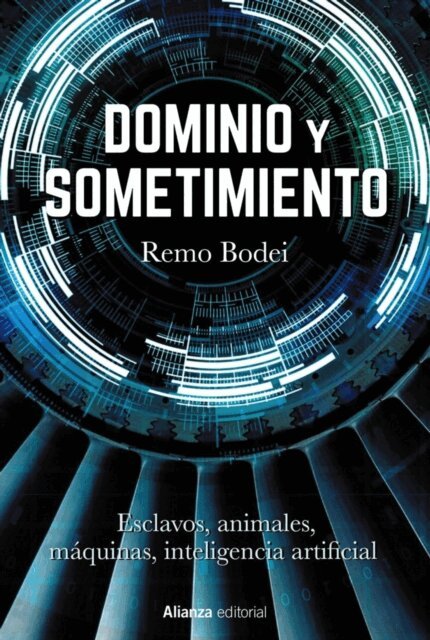
Dominio y sometimiento
Esclavos, animales, máquinas, inteligencia artificial
Av Remo Bodei
E-bok, 2022
204 kr
Lägg i varukorg
¿Cómo se ha producido la transición desde el esclavo que describe el Código de Hammurabi, que, además de estar marcado a fuego, debía llevar colgado del cuello su nombre y el de su amo, hasta el ciudadano de un Estado democrático contemporáneo? Remo Bodei explora esa relación de poder profundamente …
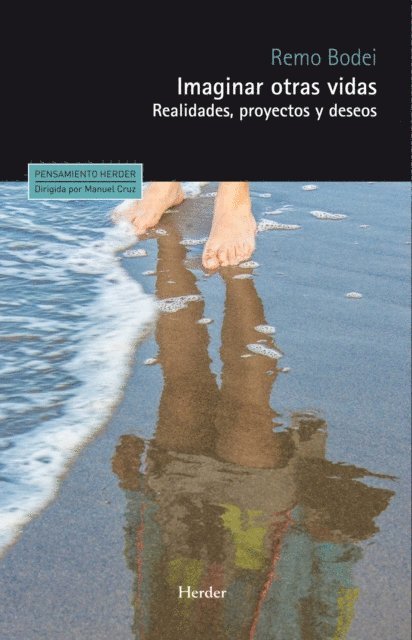
Imaginar otras vidas
Realidades, proyectos y deseos
Av Remo Bodei
E-bok, 2014
159 kr
Lägg i varukorg
Nuestra vida natural se entremezcla constantemente con otras vidas: narradas, imaginadas, inventadas. Hoy más que nunca -dice Bodei-, en una sociedad poblada de modelos con los que identificarse, la ilusión de un yo autónomo se vuelve todavía más incierta y deriva en un sujeto que debe reinventarse …
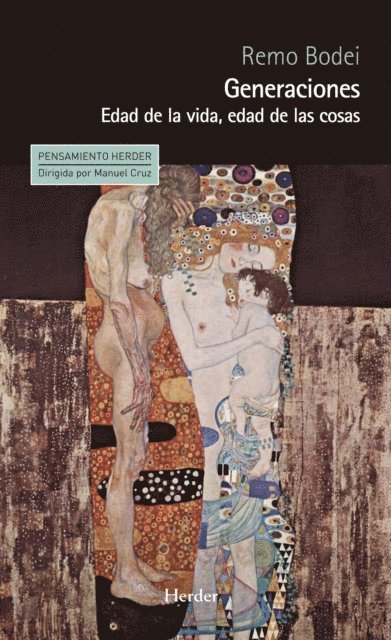
Generaciones
edad de la vida, edad de las cosas
Av Remo Bodei
E-bok, 2016
79 kr
Lägg i varukorg
Cada generación comparte el destino de su tiempo, recupera el pasado y mira hacia el futuro. La muerte implica la transmisión de los bienes materiales de una generación a otra, pero también se recibe en herencia todo un mundo de símbolos y principios que se perpetúa y se transforma en esta …
La ira
Pasión por la furia
Av Remo Bodei
E-bok, 2015
79 kr
Lägg i varukorg
La ira se expresa mediante rasgos somáticos y psíquicos que podemos observar fácilmente en nosotros mismos y en los demás. Siempre tiene un sabor amargo, comporta sufrimiento en el alma y, si es recurrente, hasta en el cuerpo, porque desemboca en úlcera o hipertensión. Siempre a nivel físico, …
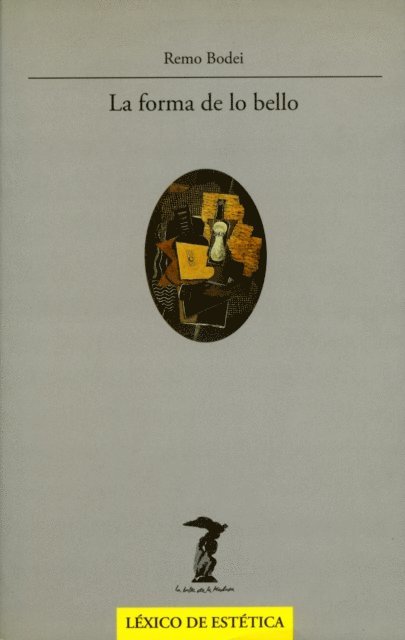
La forma de lo bello
Av Remo Bodei
E-bok, 2019
85 kr
Lägg i varukorg
En este libro aborda Bodei la noción central de la estética, bello, belleza, sus diversas interpretaciones, puntos de vista, rostros en los que la belleza se ha expresado. Simultáneamente, al hilo de esta exposición, Bodei configura una teoría específica de la belleza y de sus avatares en el marco …