Renato Mangano – författare
Visar alla böcker från författaren Renato Mangano. Handla med fri frakt och snabb leverans.
7 produkter
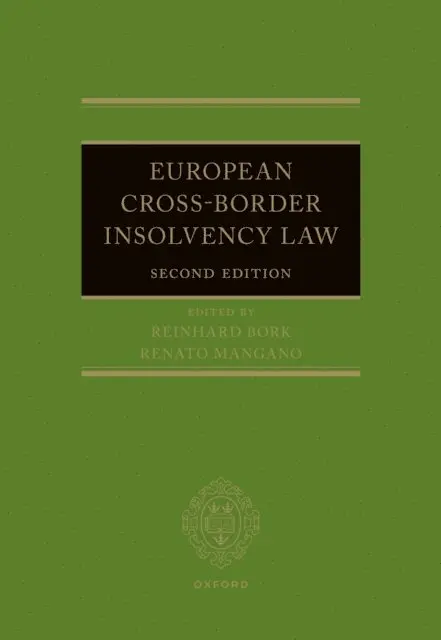
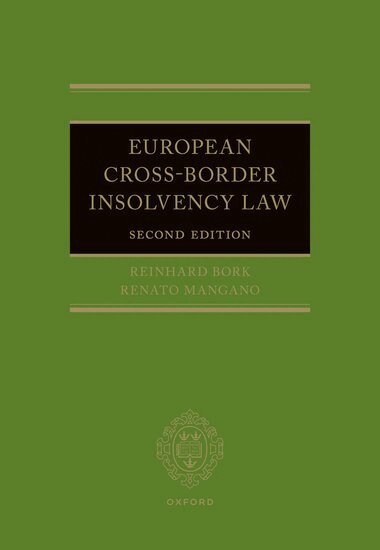
European Cross-Border Insolvency Law
Av Renato Mangano, Reinhard Bork
E-bok, 2022
2513 kr
Lägg i varukorg
The first edition of this textbook was published in 2016, but since then the legal and factual scenario of European cross-border insolvency law has changed dramatically. In particular, three main events have occurred. First of all, the prescriptions of Regulation (EU) 2015/848 (Recast) have become …
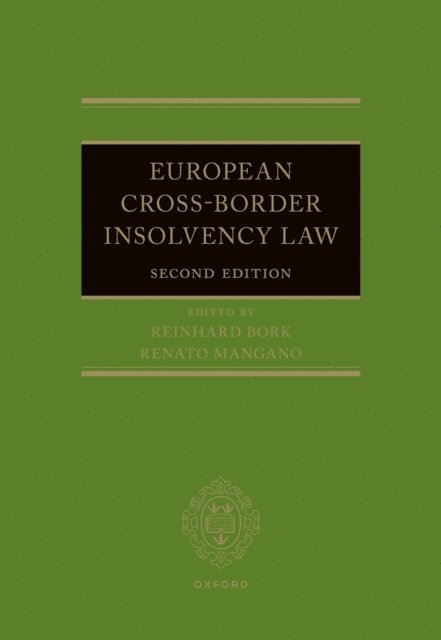
European Cross-Border Insolvency Law
Av Renato Mangano, Reinhard Bork
E-bok, 2022
2513 kr
Lägg i varukorg
The first edition of this textbook was published in 2016, but since then the legal and factual scenario of European cross-border insolvency law has changed dramatically. In particular, three main events have occurred. First of all, the prescriptions of Regulation (EU) 2015/848 (Recast) have become …
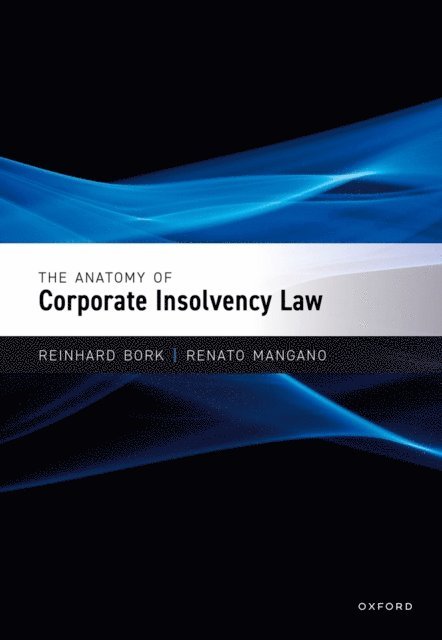
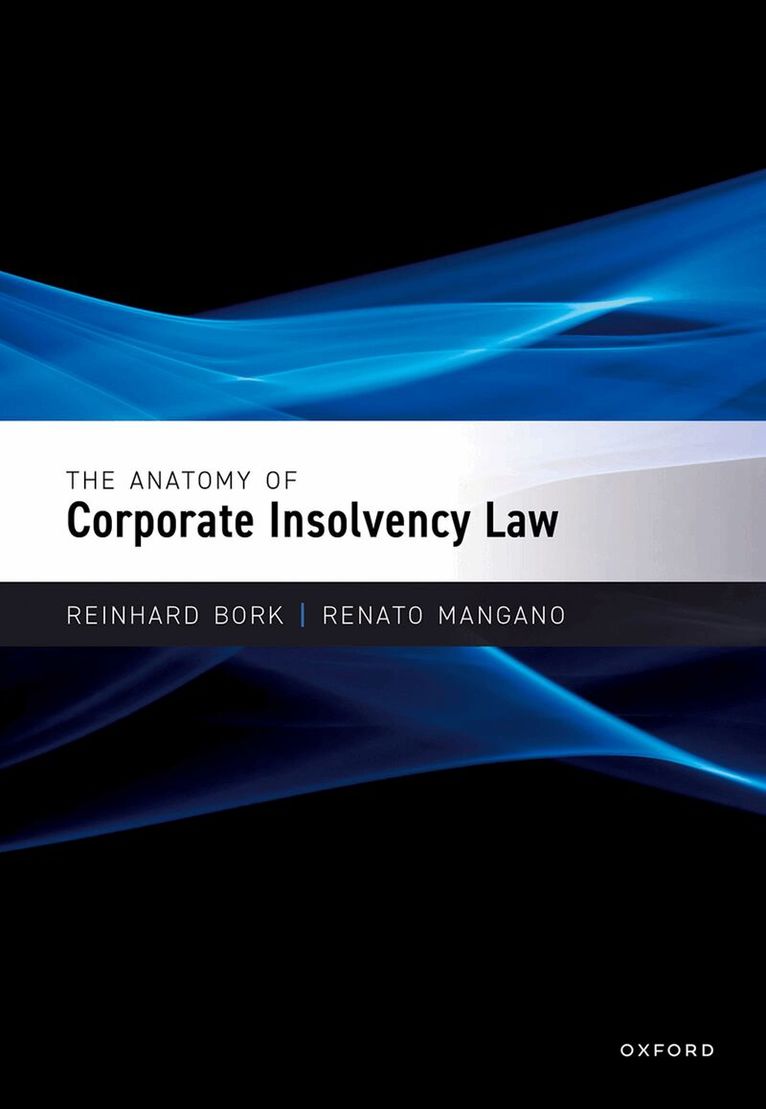
Anatomy of Corporate Insolvency Law
Av Renato Mangano, Reinhard Bork
E-bok, 2024
557 kr
Lägg i varukorg
The Anatomy of Corporate Insolvency Law dissects corporate insolvency law into its constituent elements, analysing them through a comparative and functional lens. Over the past forty years, corporate insolvency law has become a field of extraordinary practical relevance and increasing intellectual …
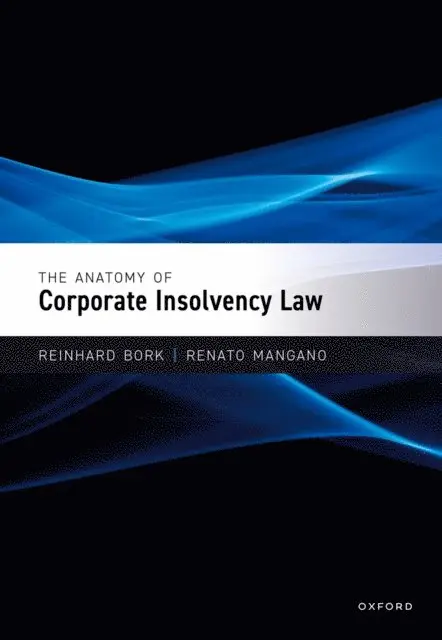
Anatomy of Corporate Insolvency Law
Av Renato Mangano, Reinhard Bork
E-bok, 2024
557 kr
Lägg i varukorg
The Anatomy of Corporate Insolvency Law dissects corporate insolvency law into its constituent elements, analysing them through a comparative and functional lens. Over the past forty years, corporate insolvency law has become a field of extraordinary practical relevance and increasing intellectual …
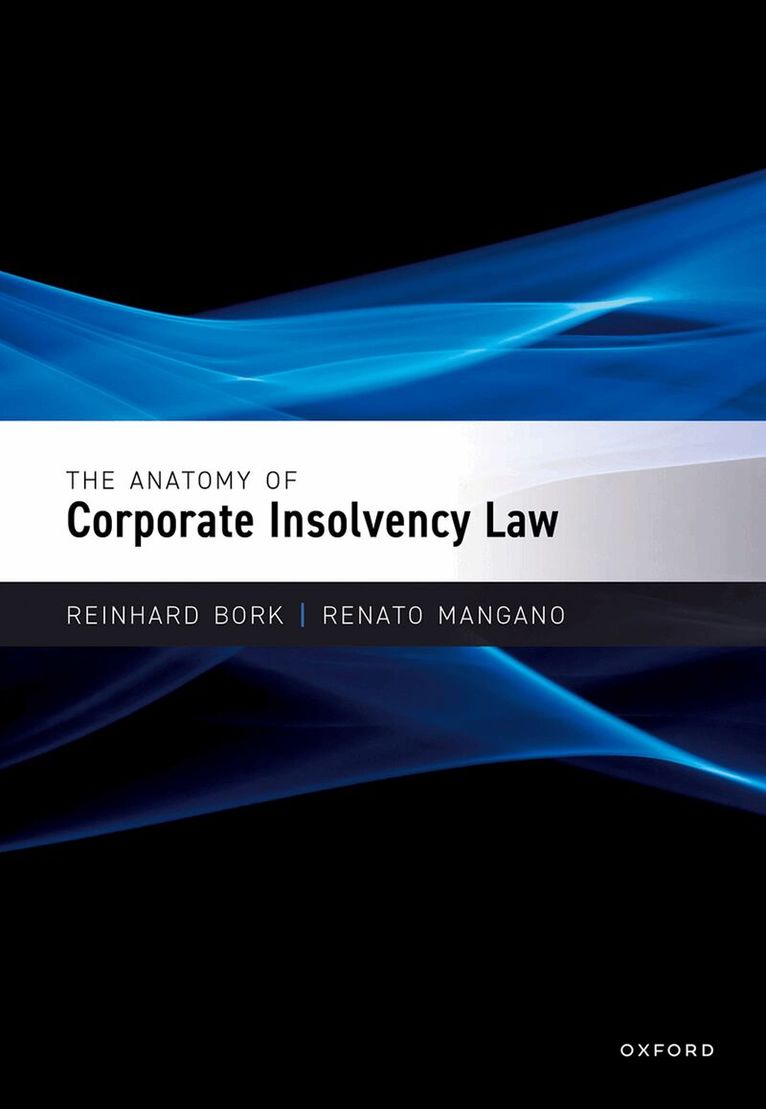
The Anatomy of Corporate Insolvency Law
Av Reinhard Bork, Renato Mangano
Inbunden, 2024
1430 kr
Lägg i varukorg
The Anatomy of Corporate Insolvency Law dissects corporate insolvency law into its constituent elements, analysing them through a comparative and functional lens. Over the past forty years, corporate insolvency law has become a field of extraordinary practical relevance and increasing intellectual …
The Anatomy of Corporate Insolvency Law
Av Reinhard Bork, Renato Mangano
Häftad, 2024
557 kr
Lägg i varukorg
The Anatomy of Corporate Insolvency Law dissects corporate insolvency law into its constituent elements, analysing them through a comparative and functional lens. Over the past forty years, corporate insolvency law has become a field of extraordinary practical relevance and increasing intellectual …
European Cross-Border Insolvency Law
Av Reinhard Bork, Renato Mangano
Inbunden, 2022
3192 kr
Lägg i varukorg
The first edition of this textbook was published in 2016, but since then the legal and factual scenario of European cross-border insolvency law has changed dramatically. In particular, three main events have occurred. First of all, the prescriptions of Regulation (EU) 2015/848 (Recast) have become …