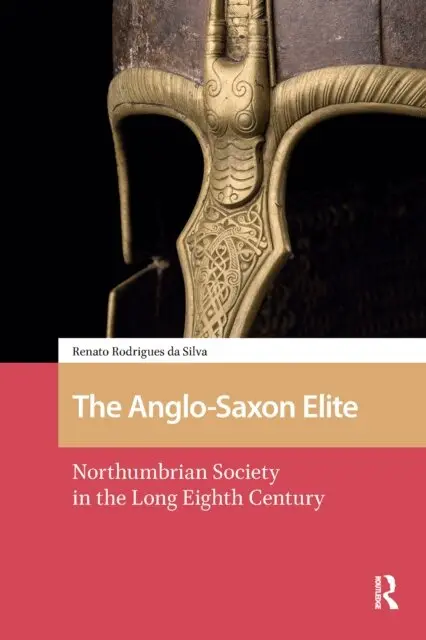
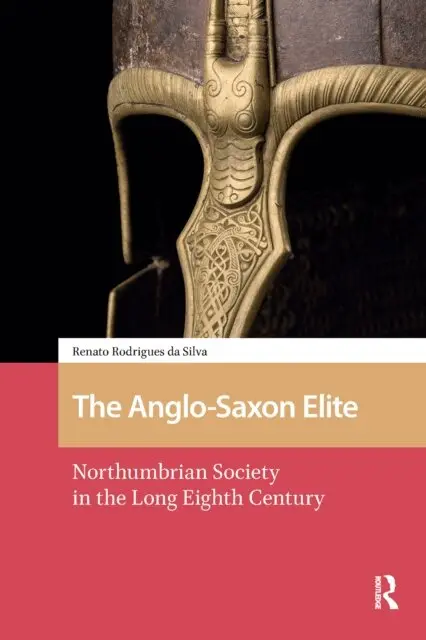
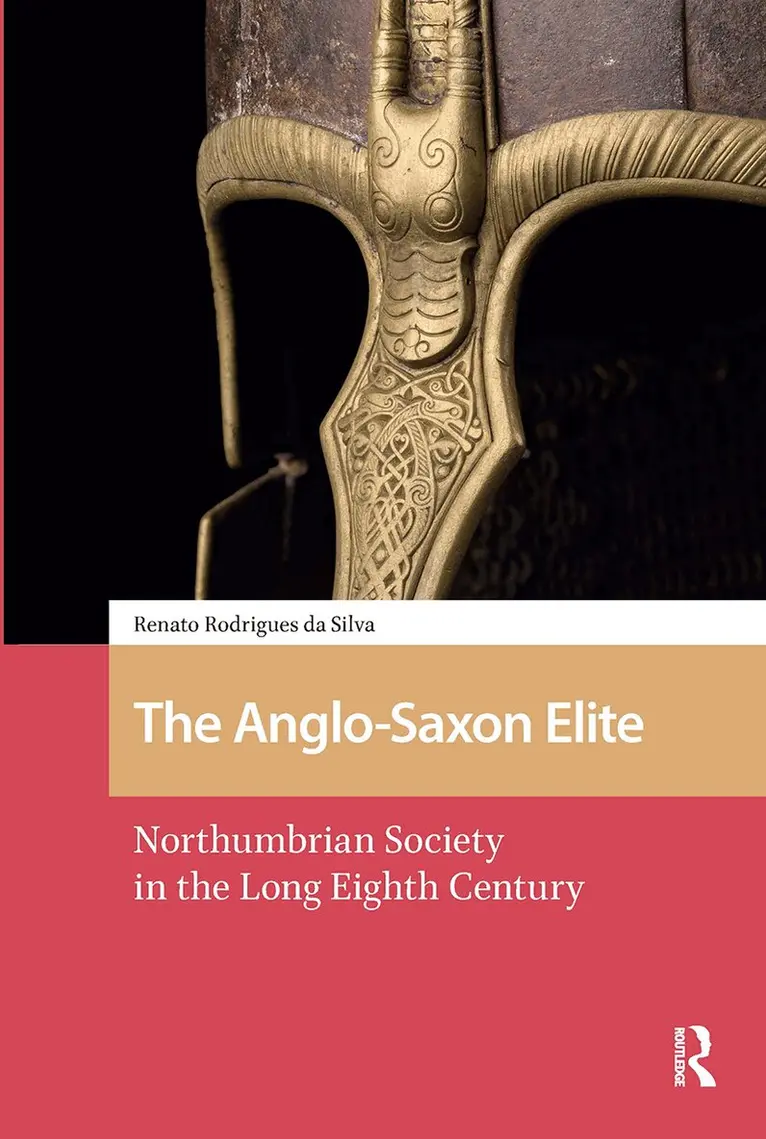
In all of the literature on Anglo-Saxon England, rarely has the question of social class been confronted head-on. The Anglo-Saxon Elite: Northumbrian Society in the Long Eighth Century draws upon recent research into topics such as religious practice, emotions, daily life, and intellectual culture to investigate how the aristocracy of Northumbria maintained social dominance over wider society. Moreover, this monograph suggests that the crisis that brought an end to Northumbria as an independent kingdom was the product of the social contradictions produced by the ruling class as social domination developed over time. The analysis is divided into three broad parts - production, circulation, and consumption - both as a nod to Marxist historiography and also to signal a commitment to a methodology that situates the subject within a global context.
In all of the literature on Anglo-Saxon England, rarely has the question of social class been confronted head-on. The Anglo-Saxon Elite: Northumbrian Society in the Long Eighth Century draws upon recent research into topics such as religious practice, emotions, daily life, and intellectual culture to investigate how the aristocracy of Northumbria maintained social dominance over wider society. Moreover, this monograph suggests that the crisis that brought an end to Northumbria as an independent kingdom was the product of the social contradictions produced by the ruling class as social domination developed over time. The analysis is divided into three broad parts – production, circulation, and consumption – both as a nod to Marxist historiography and also to signal a commitment to a methodology that situates the subject within a global context.
In all of the literature on Anglo-Saxon England, rarely has the question of social class been confronted head-on. This study draws upon recent research into topics such as religious practice, emotions, daily life, and intellectual culture to investigate how the aristocracy of Northumbria maintained social dominance over wider society.
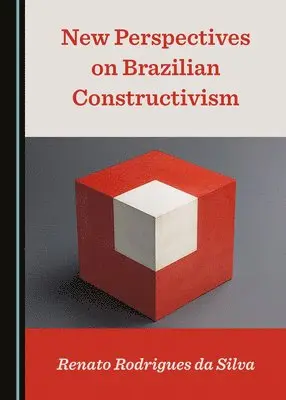
Going beyond current readings of Concretism and Neoconcretism, this book shows how these movements were bred in the Brazilian circuit, after adapting international constructivism to the cultural conditions of the country. Thus, based on a systematic investigation in the archives of newspapers of that period, this book explores the premises through which Neoconcretism became organized and gained momentum in a series of debates between the avant-gardes of São Paulo and Rio de Janeiro—debates that focused on the visual arts and poetry as objects of intense aesthetic experimentation and prospective transformation. They offer a guide through what seems to be a maze of contradictory theories and purposes.Academic readers interested in Latin American and Brazilian art will learn about the contributions of Geraldo de Barros, Franz Weissmann, Ferreira Gullar, Lygia Clark, Luiz Sacilotto, Willys de Castro and Hélio Oiticica to Brazilian constructivism, and will realize that the seven chapters of this book inevitably question the canon of contemporary art. In fact, the contributions of these artists go beyond national borders, since Concretism and Neoconcretism created early versions of interdisciplinary and transdisciplinary art, participatory art, process art, visual poetry, performance, installation art, institutional critique, body art and environmental art, in some cases prior to the United States and Europe.