
Renaud Gicquel - Böcker
Visar alla böcker från författaren Renaud Gicquel. Handla med fri frakt och snabb leverans.
6 produkter
6 produkter
2 982 kr
Skickas inom 10-15 vardagar
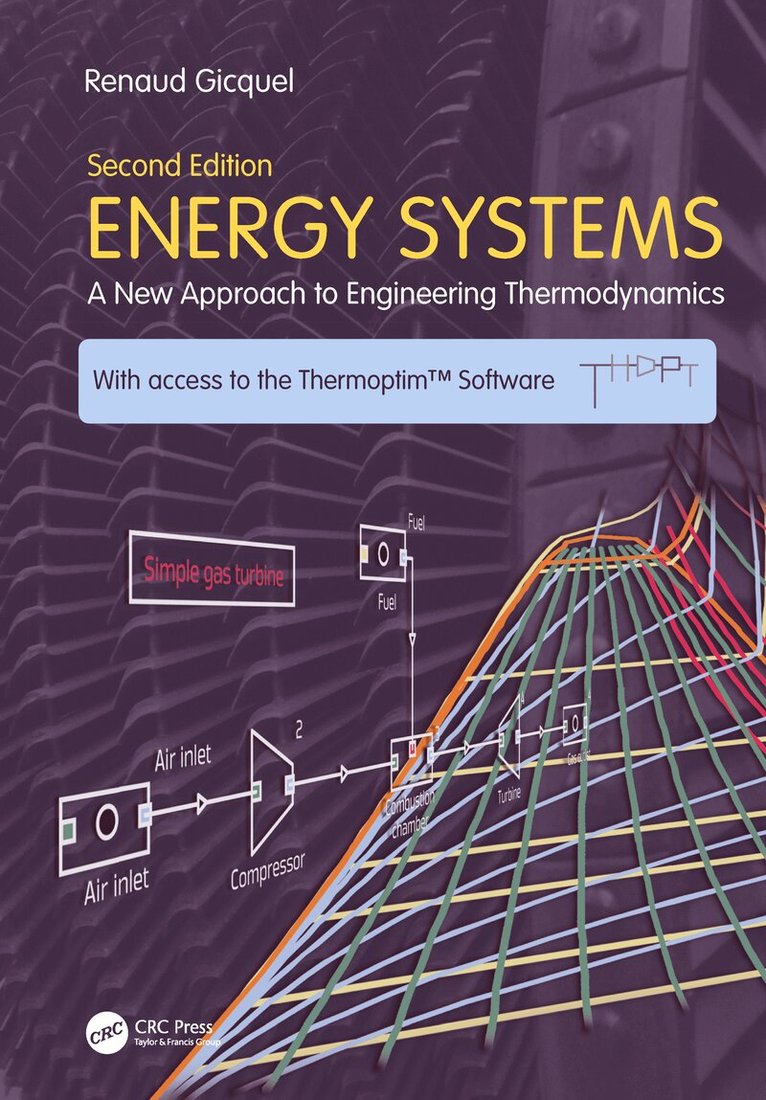
Considered as particularly difficult by generations of students and engineers, thermodynamics applied to energy systems can now be taught with an original instruction method. Energy Systems applies a completely different approach to the calculation, application and theory of multiple energy conversion technologies. It aims to create the reader’s foundation for understanding and applying the design principles to all kinds of energy cycles, including renewable energy. Proven to be simpler and more reflective than existing methods, it deals with energy system modeling, instead of the thermodynamic foundations, as the primary objective. Although its style is drastically different from other textbooks, no concession is made to coverage: with encouraging pace, the complete range from basic thermodynamics to the most advanced energy systems is addressed.The accompanying Thermoptim™ portal (http://thermoptim.org) presents the software and manuals (in English and French) to solve over 200 examples, and programming and design tools for exercises of all levels of complexity. The portal explains to the user how to build appropriate models to bridge the technological reality with the theoretical basis of energy engineering. Offering quick overviews through e-learning modules moreover, the portal is user-friendly and enables users to quickly improve their proficiency. Students can freely download the Thermoptim modeling software demo version (available in seven languages), and extended options are available to lecturers. A professional edition is also available and has been adopted by many companies and research institutes worldwide (www.s4e2.com).This volume is intended as a textbook for courses in applied thermodynamics, energy systems, energy conversion and thermal engineering taken by senior undergraduate and graduate-level students in mechanical, energy, chemical and petroleum engineering. Students should already have taken a first-year course in thermodynamics. The refreshing approach and exceptionally rich coverage make it a great reference tool for researchers and professionals as well.
1 987 kr
Tillfälligt slut
1 184 kr
Skickas inom 10-15 vardagar
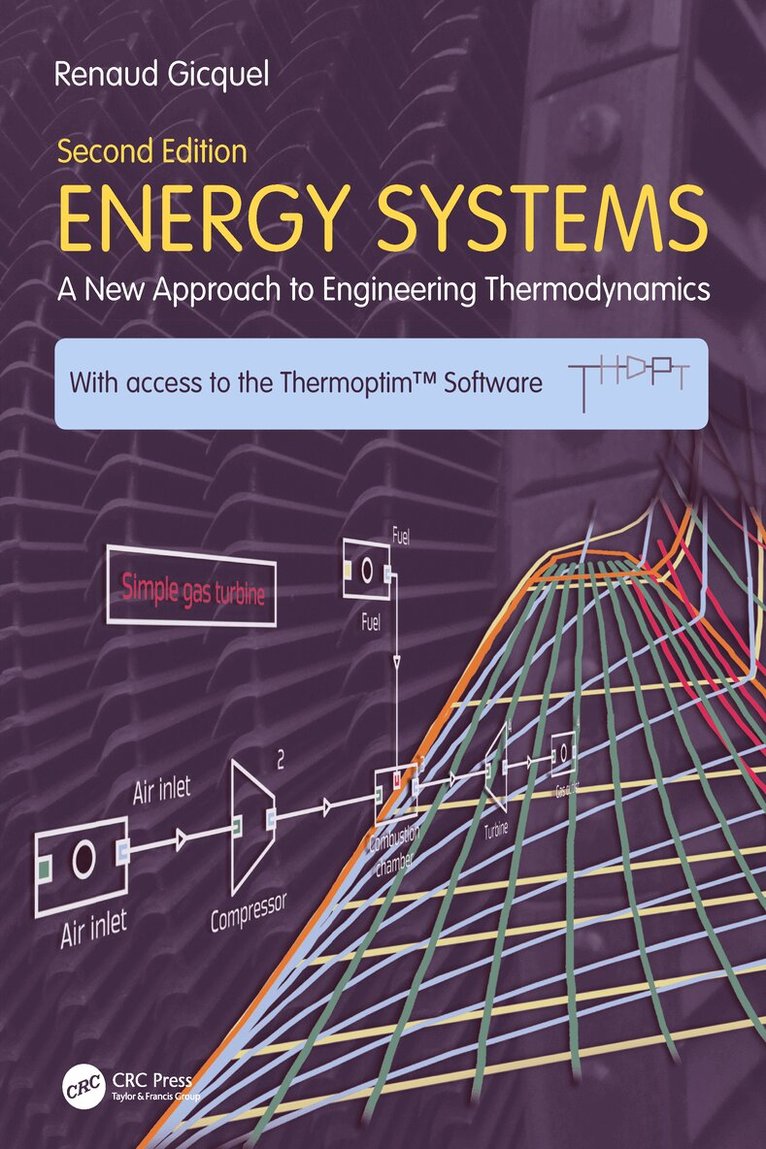
Considered as particularly difficult by generations of students and engineers, thermodynamics applied to energy systems can now be taught with an original instruction method. Energy Systems applies a completely different approach to the calculation, application and theory of multiple energy conversion technologies. It aims to create the reader’s foundation for understanding and applying the design principles to all kinds of energy cycles, including renewable energy. Proven to be simpler and more reflective than existing methods, it deals with energy system modeling, instead of the thermodynamic foundations, as the primary objective. Although its style is drastically different from other textbooks, no concession is made to coverage: with encouraging pace, the complete range from basic thermodynamics to the most advanced energy systems is addressed.The accompanying Thermoptim™ portal (http://thermoptim.org) presents the software and manuals (in English and French) to solve over 200 examples, and programming and design tools for exercises of all levels of complexity. The portal explains to the user how to build appropriate models to bridge the technological reality with the theoretical basis of energy engineering. Offering quick overviews through e-learning modules moreover, the portal is user-friendly and enables users to quickly improve their proficiency. Students can freely download the Thermoptim modeling software demo version (available in seven languages), and extended options are available to lecturers. A professional edition is also available and has been adopted by many companies and research institutes worldwide (www.s4e2.com).This volume is intended as a textbook for courses in applied thermodynamics, energy systems, energy conversion and thermal engineering taken by senior undergraduate and graduate-level students in mechanical, energy, chemical and petroleum engineering. Students should already have taken a first-year course in thermodynamics. The refreshing approach and exceptionally rich coverage make it a great reference tool for researchers and professionals as well.
- Nyhet

1 750 kr
Kommande
Advanced Modeling of Thermodynamic Energy Components and Systems presents intermediate‑complexity models for energy system components. It addresses a critical gap in studying energy systems under off‑design conditions, examining how systems behave when ambient temperature or load conditions change.Using Thermoptim software’s systemic approach, which graphically links component icons and encapsulates equations within modules, this book focuses on cycle architecture and component interactions rather than equation manipulation. It demonstrates how component technologies (dynamic versus positive displacement compressors, various heat exchanger types) fundamentally affect system behavior and provides tools to model these distinctions accurately.This book equips mechanical and energy engineering researchers, professionals and graduate students with methods bridging technological characteristics and thermodynamic models.
- Nyhet

1 750 kr
Kommande
Advanced Modeling of Thermodynamic Cycles of Nuclear Power Plants offers a comprehensive resource on Thermodynamic Cycles of Nuclear Power Plants (TCNPPs) modeling and provides detailed studies of TCNPPs for current and emerging reactors, including Small Modular Reactors.After covering reactor physics and operating principles, this book examines water‑steam cycles using advanced tools like the pinch method and exergy balances to optimize performance. Subsequent chapters cover gas turbine and supercritical CO2 cycles, combined cycles, and nuclear applications, including desalination, hydrogen production, and cogeneration installations achieving superior efficiencies. Using Thermoptim software’s systemic modeling approach, readers can accurately represent nuclear energy system peculiarities.This book will benefit mechanical, nuclear, and energy engineering researchers, professionals and graduate students in the fields of applied thermodynamics, nuclear power plants, and energy systems.
1 562 kr
Skickas inom 10-15 vardagar
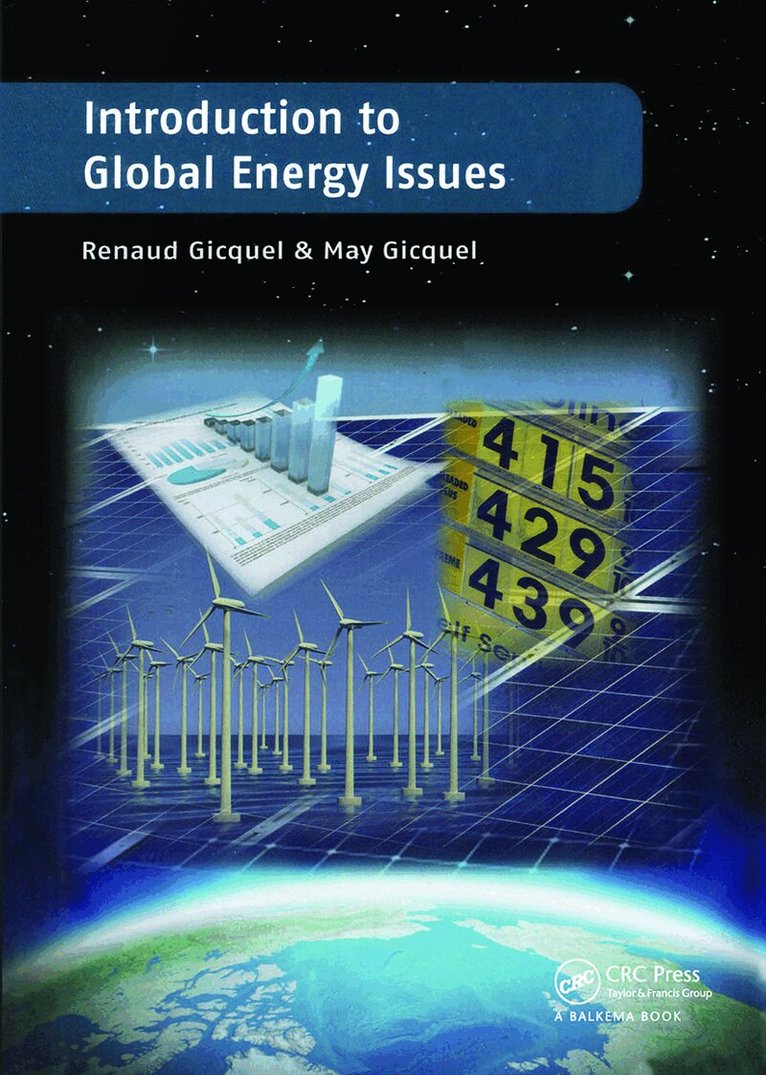
This book seeks to provide a basis for reflection on energy at a global level. It synthesizes the main energy-related issues and requires no specialist knowledge, either of economics, engineering sciences or international relations. It comprises four main chapters, that discuss the major energy sectors (oil, natural gas, coal, synthetic hydrocarbons, electricity, renewable energy), the impacts of energy at macro-economic level, geopolitics and new issues related to energy, notably environmental aspects and successes of demand management policies. The book is aimed at industry professionals, (under)graduate students / academics, economists and policy-makers in the energy sector/field.