René W.H. van der Linden – författare
Visar alla böcker från författaren René W.H. van der Linden. Handla med fri frakt och snabb leverans.
6 produkter
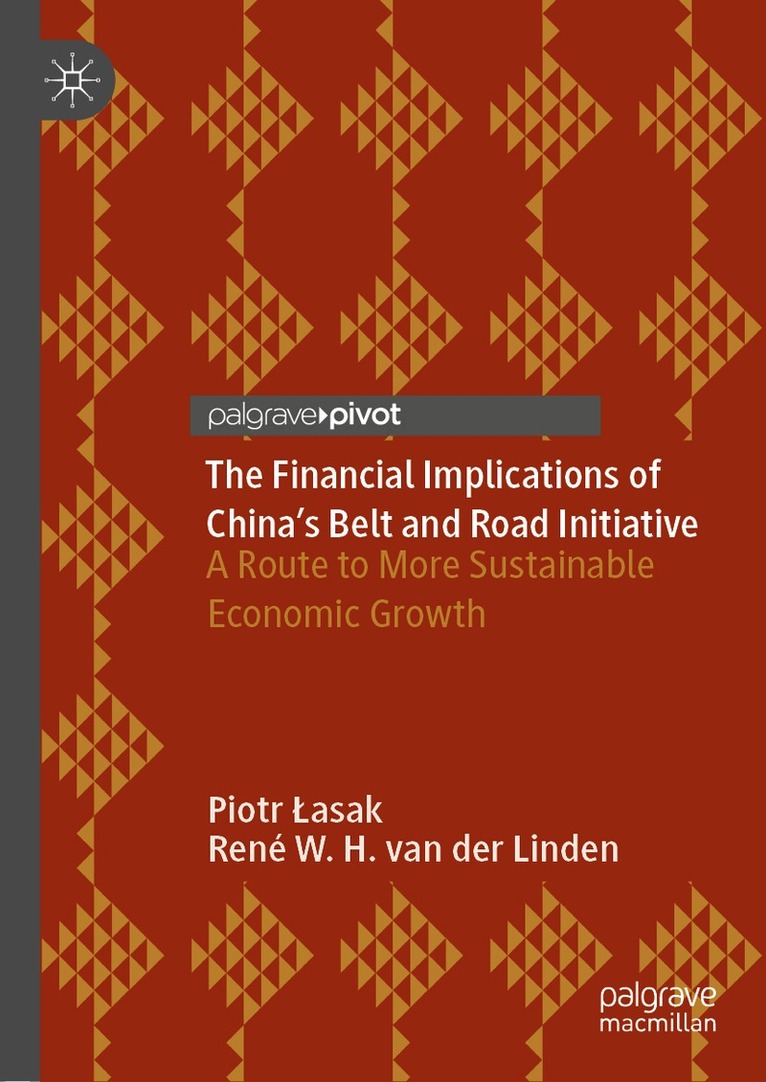
Financial Implications of China’s Belt and Road Initiative
A Route to More Sustainable Economic Growth
Av Piotr Łasak, René W.H. van der Linden
Inbunden, 2019
664 kr
Lägg i varukorg
This book systematically discusses the contribution of the Belt and Road Initiative (BRI) to China’s transition from an emerging to an advanced economic and financial system after more than five years. From a historical perspective, it explains to what extent the BRI plan is effective enough to …
Financial Implications of China's Belt and Road Initiative
A Route to More Sustainable Economic Growth
Av Rene W.H. van der Linden, Piotr Lasak
E-bok, 2019
877 kr
Lägg i varukorg
This book systematically discusses the contribution of the Belt and Road Initiative (BRI) to China’s transition from an emerging to an advanced economic and financial system after more than five years. From a historical perspective, it explains to what extent the BRI plan is effective enough to …
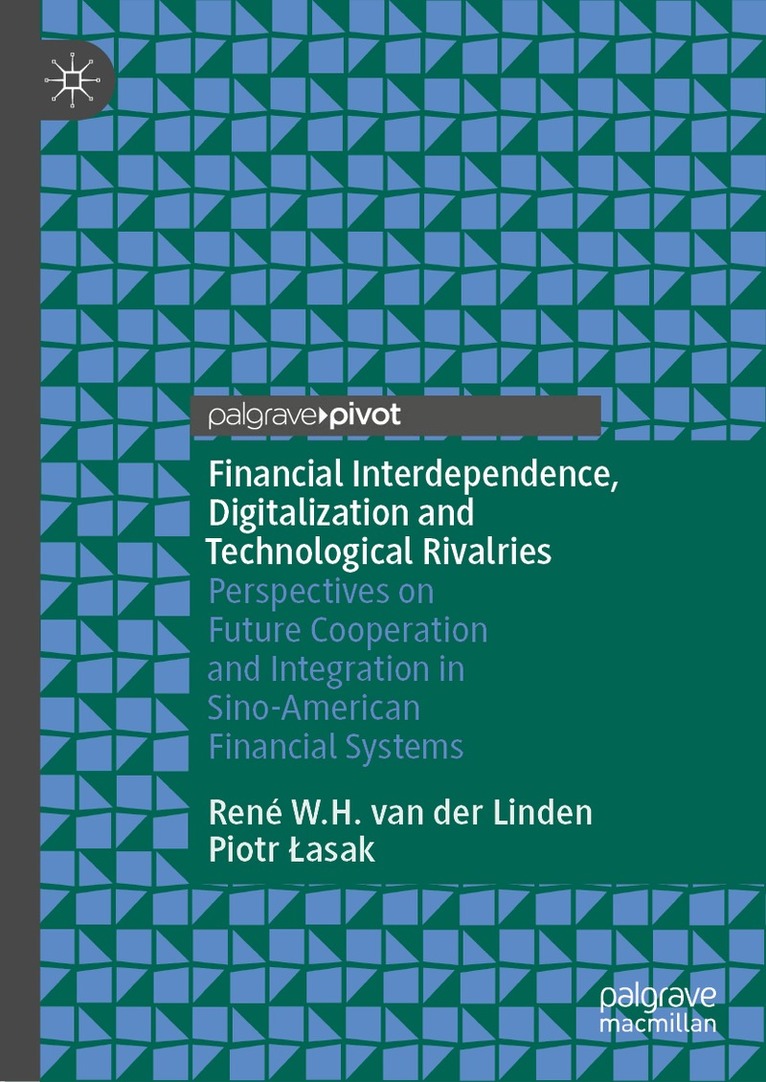
Financial Interdependence, Digitalization and Technological Rivalries
Perspectives on Future Cooperation and Integration in Sino-American Financial Systems
Av René W.H. van der Linden, Piotr Łasak
Inbunden, 2023
515 kr
Lägg i varukorg
This Palgrave Pivot investigates how the Chinese and United States financial systems are becoming increasingly interdependent, in spite of a simultaneous technological rivalry and ‘decoupling’ between the two nations.The book offers a comparative analysis of Sino-US financial systems before and …
Financial Interdependence, Digitalization and Technological Rivalries
Perspectives on Future Cooperation and Integration in Sino-American Financial Systems
Av Piotr Lasak, Rene W.H. van der Linden
E-bok, 2023
650 kr
Lägg i varukorg
This Palgrave Pivot investigates how the Chinese and United States financial systems are becoming increasingly interdependent, in spite of a simultaneous technological rivalry and ‘decoupling’ between the two nations. The book offers a comparative analysis of Sino-US financial systems before and …
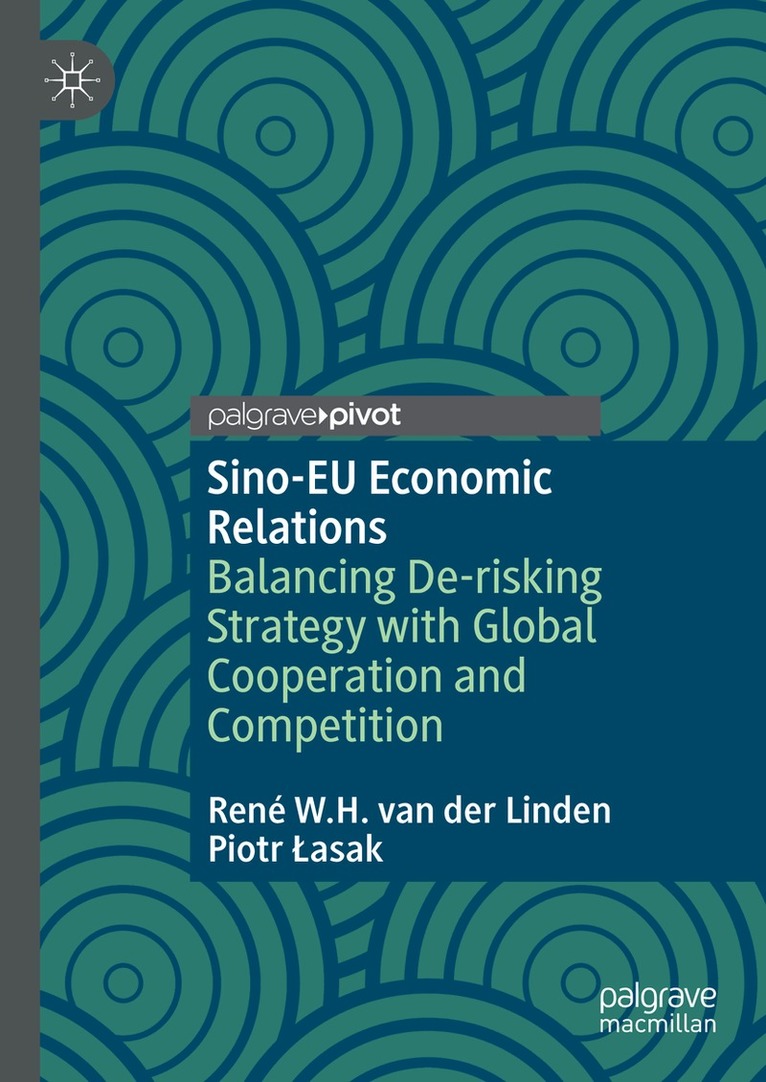
Sino-EU Economic Relations
Balancing De-risking Strategy with Global Cooperation and Competition
Av René W.H. van der Linden, Piotr Łasak
Inbunden, 2024
515 kr
Lägg i varukorg
This Palgrave Pivot book analyses the current state of economic and financial relations between China and the European Union. It illustrates the ‘de-risking’ strategy that informs much of financial policy between China and the EU and argues that this differs from the policy of ‘decoupling’ that …
Sino-EU Economic Relations
Balancing De-risking Strategy with Global Cooperation and Competition
Av Piotr Lasak, Rene W.H. van der Linden
E-bok, 2024
672 kr
Lägg i varukorg
This Palgrave Pivot book analyses the current state of economic and financial relations between China and the European Union. It illustrates the ‘de-risking’ strategy that informs much of financial policy between China and the EU and argues that this differs from the policy of ‘decoupling’ that …