Renée J. Mitchell - Böcker
Visar alla böcker från författaren Renée J. Mitchell. Handla med fri frakt och snabb leverans.
4 produkter
4 produkter
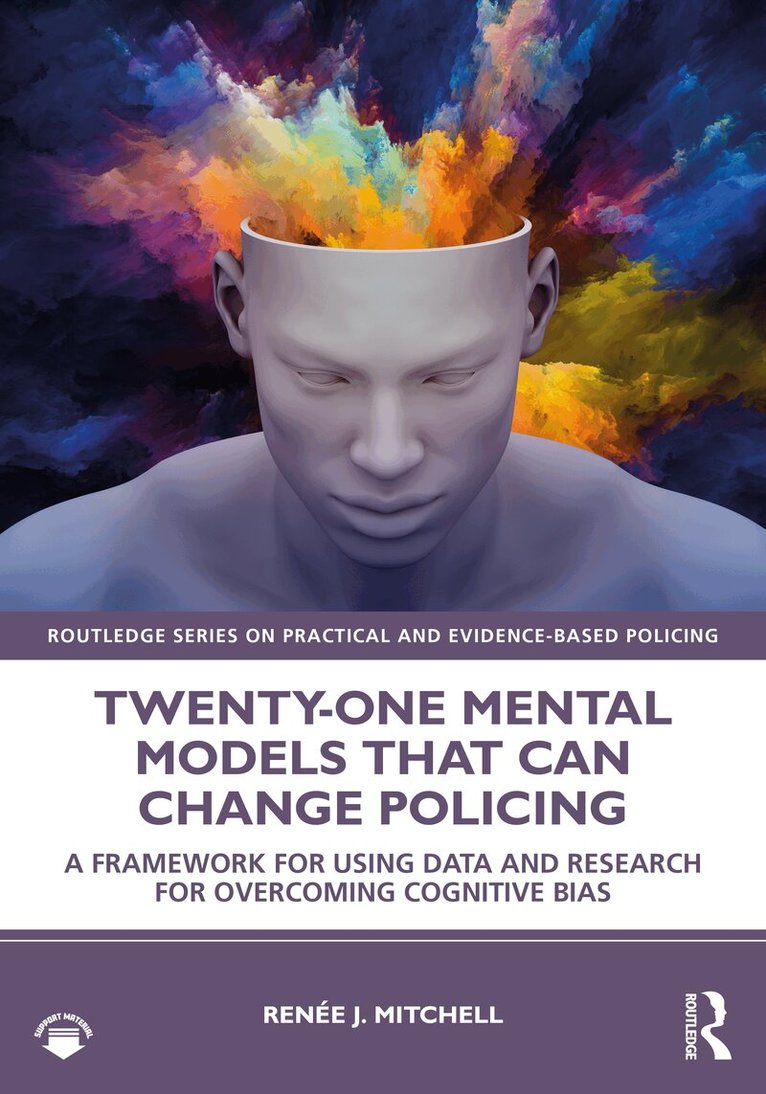
Twenty-one Mental Models That Can Change Policing
A Framework for Using Data and Research for Overcoming Cognitive Bias
Häftad, Engelska, 2021
493 kr
Skickas inom 10-15 vardagar
This book goes beyond other police leadership books to teach practitioners how to think about policing in a structured way that synthesizes criminological theory, statistics, research design, applied research, and what works and what doesn’t in policing into Mental Models. A Mental Model is a representation of how something works. Using a Mental Model framework to simplify complex concepts, readers will take away an in-depth understanding of how cognitive biases affect our ability to understand and interpret data, what empirical research says about effective police interventions, how statistical data should be structured for management meetings, and how to evaluate interventions for efficiency and effectiveness. While evidence-based practice is critical to advancing the police profession, it is limited in scope, and is only part of what is necessary to support sustainable change in policing. Policing requires a scientifically based framework to understand and interpret data in a way that minimizes cognitive bias to allow for better responses to complex problems. Data and research have advanced so rapidly in the last several decades that it is difficult for even the most ambitious of police leaders to keep pace. The Twenty-one Mental Models were synthesized to create a framework for any police, public, or community leader to better understand how cognitive bias contributes to misunderstanding data and gives the reader the tools to overcome those biases to better serve their communities.The book is intended for a wide range of audiences, including law enforcement and community leaders; scholars and policy experts who specialize in policing; students of criminal justice, organizations, and management; reporters and journalists; individuals who aspire to police careers; and citizen consumers of information about policing. Anyone who is going to make decisions about their communities based on data has a responsibility to be numerate and this book Twenty-one Mental Models That Can Change Policing: A Framework For Using Data and Research For Overcoming Cognitive Bias, will help you become just that.
Twenty-one Mental Models That Can Change Policing
A Framework for Using Data and Research for Overcoming Cognitive Bias
Inbunden, Engelska, 2021
1 897 kr
Skickas inom 10-15 vardagar
This book goes beyond other police leadership books to teach practitioners how to think about policing in a structured way that synthesizes criminological theory, statistics, research design, applied research, and what works and what doesn’t in policing into Mental Models. A Mental Model is a representation of how something works. Using a Mental Model framework to simplify complex concepts, readers will take away an in-depth understanding of how cognitive biases affect our ability to understand and interpret data, what empirical research says about effective police interventions, how statistical data should be structured for management meetings, and how to evaluate interventions for efficiency and effectiveness. While evidence-based practice is critical to advancing the police profession, it is limited in scope, and is only part of what is necessary to support sustainable change in policing. Policing requires a scientifically based framework to understand and interpret data in a way that minimizes cognitive bias to allow for better responses to complex problems. Data and research have advanced so rapidly in the last several decades that it is difficult for even the most ambitious of police leaders to keep pace. The Twenty-one Mental Models were synthesized to create a framework for any police, public, or community leader to better understand how cognitive bias contributes to misunderstanding data and gives the reader the tools to overcome those biases to better serve their communities.The book is intended for a wide range of audiences, including law enforcement and community leaders; scholars and policy experts who specialize in policing; students of criminal justice, organizations, and management; reporters and journalists; individuals who aspire to police careers; and citizen consumers of information about policing. Anyone who is going to make decisions about their communities based on data has a responsibility to be numerate and this book Twenty-one Mental Models That Can Change Policing: A Framework For Using Data and Research For Overcoming Cognitive Bias, will help you become just that.
399 kr
Skickas inom 7-10 vardagar
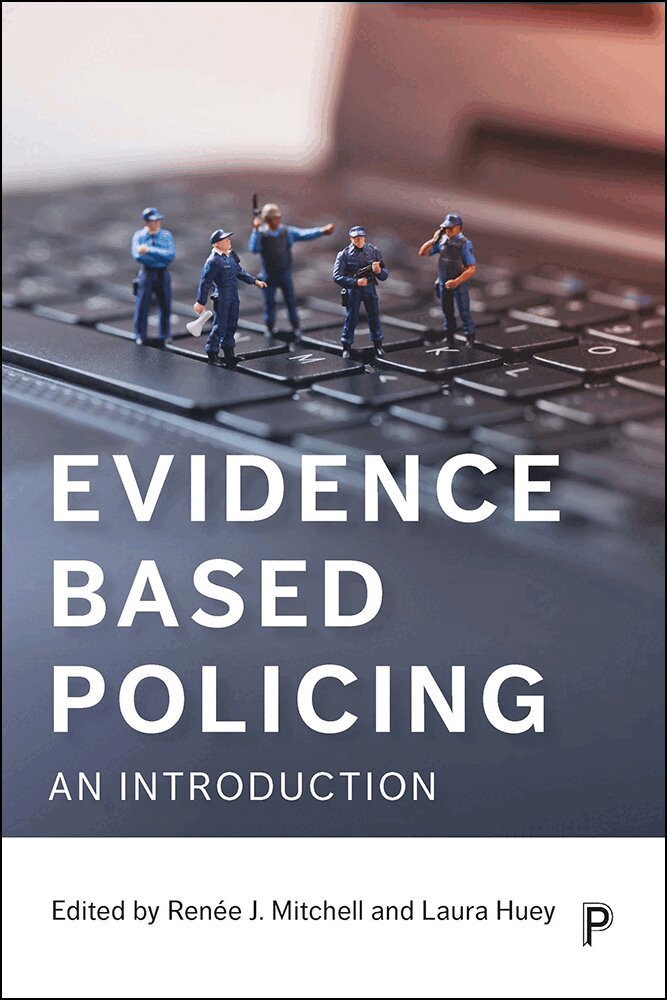
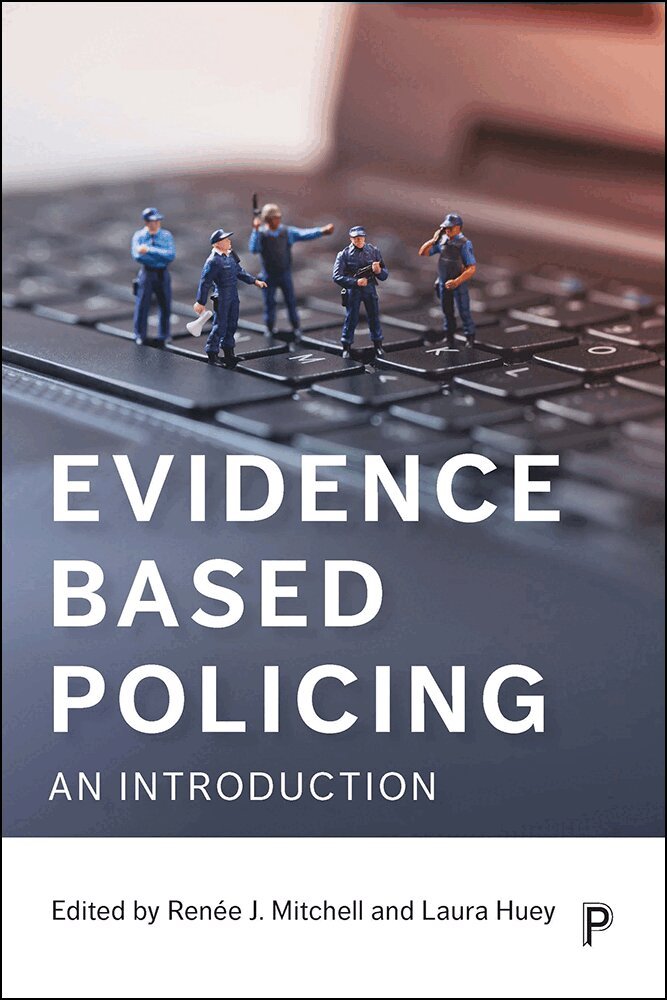
Over the past ten years, the field of evidence-based policing (EBP) has grown substantially, evolving from a novel idea at the fringes of policing to an increasingly core component of contemporary policing research and practice.Examining what makes something evidence-based and not merely evidence-informed, this book unifies the voices of police practitioners, academics, and pracademics. It provides real world examples of evidence-based police practices and how police research can be created and applied in the field.Includes contributions from leading international EBP researchers and practitioners such as Larry Sherman, University of Cambridge, Lorraine Mazerrolle, University of Queensland, Anthony Braga, Northeastern and Craig Bennell, Carelton University.
1 184 kr
Skickas inom 7-10 vardagar
Over the past ten years, the field of evidence-based policing (EBP) has grown substantially, evolving from a novel idea at the fringes of policing to an increasingly core component of contemporary policing research and practice.Examining what makes something evidence-based and not merely evidence-informed, this book unifies the voices of police practitioners, academics, and pracademics. It provides real world examples of evidence-based police practices and how police research can be created and applied in the field.Includes contributions from leading international EBP researchers and practitioners such as Larry Sherman, University of Cambridge, Lorraine Mazerrolle, University of Queensland, Anthony Braga, Northeastern and Craig Bennell, Carelton University.